

Fleet Vehicle Transport
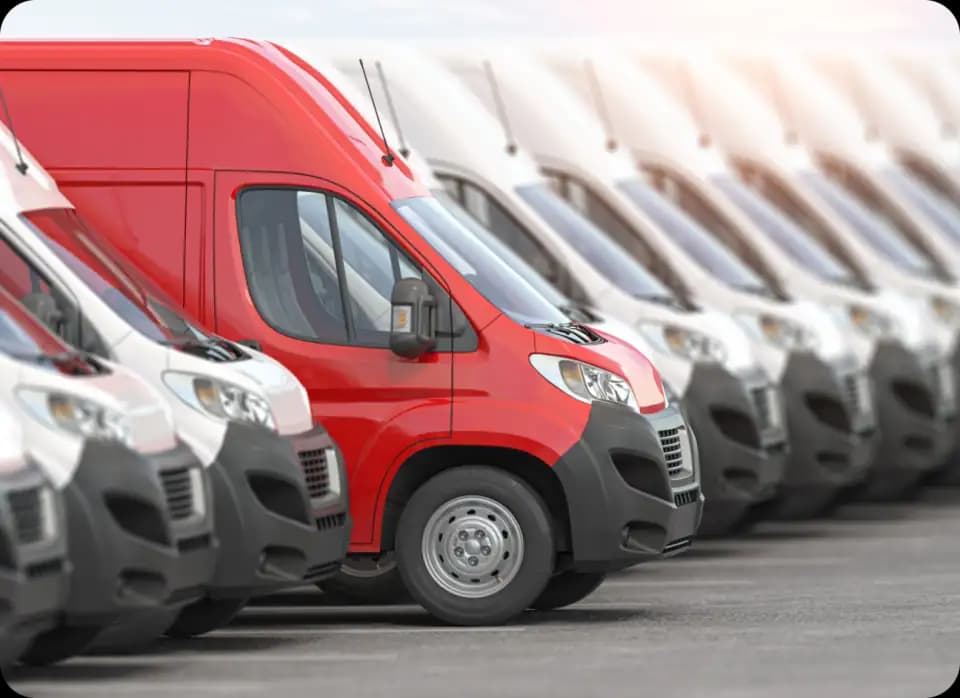
Businesses operating vehicle fleets rely on transport services to support deployment, redistribution, replacement, and expansion across regions. Fleet vehicle transport involves moving multiple vehicles as operational assets rather than individual units.Fleet transport focuses on coordination, scheduling control, and repeatable execution that aligns with ongoing business operations.

Why Businesses Ship Fleet Vehicles
Fleet vehicles are moved to support new locations, replace aging units, rebalance regional capacity, or respond to operational demand. Driving vehicles internally requires staff time, adds mileage, and slows deployment.Auto transport allows fleets to move vehicles efficiently while keeping teams focused on core operations.
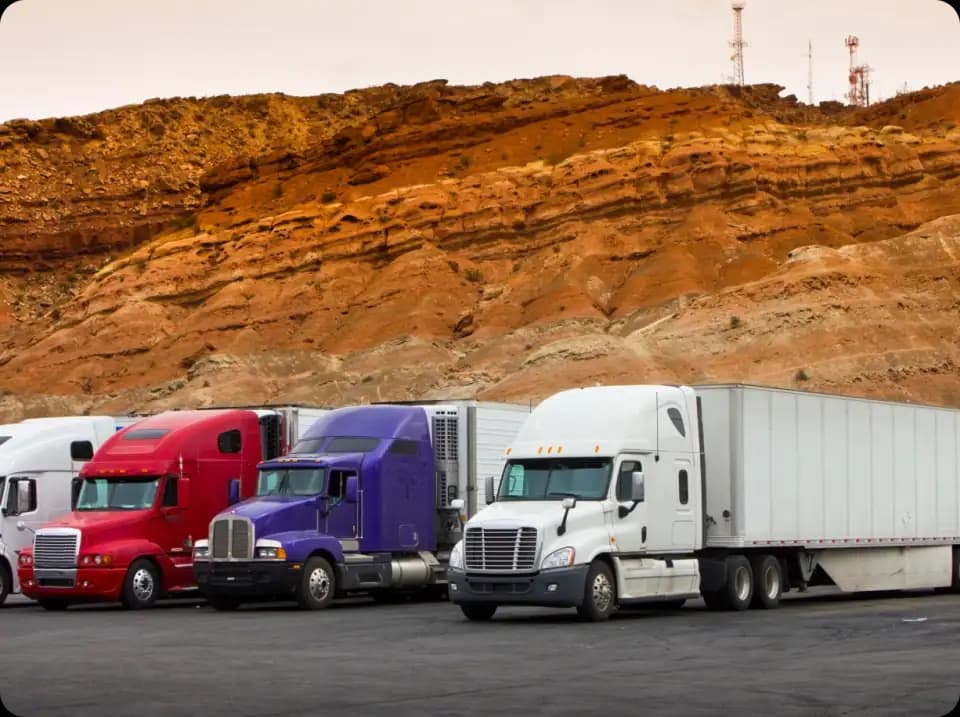
Common Fleet Transport
Scenarios
Fleet vehicle transport is used across a range of operational scenarios tied to growth, maintenance, and service coverage.
New Location Deployment
Shipping fleet vehicles to support business expansion or new service areas.
Fleet Rebalancing
Redistributing vehicles between regions based on demand changes.
Vehicle Replacement Cycles
Transporting new vehicles into service and moving older units out of rotation.
Seasonal or Project-Based Needs
Relocating fleet vehicles for temporary contracts or seasonal operations.
Volume and Scheduling
Considerations
Fleet transport often involves moving multiple vehicles at once or across recurring schedules. Volumes may change based on operational priorities or project timelines.Scheduling focuses on coordinating pickup windows, delivery sequencing, and route efficiency to minimize disruption.
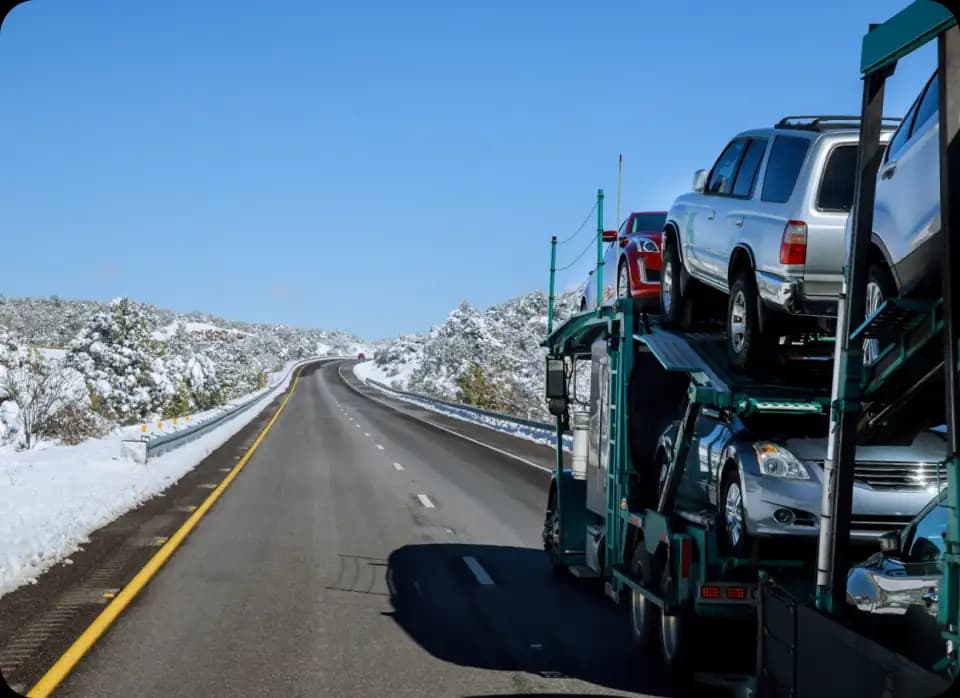
Pickup and Delivery Considerations
Fleet vehicle pickups commonly occur at corporate facilities, service yards, storage lots, or vendor locations. Delivery may involve branch locations, job sites, or staging areas.Clear coordination around access requirements, operating hours, and handoff procedures supports smooth execution.


Vehicle Types Commonly Shipped in Fleets
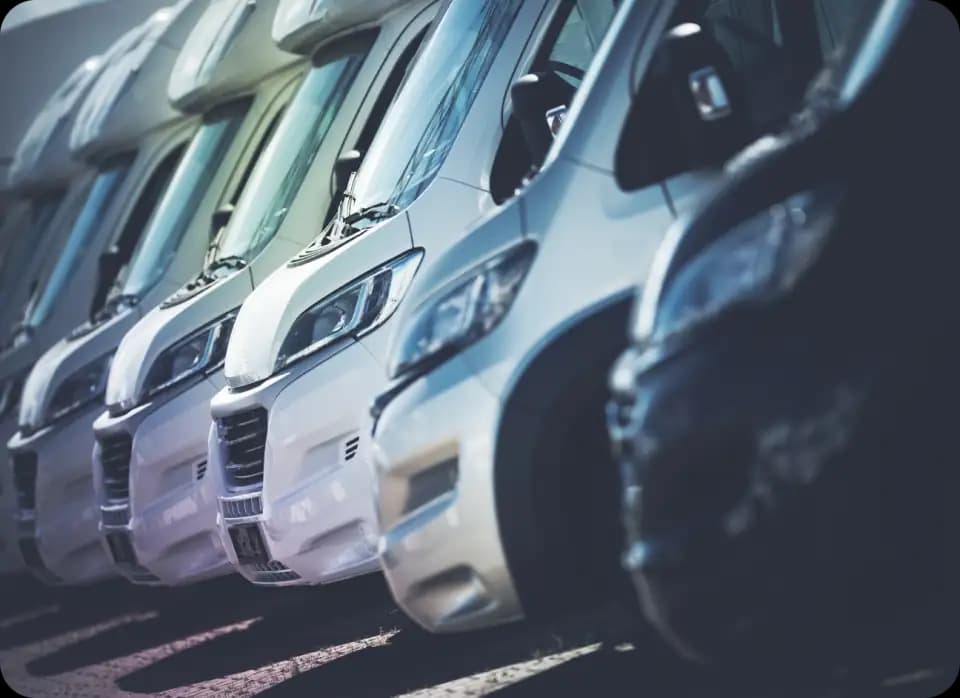
Fleet shipments include passenger vehicles, service vans, pickup trucks, and light commercial units. Vehicle specifications may vary based on industry and operational use.Vehicle size, condition, and configuration are reviewed during scheduling to ensure appropriate carrier assignment.
Transport Services Used for Fleet Vehicle Shipping
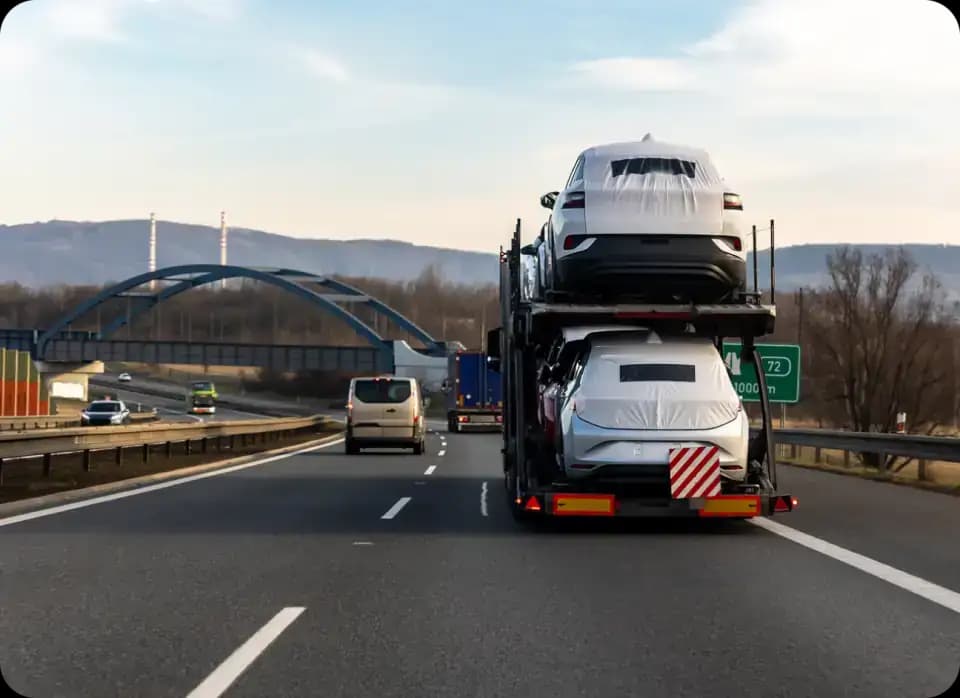
Open auto transport is commonly used for fleet shipments due to capacity and efficiency. Multi-vehicle transport supports batch moves and recurring routes.Inoperable vehicle transport may be required for damaged or out-of-service units. Long-distance transport supports regional and national fleet operations.
How Avorix Auto Transport Supports Fleet Operations
Avorix Auto Transport coordinates fleet vehicle shipments by aligning volume requirements with carrier capacity and route availability. Each shipment is planned around operational timelines, access constraints, and delivery priorities.The focus is on consistency, coordination, and scalability rather than one-off dispatching.
How Fleet Vehicle Transport Differs from Other Business Shipping
Fleet transport emphasizes repeatability and operational integration rather than transactional movement. Vehicles are often shipped in groups and tied to broader deployment plans.This requires planning that supports predictable execution and minimal downtime across fleet operations.
Related Business Transport Services
Fleet vehicle transport often overlaps with other commercial shipping needs.
Corporate Relocation Auto Transport
Corporate Relocation Auto Transport
Rental Car Company Transport
Rental Car Company Transport
Dealership Auto Transport
Dealership Auto Transport
Frequently
Asked Questions
Is fleet vehicle transport available nationwide?
Is fleet vehicle transport available nationwide?
Can multiple fleet vehicles be shipped together?
Can multiple fleet vehicles be shipped together?
Is fleet transport suitable for recurring routes?
Is fleet transport suitable for recurring routes?
Can damaged or non-running fleet vehicles be shipped?
Can damaged or non-running fleet vehicles be shipped?
Do fleets use open or enclosed transport?
Do fleets use open or enclosed transport?
Can fleet shipments be scaled over time?
Can fleet shipments be scaled over time?


Managing fleet vehicle movement?Get a clear, upfront quote based on volume, routing, and scheduling requirements.