

Lease Return Auto Transport
Vehicles reaching the end of a lease term must be moved quickly and accurately to inspection, processing, or remarketing locations. These shipments are driven by contractual timelines, return conditions, and downstream resale workflows rather than customer convenience.Lease return auto transport focuses on coordination, timing accuracy, and controlled execution to support efficient lease closeout.

Why Lease Return Vehicles Require Transport
End-of-lease vehicles are often returned to locations that differ from their next destination. Driving vehicles internally adds mileage, labor cost, and delays processing.Using auto transport allows lease returns to move efficiently while preserving vehicle condition and meeting contractual timelines.

Common Lease Return
Transport Scenarios
Lease return auto transport is used across several operational scenarios tied to vehicle lifecycle management.
Inspection and Processing Centers
Transporting vehicles to inspection facilities for condition assessment and documentation.
Remarketing and Resale
Moving off-lease vehicles to auctions, dealers, or resale channels.
Fleet and Captive Returns
Coordinating large volumes of lease-end vehicles tied to fleet or captive programs.
Geographic Redistribution
Relocating vehicles to markets aligned with resale demand.
Timing and Compliance
Considerations
Lease return transport is closely tied to contract deadlines and return conditions. Delays can impact fees, depreciation, and remarketing timelines.Accurate scheduling and documentation help ensure vehicles move on time and remain compliant with lease terms.
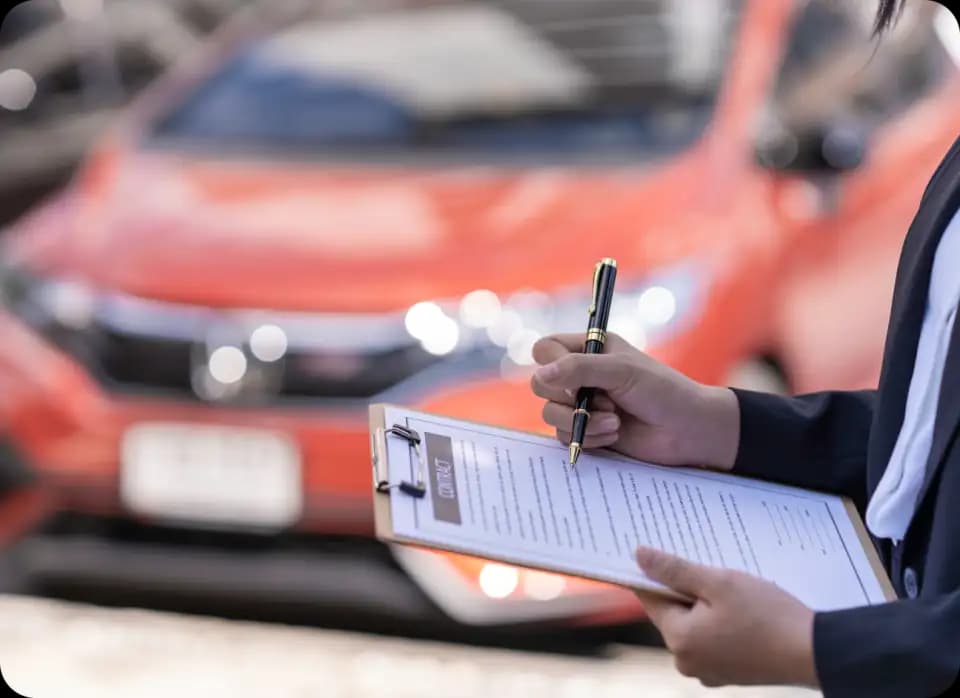
Pickup and Delivery Considerations
Pickups may occur at lessee locations, dealership return points, or designated drop-off facilities. Deliveries typically involve inspection centers, storage yards, or auction facilities.Clear coordination around release authorization and access procedures supports efficient handoff.
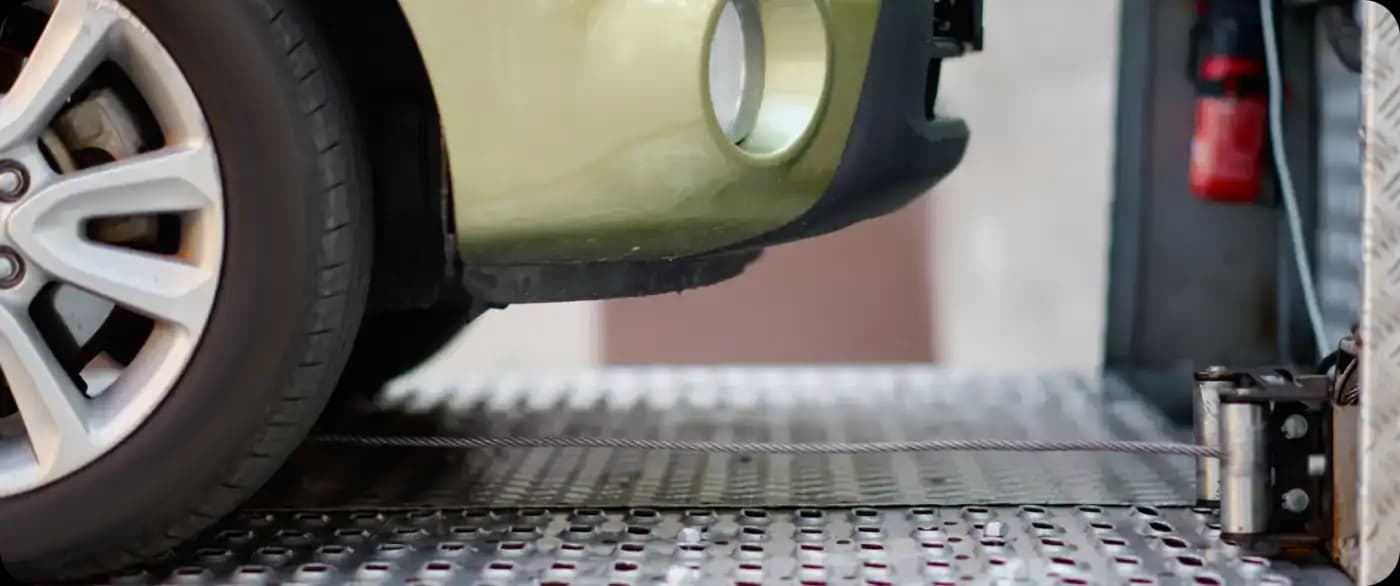
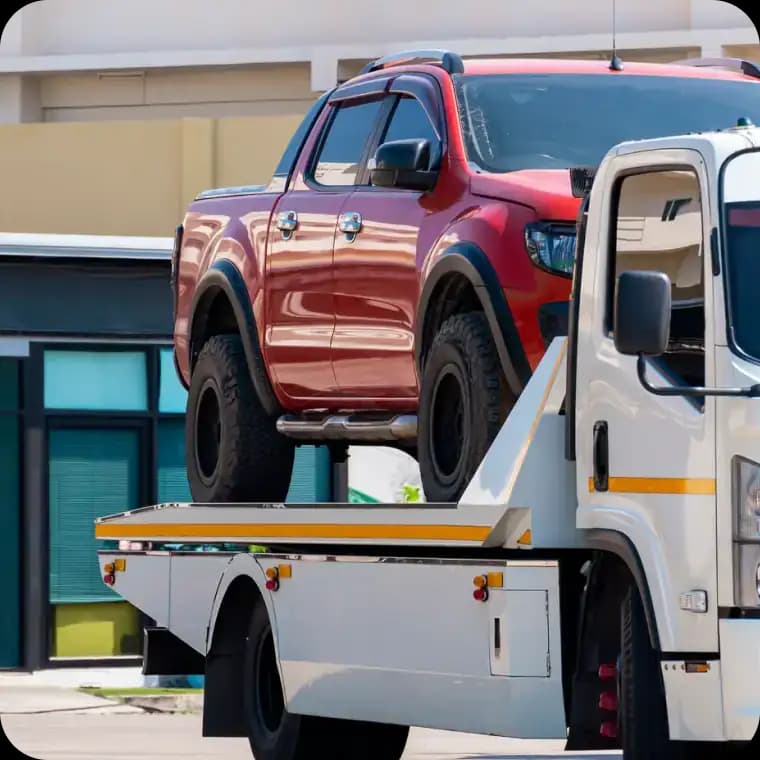
Vehicles Commonly Shipped as Lease Returns
Lease return shipments include standard passenger vehicles, SUVs, and light commercial units. Vehicle condition may vary depending on usage and maintenance history.Vehicle details are reviewed during scheduling to ensure proper carrier assignment and handling.
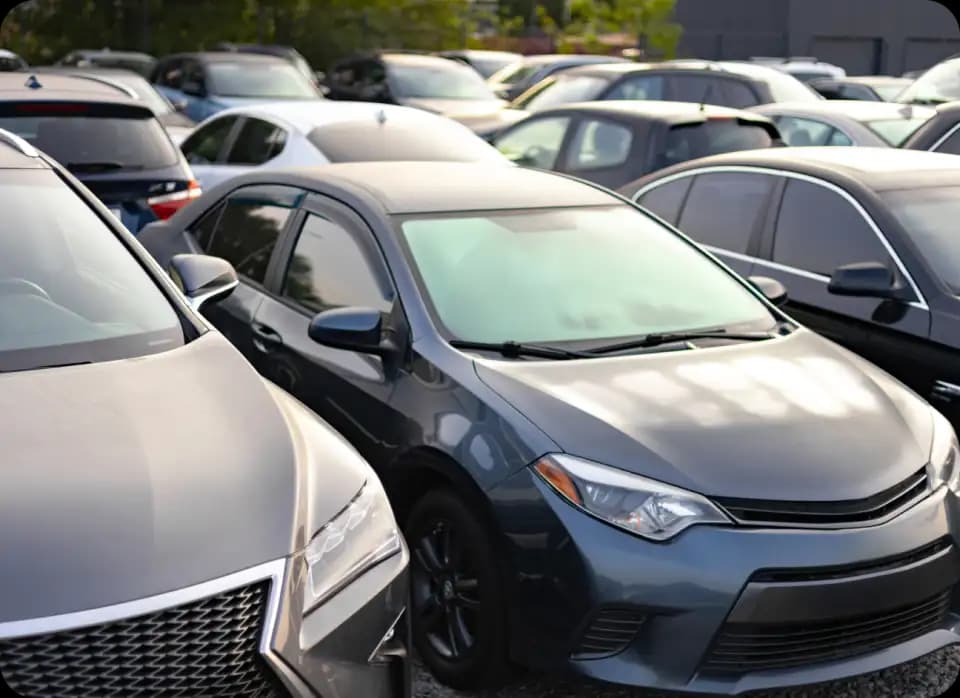
Transport Services Used for Lease Returns
Open auto transport is most commonly used due to availability and efficiency. Multi-vehicle transport supports batch returns tied to lease cycles.Inoperable vehicle transport may be required for damaged or non-running units identified at lease end.
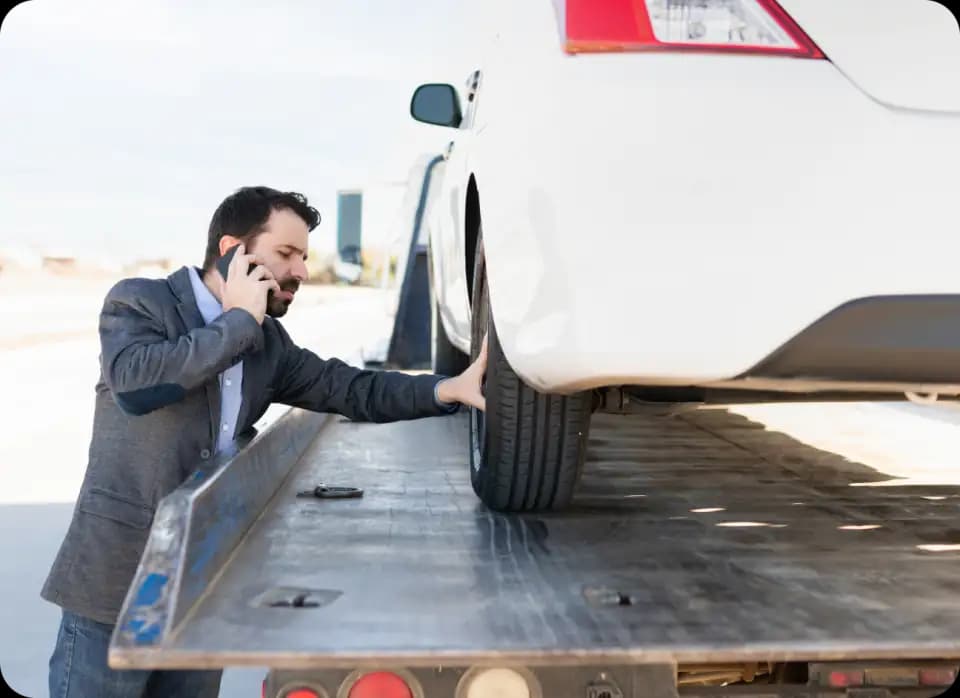
How Avorix Auto Transport Supports Lease Return Operations
Avorix Auto Transport coordinates lease return shipments by aligning return deadlines with carrier availability and route demand. Each shipment is planned around release timing, access requirements, and processing priorities.The focus remains on consistency, communication, and execution rather than transactional dispatching.
How Lease Return Transport Differs from Other Business Shipping
Lease return transport is governed by contractual obligations rather than inventory sourcing or deployment needs. Timing accuracy and compliance are critical to avoiding downstream cost impact.This requires transport planning that emphasizes deadlines, documentation, and predictable execution.

Related Business Transport Services
Lease return auto transport often overlaps with other commercial vehicle shipping needs.
Rental Car Company Transport
Rental Car Company Transport
Auto Auction Transport
Auto Auction Transport
Financial Institutions Auto Transport
Financial Institutions Auto Transport
Frequently
Asked Questions
Is lease return auto transport available nationwide?
Is lease return auto transport available nationwide?
Can multiple lease return vehicles be shipped together?
Can multiple lease return vehicles be shipped together?
Is transport used before or after inspection?
Is transport used before or after inspection?
Can damaged lease return vehicles be shipped?
Can damaged lease return vehicles be shipped?
Is open auto transport suitable for lease returns?
Is open auto transport suitable for lease returns?
Can transport support large lease portfolios?
Can transport support large lease portfolios?


Managing end-of-lease vehicle returns?Get a clear, upfront quote based on volume, timelines, and processing locations.