

Auto Auction Transport
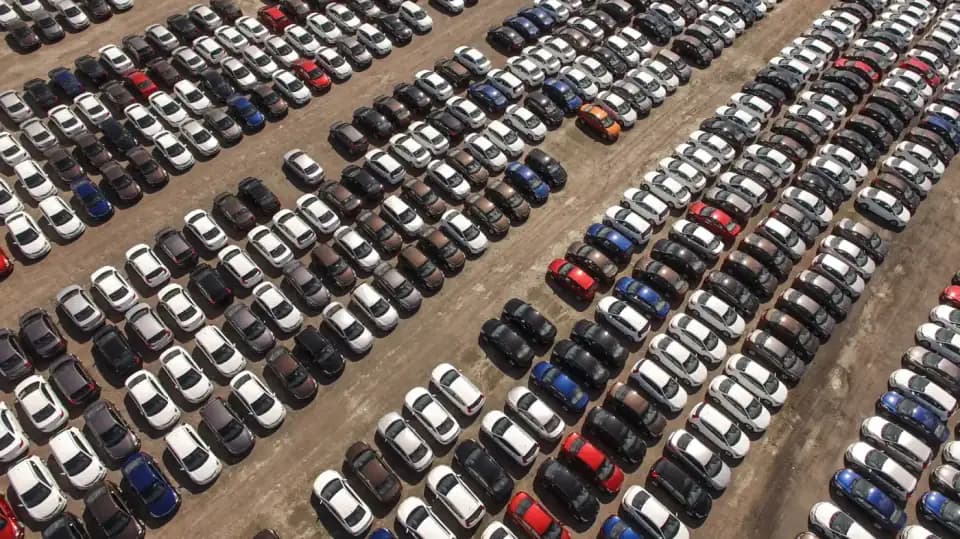
Auto auctions rely on vehicle transport to support buying, selling, and inventory movement across regional and national markets. These shipments are driven by release timing, auction schedules, and post-sale logistics rather than individual delivery preferences.Auto auction transport focuses on coordinating pickup and delivery in a way that aligns with auction operations and downstream vehicle flow.

Why Businesses Use Auto Auction Transport
Dealers, wholesalers, fleet operators, and financial institutions move vehicles through auctions as part of inventory sourcing and remarketing strategies. Driving vehicles internally adds time, mileage, and operational burden.Using auto transport allows auction participants to move vehicles efficiently while maintaining predictable timelines tied to auction events.

Common Auto Auction Transport Scenarios
Auto auction transport is used across several operational scenarios tied to pre-sale and post-sale activity.
Post-Sale TransportPre-Auction Vehicle Delivery
Pre-Auction Vehicle Delivery
Post-Sale TransportPost-Sale Buyer Pickup
Post-Sale Buyer Pickup
Digital Sales SupportOnline Auction Transactions
Online Auction Transactions
Inventory Flow ManagementRemarketing and Redistribution
Remarketing and Redistribution
Timing and Release Coordination
Auction vehicle transport depends heavily on release timing, lot availability, and documentation readiness. Vehicles cannot be picked up until auctions authorize release following sale or consignment processing.Accurate release information helps avoid delays and ensures carriers arrive when vehicles are available for pickup.

Pickup and Delivery at Auction
Facilities
Vehicle pickups commonly occur at auction yards, off-site storage lots, or affiliated facilities. These locations often operate under specific hours and access procedures that must be followed.Delivery may involve dealership lots, storage facilities, transport hubs, or customer locations depending on the transaction.
Volume and Scheduling
Considerations
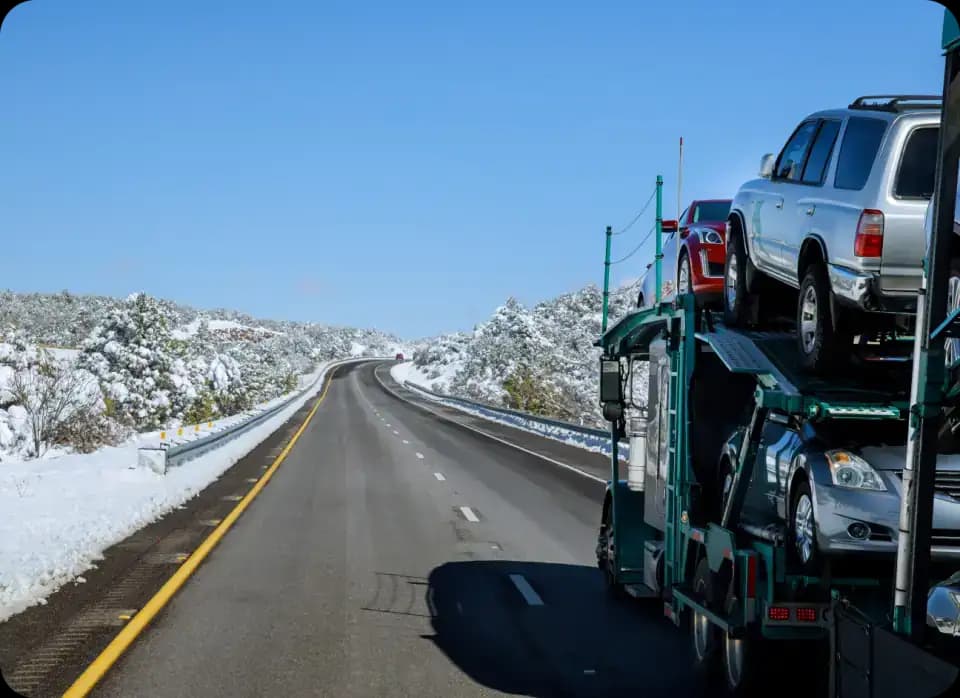
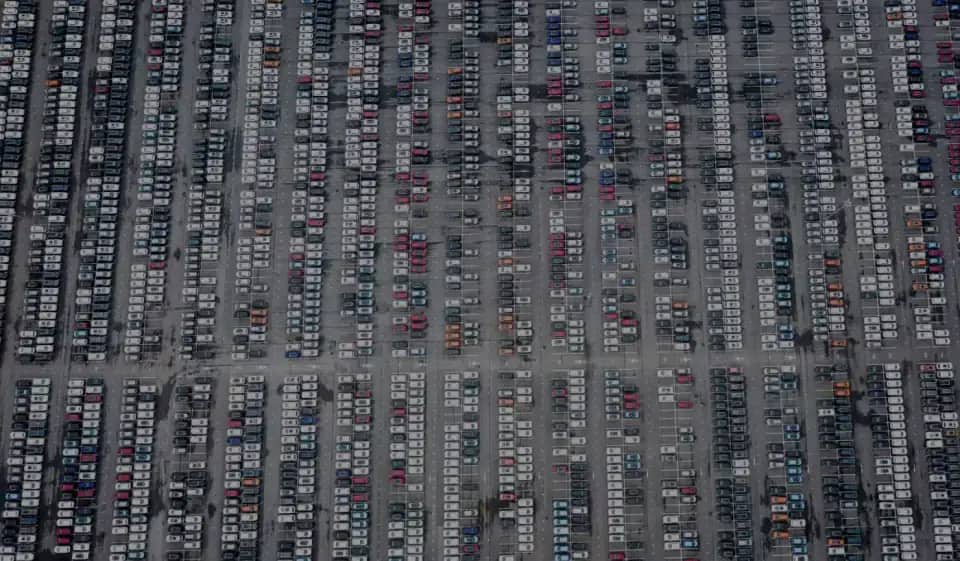
Auction transport often involves multiple vehicles moving within short timeframes, especially following major auction events. Volume may fluctuate based on market conditions and buying activity.Transport planning must remain flexible to accommodate batch releases, staggered pickups, and route availability.
Vehicles Commonly Shipped Through Auctions
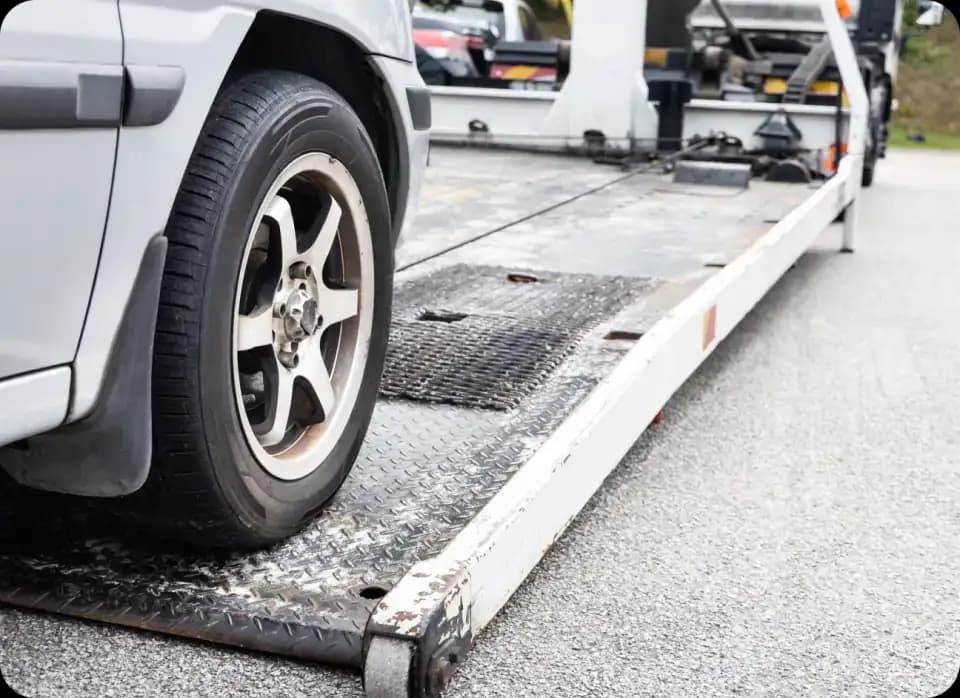
Auction shipments include new, used, off-lease, fleet, and repossessed vehicles. Condition may vary, with some vehicles requiring additional handling due to damage or inoperability.Vehicle details are reviewed during scheduling to ensure proper equipment and carrier assignment.
Transport Services Used for Auto Auction Shipping
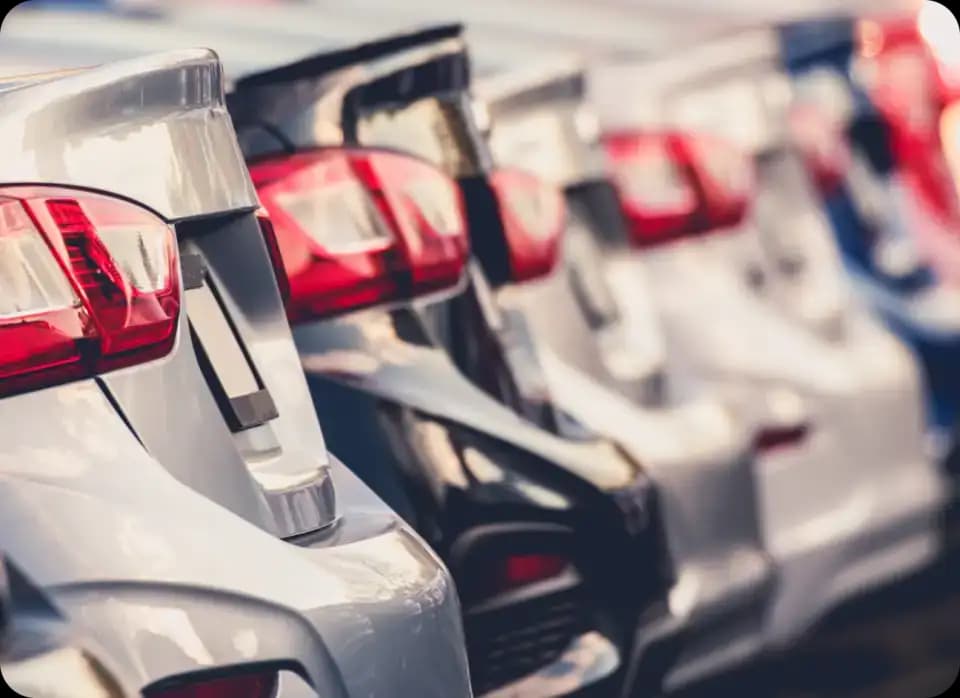
Open auto transport is the most common option for auction shipments due to volume efficiency and carrier availability. Multi-vehicle transport is frequently used for batch moves.Inoperable vehicle transport and specialty handling may be required for damaged or non-running units.
How Avorix Auto Transport Supports Auction Operations
Avorix Auto Transport coordinates auction vehicle shipments by aligning release timing, access requirements, and routing with carrier availability. Each shipment is planned based on auction schedules and post-sale delivery needs.The focus remains on coordination and execution rather than transactional dispatching.


How Auto Auction Transport Differs from Other Business Shipping
Auction transport is closely tied to fixed sale dates, release approvals, and facility procedures. Delays at any stage can affect downstream inventory movement.This requires transport planning that prioritizes timing accuracy and access coordination over flexible personal delivery preferences.
Related Business Transport
Services
Auto auction transport often overlaps with other commercial vehicle shipping needs.
Dealership Auto Transport
Inventory moves between store locations or directly to customers.
Car Resellers Auto Transport
Scalable shipping solutions for high-volume vehicle wholesalers and retailers.
Financial Institutions Auto Transport
Reliable logistics for repossession, lease returns, and asset recovery.
Frequently
Asked Questions
Can vehicles be shipped to and from auto auctions nationwide?
Can vehicles be shipped to and from auto auctions nationwide?
Do auctions need to authorize release before pickup?
Do auctions need to authorize release before pickup?
Can multiple auction vehicles be shipped together?
Can multiple auction vehicles be shipped together?
Are online auction purchases supported?
Are online auction purchases supported?
Can damaged or non-running auction vehicles be shipped?
Can damaged or non-running auction vehicles be shipped?
Is door-to-door delivery available after auction purchase?
Is door-to-door delivery available after auction purchase?


Shipping vehicles to or from an auto auction?Get a clear, upfront quote based on volume, release timing, and delivery requirements.