

OEM Auto Transport
Automotive manufacturers move vehicles as part of production output, distribution planning, and regional allocation. These shipments support dealer supply, staging operations, and downstream sales activity rather than individual delivery needs.OEM auto transport focuses on routing accuracy, volume coordination, and execution that integrates into broader manufacturing and distribution workflows.

Why OEMs Require Vehicle Transport
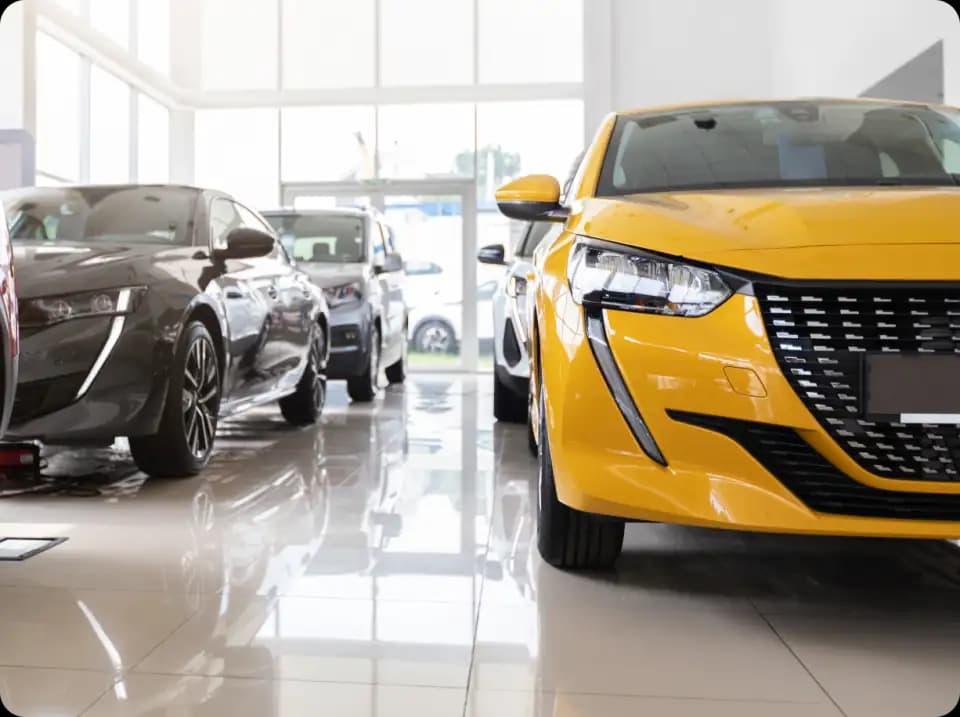
Vehicles produced at manufacturing facilities or imported through ports must be moved efficiently to distribution centers, staging yards, and dealer locations. Internal driving is not practical at scale and introduces operational inefficiencies.Auto transport enables OEMs to move vehicles in controlled volumes while maintaining distribution schedules.
Common OEM Transport Scenarios
OEM vehicle transport is used across several core manufacturing and distribution scenarios.
Plant-to-Distribution Movement
Transporting finished vehicles from production facilities to regional distribution centers.
Port and Import Logistics
Moving vehicles from ports of entry to staging yards or inland facilities.
Dealer Allocation and Staging
Shipping vehicles to dealer networks based on allocation plans.
Regional Rebalancing
Relocating inventory to align with market demand and sales performance.
Volume and Routing Considerations
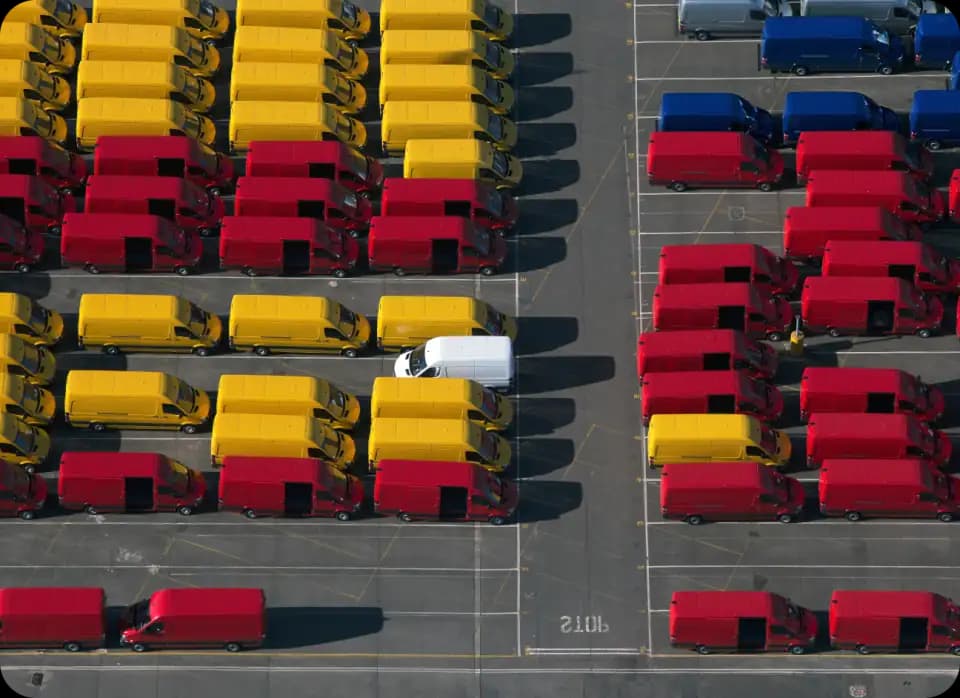
OEM transport involves consistent volumes and structured routing across fixed corridors. Shipments may scale based on production cycles, model releases, or market conditions.Routing focuses on efficiency, carrier capacity, and predictable execution rather than customized delivery timing.
Pickup and Delivery Coordination
Pickups typically occur at manufacturing plants, ports, or staging facilities. Deliveries involve distribution centers, storage yards, or dealer locations.Access protocols, operating hours, and yard procedures are coordinated in advance to support high-volume movement.
Vehicle Types Commonly Shipped by OEMs
OEM shipments include new passenger vehicles, SUVs, light trucks, and specialty models. Vehicle condition is uniform, though size and configuration may vary.Vehicle specifications are reviewed during planning to ensure proper carrier assignment.
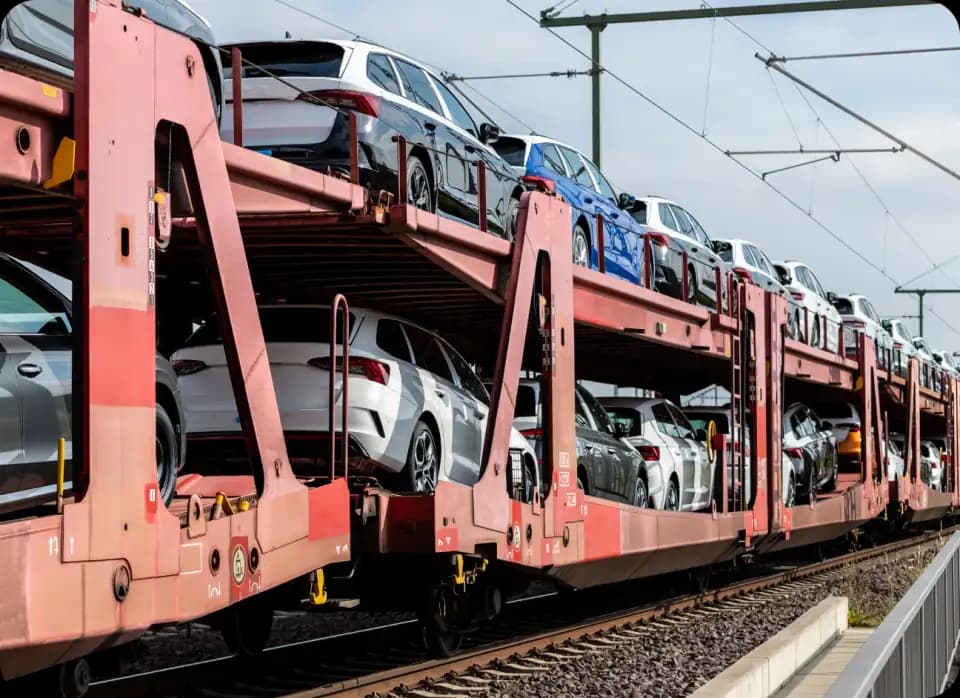
Transport Services Used for OEM Vehicle Shipping
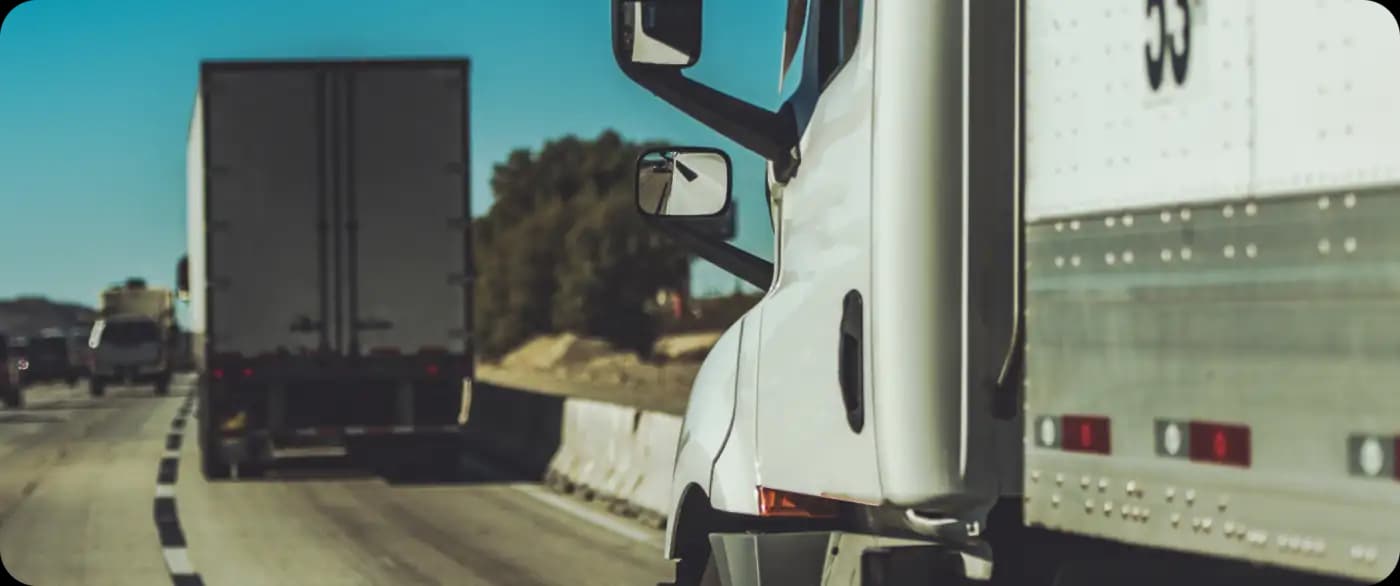
Open auto transport is the primary method used for OEM distribution due to capacity and efficiency. Multi-vehicle transport supports batch movement aligned with production output.Long-distance transport supports national distribution strategies. Enclosed transport may be used selectively for specialty or limited-release models.
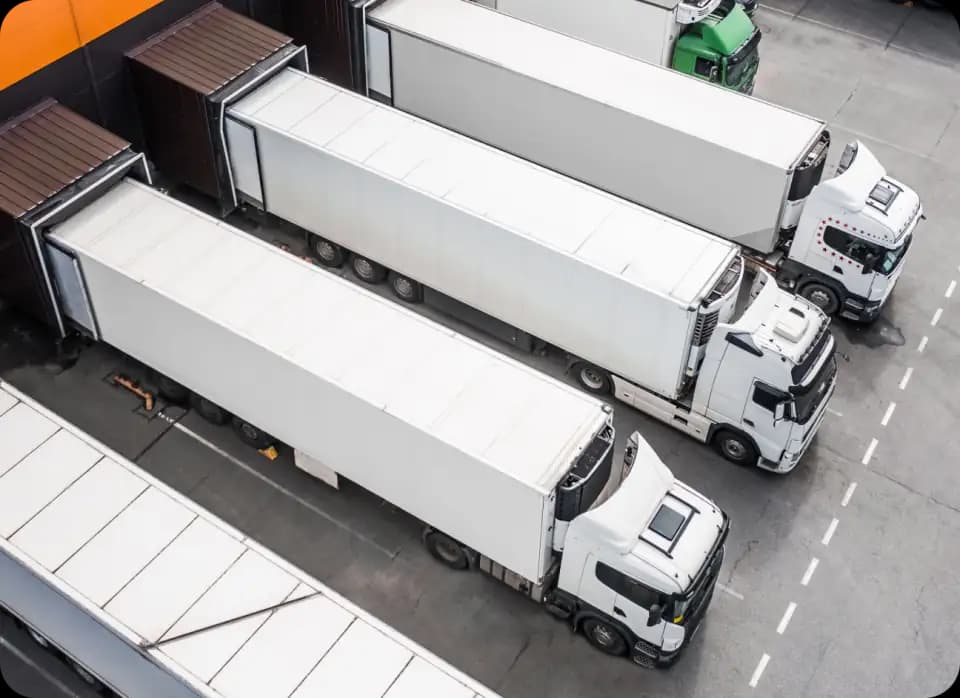
How Avorix Auto Transport Supports OEM Logistics
Avorix Auto Transport coordinates OEM shipments by aligning production volumes with carrier capacity and route availability. Each movement is planned around distribution schedules, access requirements, and delivery sequencing.The focus is on consistency, communication, and scalable execution across OEM supply chains.
How OEM Transport Differs from Dealer and Fleet Shipping
OEM transport operates upstream of retail and fleet distribution. Shipments are volume-driven, schedule-based, and tied to production and allocation cycles rather than customer delivery.This requires transport planning centered on throughput, predictability, and integration with manufacturing workflows.
Related Business Transport Services
OEM auto transport often connects with downstream distribution and remarketing needs.
Dealership Auto Transport
Dealership Auto Transport
Fleet Vehicle Transport
Fleet Vehicle Transport
Auto Auction Transport
Auto Auction Transport
Frequently
Asked Questions
Is OEM auto transport available nationwide?
Is OEM auto transport available nationwide?
Can OEMs ship large production volumes?
Can OEMs ship large production volumes?
Is transport coordinated from ports and plants?
Is transport coordinated from ports and plants?
Do OEMs use open or enclosed transport?
Do OEMs use open or enclosed transport?
Can transport scale with production cycles?
Can transport scale with production cycles?
Is delivery made directly to dealerships?
Is delivery made directly to dealerships?


Managing vehicle distribution for manufacturing operations?Get a clear, upfront quote based on volume, routing, and distribution schedules.