

Before Car Shipping Pickup
The period before car shipping pickup is when most coordination issues occur. Access limitations, vehicle readiness, and scheduling expectations all come into play before a carrier arrives. How these details are handled directly affects pickup timing and overall shipment flow.Understanding what happens before pickup helps prevent delays, reschedules, and unnecessary disruption on the day of transport.

Scheduling Windows and Pickup Timing
Car shipping pickup is scheduled within a time window rather than at an exact appointment. This allows carriers to manage traffic conditions, prior deliveries, and route sequencing. Pickup windows are a standard part of vehicle transport logistics and should be planned for accordingly.Availability during the scheduled window is critical. Limited availability or rigid timing requirements can cause delays or require rescheduling if the carrier cannot access the vehicle as planned.

Pickup Location Access Planning
Transport trucks are larger than standard vehicles and may not be able to access all locations. Narrow streets, residential restrictions, low-hanging branches, weight limits, and parking regulations can affect pickup feasibility.When direct access is not possible, an alternative nearby meeting location is typically arranged. Planning access in advance helps avoid last-minute changes when the carrier arrives.
Vehicle Readiness Before Pickup
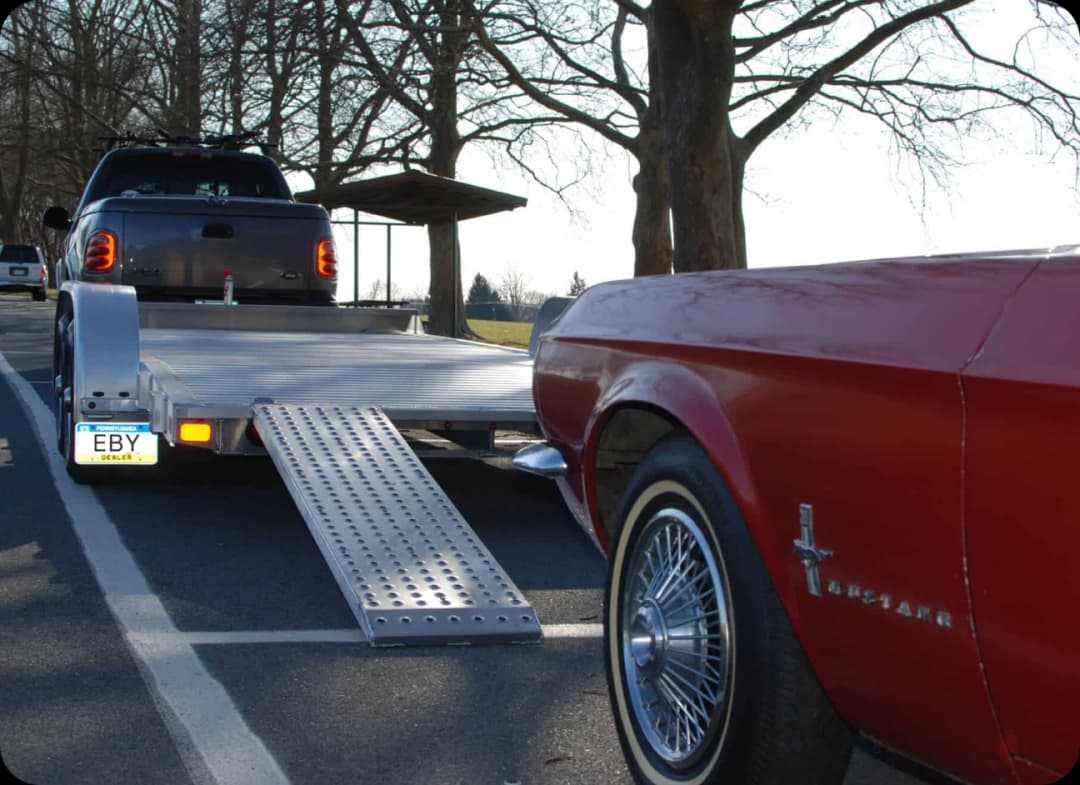
Vehicles must be ready at the time of pickup. Readiness includes being operational unless otherwise arranged, having sufficient clearance for loading, and being available within the scheduled window.Vehicles that do not start or roll require additional equipment and coordination. If a vehicle's condition changes before pickup, this information must be communicated early to avoid delays.
Personal Items and Vehicle
Contents
Personal items are typically removed before pickup. Transport carriers focus on vehicle movement and are not responsible for personal belongings inside the car. Excess weight can also affect loading and transport balance.Keeping the interior clear supports safe loading and helps prevent disputes related to missing or damaged personal items after delivery.


Exterior Condition and Inspection Visibility
The vehicle's exterior condition is documented at pickup. A reasonably clean exterior allows the carrier to note any existing cosmetic damage accurately during inspection.This inspection creates a baseline record that is referenced again at delivery. Clear visibility helps avoid confusion or disagreement during final handoff.

Fuel Levels and Mechanical Considerations
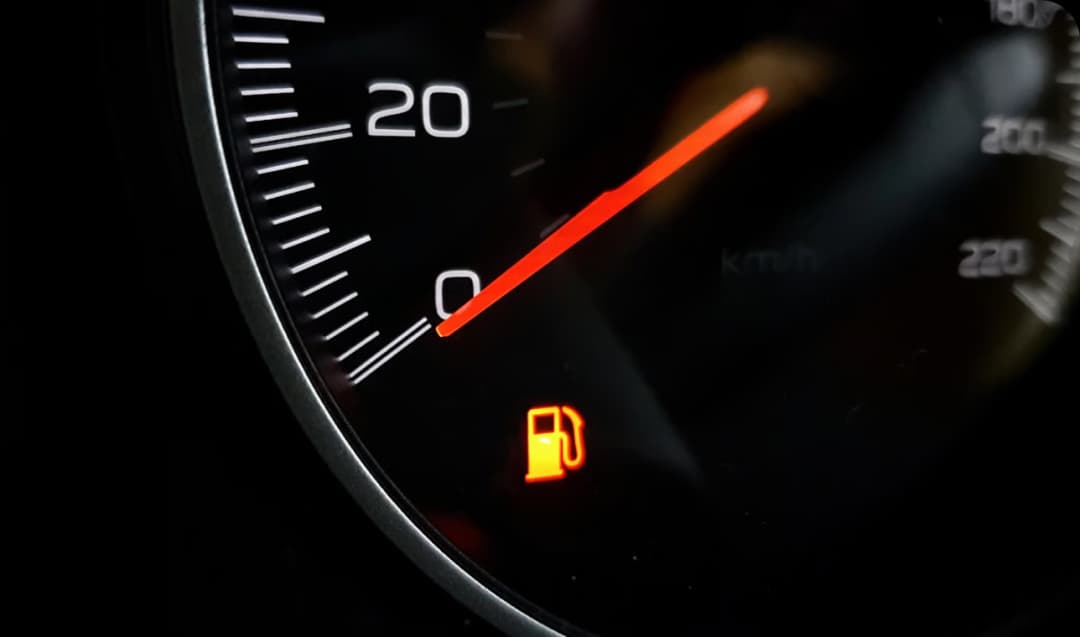
Vehicles should have a moderate fuel level at pickup, typically enough to load and unload safely. Full tanks add unnecessary weight, while extremely low fuel levels can cause operational issues during loading.Mechanical issues such as leaks, battery problems, or brake concerns should be disclosed before pickup. Undisclosed issues may prevent safe loading and result in delays.

Keys, Alarms, and Vehicle Access
At pickup, the carrier requires access to the vehicle. Keys or key fobs must be available, and any alarm systems should be disabled or explained to avoid issues during transport.Special instructions related to vehicle operation should be communicated in advance. Clear access prevents unnecessary delays during loading.
Communication Before Pickup Day
Communication increases as pickup approaches. Confirming availability, access details, and vehicle readiness helps ensure a smooth pickup experience.Last-minute changes can often be accommodated if communicated early. Lack of communication is one of the most common causes of missed or delayed pickups.

Common Pickup Issues and How to Avoid Them
Most pickup issues stem from access constraints, unavailable vehicles, or incorrect condition information. Planning flexible windows, confirming access, and preparing the vehicle reduce the likelihood of rescheduling.Understanding how carriers operate helps align expectations and supports smoother coordination.
Related Process Pages
Continue through the car shipping process with related guidance for scheduling, pickup, delivery, and timing expectations.
Car Shipping Process
A full overview of the car shipping process from quote to delivery.
Pickup and Delivery Day
What happens when the carrier arrives for pickup and delivery.
How Long Does Car Shipping Take
Transit timing expectations and scheduling factors.
Before Car Shipping
Pickup FAQs


Prepare for Car Shipping Pickup
Proper preparation and clear access help ensure pickup occurs smoothly within the scheduled window. Confirming readiness in advance supports efficient coordination and reduces disruption.