

Car Shipping Process
Car shipping follows a structured logistics process that moves a vehicle from origin to destination through coordinated planning, scheduling, transport, and delivery. While every shipment follows the same general sequence, execution varies based on route demand, timing, access conditions, and carrier availability.Understanding how each stage fits together helps set realistic expectations before scheduling begins and reduces uncertainty as the shipment progresses.

Route-Based Pricing and Initial Review
The car shipping process begins with route-based pricing. Pricing reflects distance, market demand along the route, vehicle details, and preferred timing. Unlike flat-rate services, car shipping pricing is tied directly to active carrier lanes and availability.This initial review establishes whether a shipment can be scheduled immediately or requires coordination based on current market conditions. Pricing and availability often shift with seasonality, regional demand, and fuel costs.
Scheduling Windows and Availability
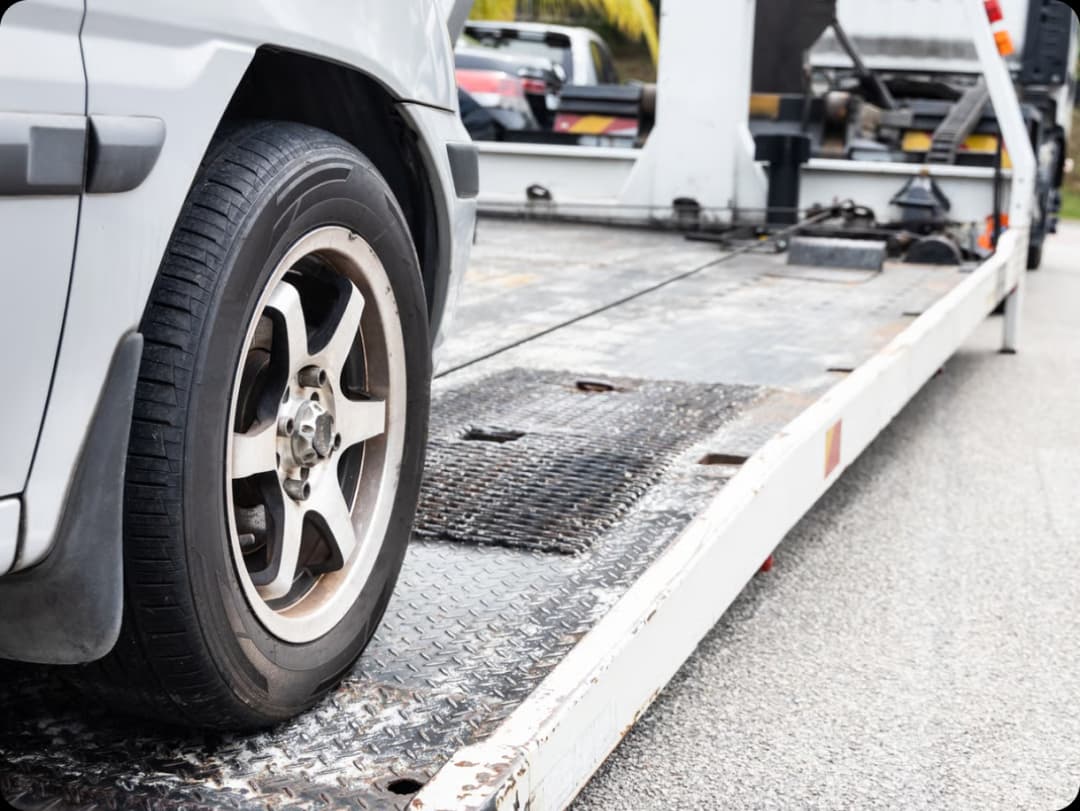
Once a shipment is approved, scheduling begins. Car shipping is scheduled within pickup windows rather than exact appointment times. This approach allows carriers to manage traffic, delivery sequencing, and access limitations efficiently.Availability depends on how the shipment aligns with existing carrier routes. High-demand corridors may offer faster scheduling, while less common routes can require additional time to match with a suitable carrier.
Carrier Assignment and Coordination
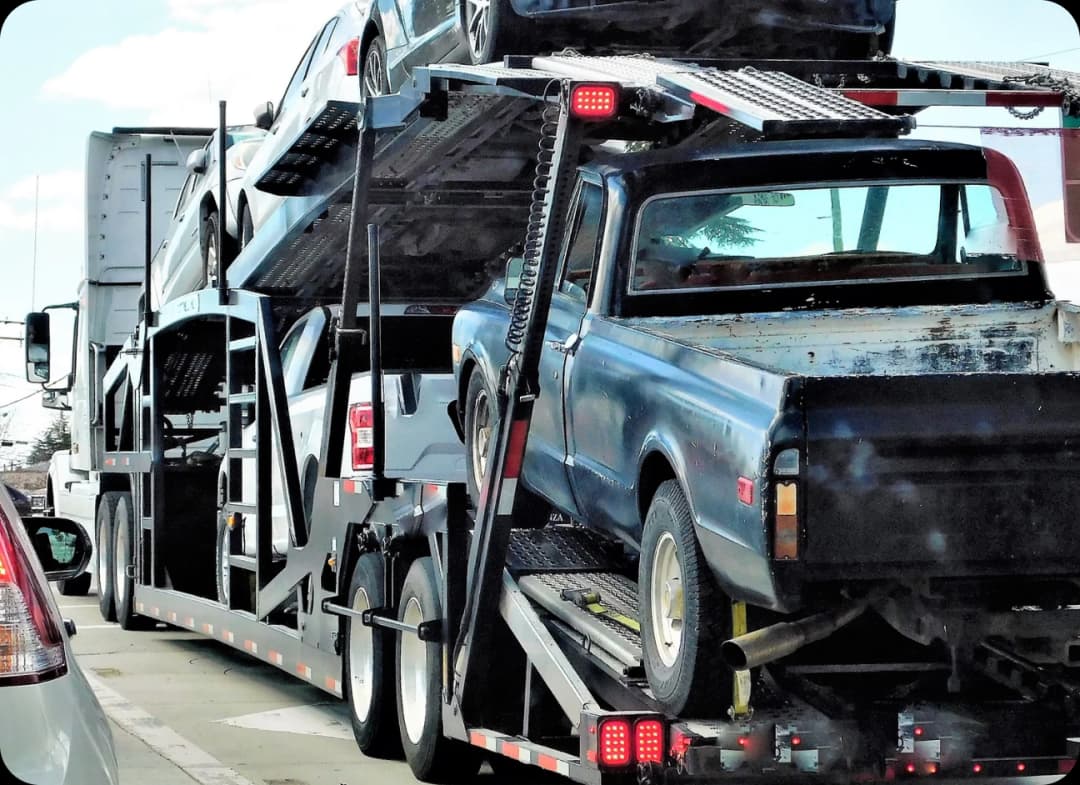
Carrier assignment occurs after scheduling begins and depends on route alignment, equipment requirements, and timing considerations. Carriers are selected based on their active routes rather than being dispatched exclusively for a single vehicle.Assignment timing varies. Some shipments are matched quickly, while others require coordination to align with an outbound or inbound route. Communication increases once a carrier confirms availability.
Pickup Planning and Access Considerations
Before pickup, access planning becomes critical. Transport trucks are larger than standard vehicles and may not be able to enter narrow streets, residential areas, or locations with low clearances. When necessary, pickup is coordinated at a nearby accessible location.Vehicles must be ready at the time of pickup. Readiness includes clear access, operational condition unless otherwise arranged, and availability during the scheduled window.Detailed preparation guidance is covered on the Before Car Shipping Pickup page.


Vehicle Inspection at Pickup
At pickup, the vehicle is inspected and its condition documented. This inspection records any existing cosmetic damage before loading. Documentation ensures clarity at delivery and supports accurate condition verification.The inspection process is brief but important. Vehicles should be reasonably clean to allow visible condition assessment during pickup and delivery.

Transport and In-Transit Movement
Once loaded, the vehicle moves along the planned route as part of the carrier's scheduled transport sequence. Transit time depends on distance, route density, weather, traffic, and delivery order.Carriers may transport multiple vehicles along a route, making stops at different locations. This routing efficiency helps keep shipping costs aligned with market conditions.

Communication During Transport
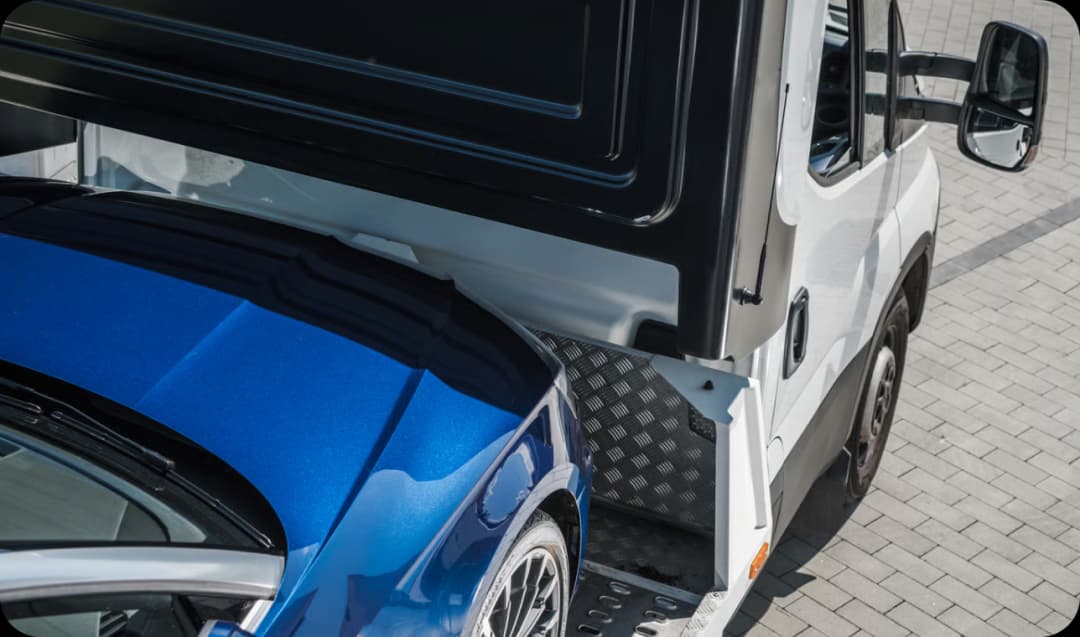
Communication typically increases as delivery approaches. While vehicles are in transit, updates may be limited due to routing and driving schedules. As the carrier nears the destination, delivery timing is coordinated within a delivery window.Clear communication helps align expectations, especially when timing adjustments occur due to traffic or weather conditions.
Delivery Coordination and Timing
Delivery is scheduled within a time window similar to pickup. Access at the delivery location is reviewed in advance to avoid last-minute changes. If the destination is not accessible, an alternative nearby location may be used.Delivery timing depends on transit progress and route sequencing. Flexibility at this stage helps ensure a smooth final handoff.
Final Inspection and Handoff
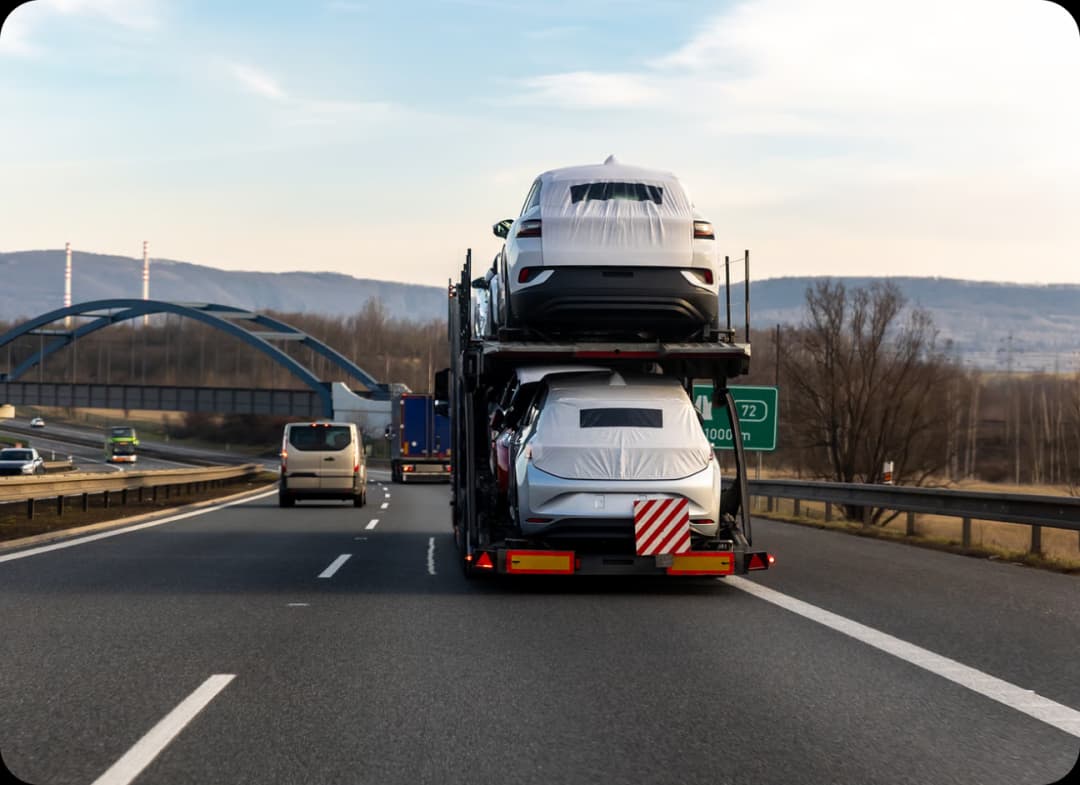
At delivery, the vehicle is inspected again to confirm its condition. This inspection is compared with the pickup documentation to ensure accuracy. Once confirmed, the vehicle is released and the shipment is completed.Final handoff concludes the car shipping process.
What Affects the Car Shipping Process
Several factors influence how smoothly a shipment progresses. Distance, pickup and delivery access, vehicle operability, weather, traffic, and seasonal demand all play a role.Understanding these variables helps reduce surprises and supports realistic planning throughout the process.

Related Process Stages
Continue through the car shipping process with related guidance for preparation, pickup, timing, and scheduling adjustments.
How to Ship a Car
High-level orientation to the car shipping process before scheduling.
Pickup and Delivery Day
What happens when the carrier arrives for pickup and delivery.
How Long Does Car Shipping Take
Transit time ranges and scheduling expectations.
Car Shipping Delays and Scheduling
Common delay factors and timing adjustments.
Car Shipping
Process FAQs


Start the Car Shipping Process
Once timing and expectations are clear, shipment details can be reviewed and pricing confirmed. Scheduling proceeds based on route demand, vehicle information, and availability at pickup and delivery locations.