

How Long Does Car Shipping Take
Car shipping timelines depend on two main components: scheduling time and transit time. Together, these determine how long it takes for a vehicle to move from pickup to delivery. While the overall process follows a consistent structure, timing varies based on distance, route demand, and real-world conditions.Understanding how car shipping timelines work helps align expectations before scheduling begins and reduces uncertainty while the vehicle is in transit.

Two Parts of the Car Shipping Timeline
The total car shipping timeline includes scheduling and transit. Scheduling refers to the time required to assign a carrier and arrange pickup. Transit refers to the time the vehicle spends moving along the transport route.Both parts are influenced by route availability, timing flexibility, and market demand. Evaluating only transit time without considering scheduling can lead to unrealistic expectations.
Scheduling Time Before Pickup
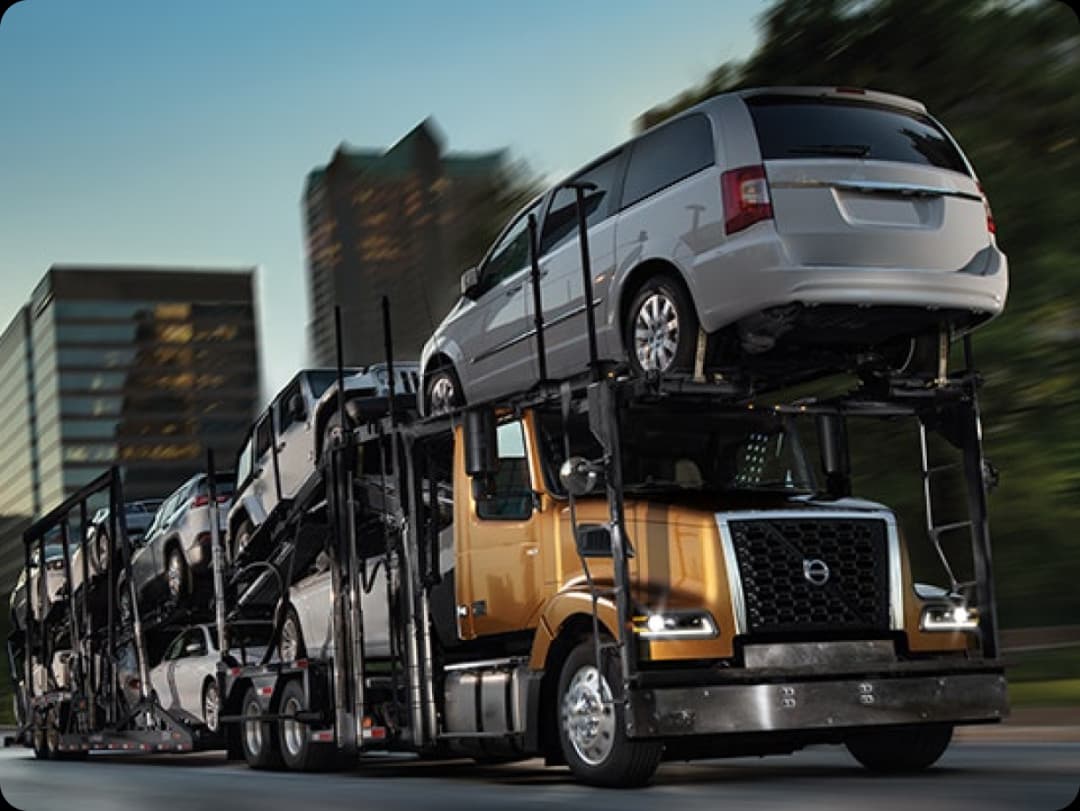
Scheduling time varies depending on how well a shipment aligns with active carrier routes. Some routes allow for quick carrier assignment, while others require additional coordination. Scheduling can take several days depending on route demand and timing flexibility.Providing wider pickup windows generally improves scheduling speed. Rigid timing requirements may extend the scheduling phase.
Transit Time Based on Distance
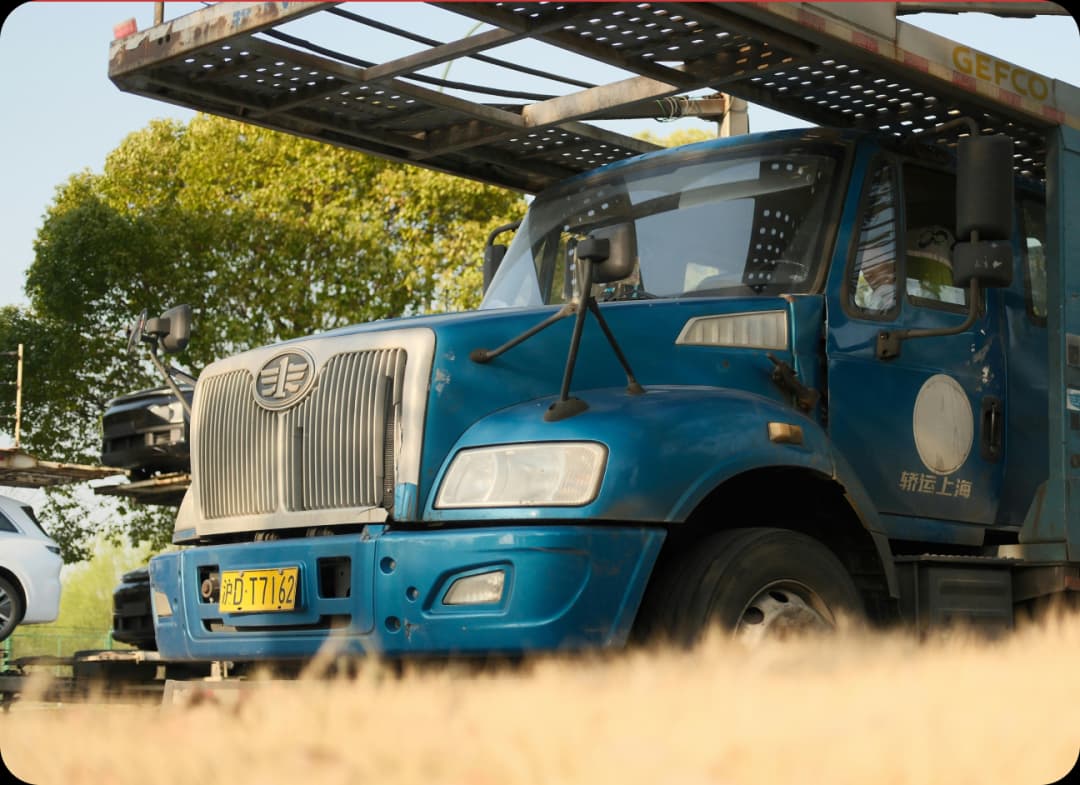
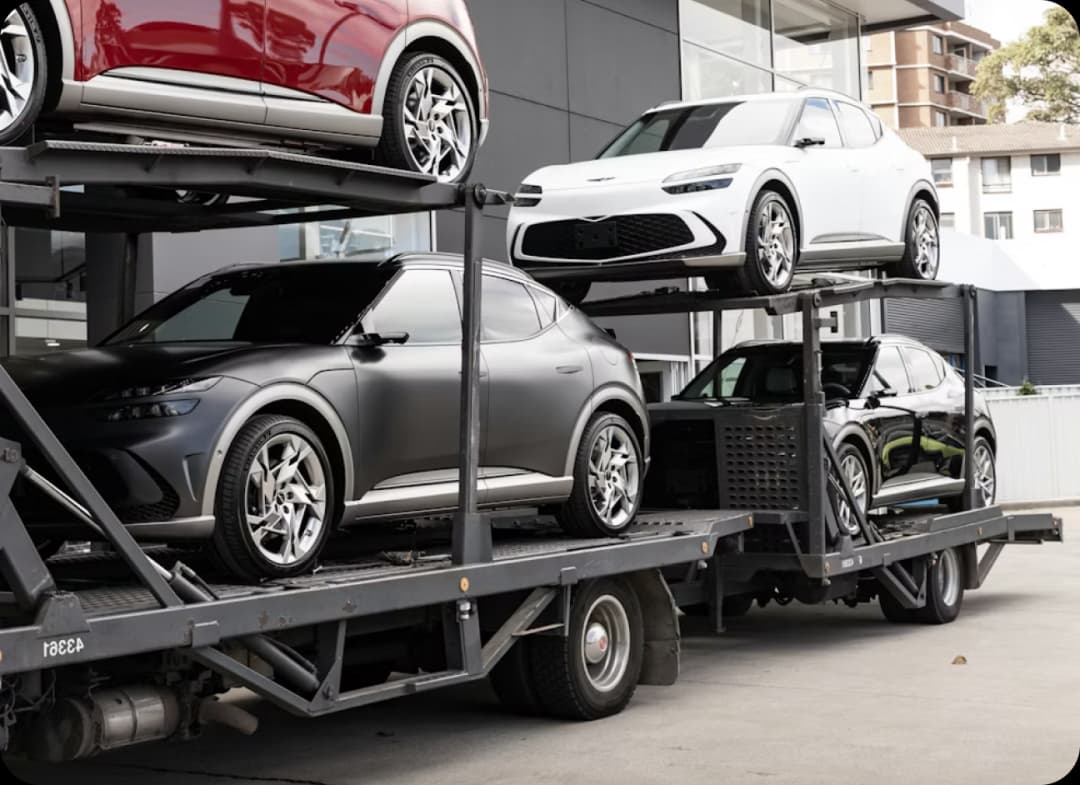
Transit time depends primarily on distance but is also affected by delivery sequencing, traffic patterns, and regional conditions. Shorter routes typically complete more quickly, while longer routes require multiple days of transport.Carriers often transport multiple vehicles along a route, making stops at different locations. This routing efficiency influences how transit time is structured.
Regional vs Long-Distance Shipping Timelines
Regional shipments usually involve shorter transit times but still require scheduling windows. Long-distance and cross-country shipments involve multi-day routing and additional coordination.Longer routes may experience variations in timing due to weather patterns, traffic conditions, and regional delivery density.For long-distance routes, see the Cross-Country Shipping Process page.
How Route Demand Affects Timing
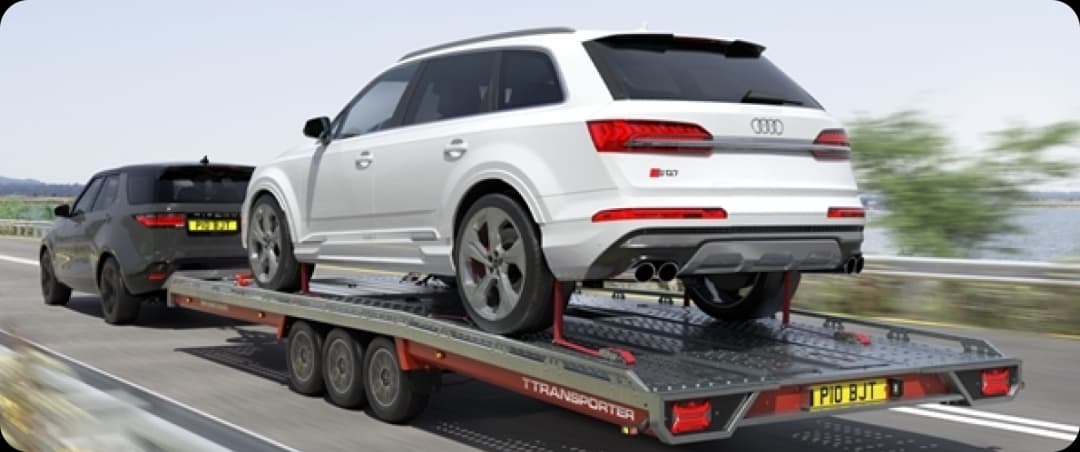
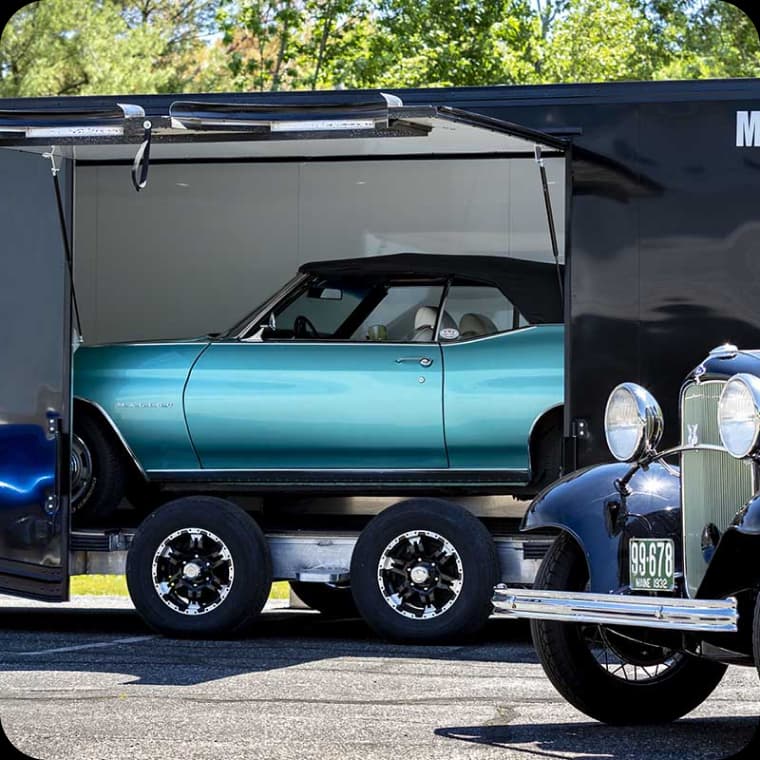
Route demand plays a significant role in shipping timelines. High-demand corridors often have more frequent carrier availability, while low-demand routes may take longer to schedule and complete.Seasonal changes can affect demand, especially during peak relocation periods. Timing flexibility helps accommodate these fluctuations.
Pickup and Delivery Windows
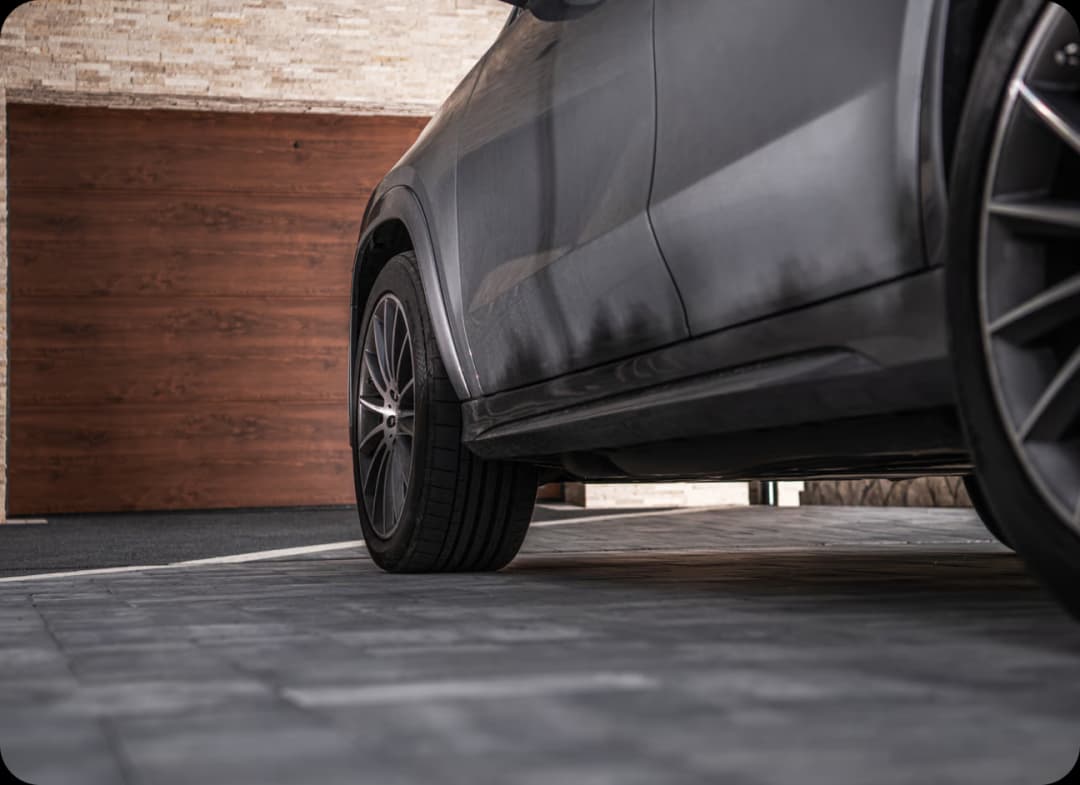
Pickup and delivery occur within time windows rather than exact dates or times. These windows allow carriers to manage traffic, routing, and delivery sequencing effectively.Understanding and planning for these windows is essential when estimating overall shipping time.
Weather, Traffic, and Road Conditions
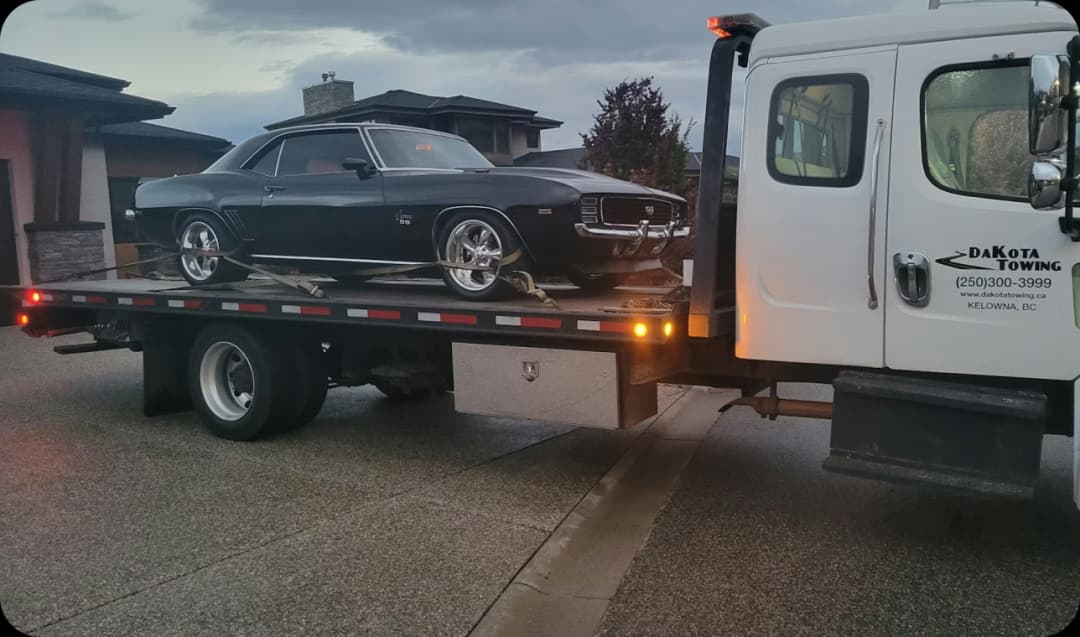
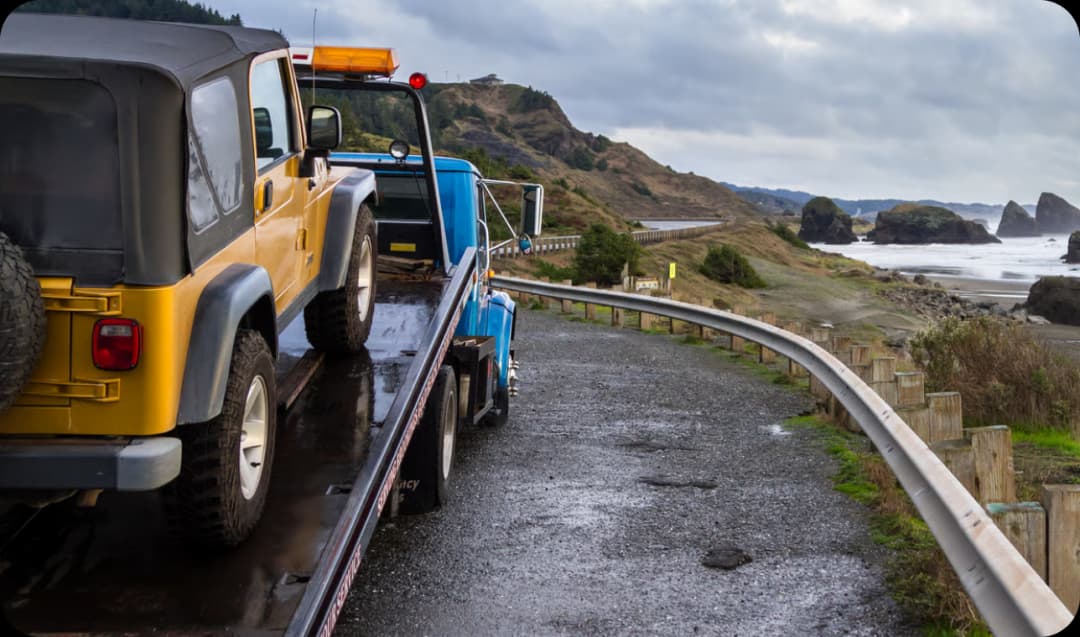
Weather and road conditions can influence transit timelines. Severe weather, road closures, and traffic congestion may cause temporary delays.While carriers plan routes carefully, real-world conditions can require adjustments during transit. Communication typically increases when timing changes occur.
Vehicle Condition and Timing
Vehicle operability affects loading, unloading, and scheduling. Non-running vehicles require specialized equipment and additional time at pickup and delivery.Accurate vehicle condition information helps prevent unexpected delays during the shipping process.
Delivery Sequencing and Final Timing
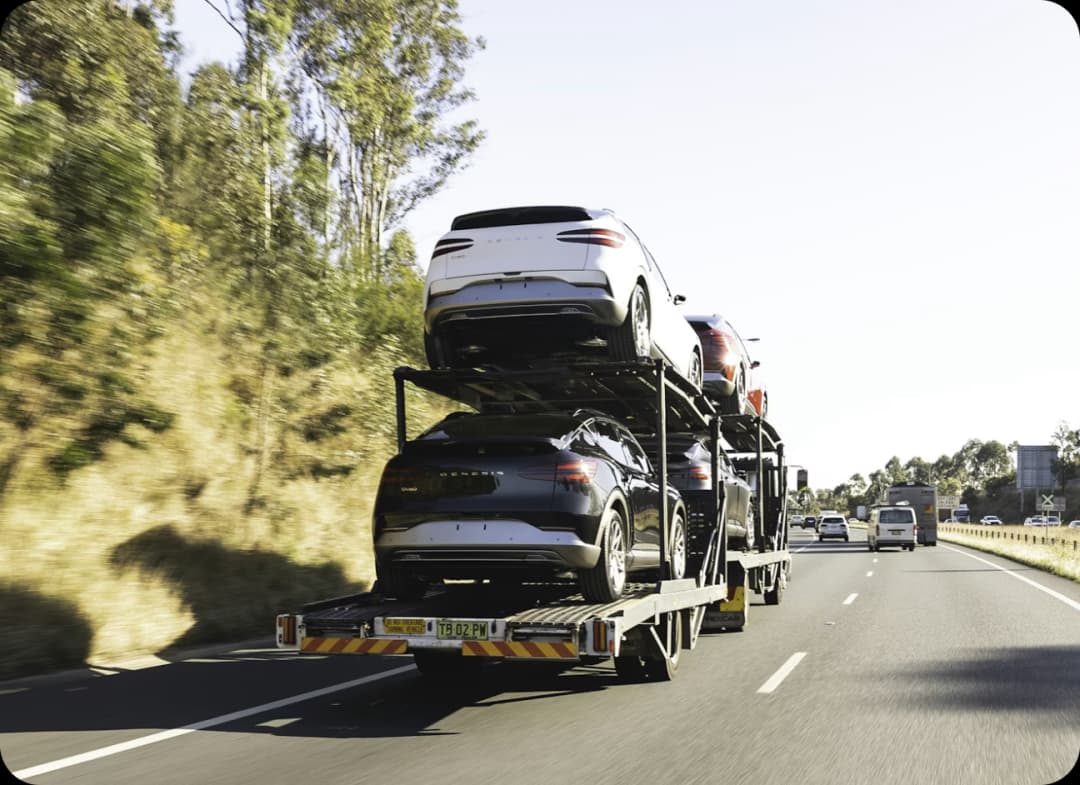
Delivery timing depends on where the vehicle falls within the carrier's route sequence. Vehicles scheduled for later delivery points may remain on the carrier longer than those delivered earlier.Final delivery timing is coordinated as the carrier approaches the destination and completes earlier stops.
Setting Realistic Car Shipping Expectations
Realistic expectations account for scheduling windows, transit ranges, and potential timing adjustments. Car shipping timelines are best viewed as ranges rather than fixed dates.Understanding how timing works helps reduce frustration and supports smoother coordination from pickup through delivery.
Related Process Pages
Continue through related process guidance for shipping steps, pickup coordination, and timing adjustments.
Car Shipping Process
A full breakdown of the shipping process from quote to delivery.
Pickup and Delivery Day
What happens when the carrier arrives for pickup and delivery.
Car Shipping Delays and Scheduling
Common timing delays and how scheduling adjustments occur.
How Long Does Car
Shipping Take FAQs


Plan Your Car Shipping Timeline
Understanding scheduling and transit expectations helps plan vehicle shipping more effectively. Flexible timing and early coordination support smoother delivery and fewer delays.