

Cross-Country Car Shipping Process
Cross-country car shipping involves long-distance routing, multi-day transit, and additional coordination compared to regional vehicle transport. While the overall process follows the same structure as other car shipments, execution differs due to distance, delivery sequencing, and route planning.Understanding how cross-country shipping works helps set realistic expectations for timing, communication, and flexibility before scheduling begins.

How Cross-Country Shipping Differs From Short-Distance Transport
The primary difference in cross-country shipping is scale. Vehicles move across multiple regions, often covering thousands of miles. This requires careful route planning and sequencing to balance efficiency with delivery timing.Short-distance shipments may complete in days, while cross-country shipments involve extended transit and more variables that affect timing.
Route Planning for Long-Distance Shipments
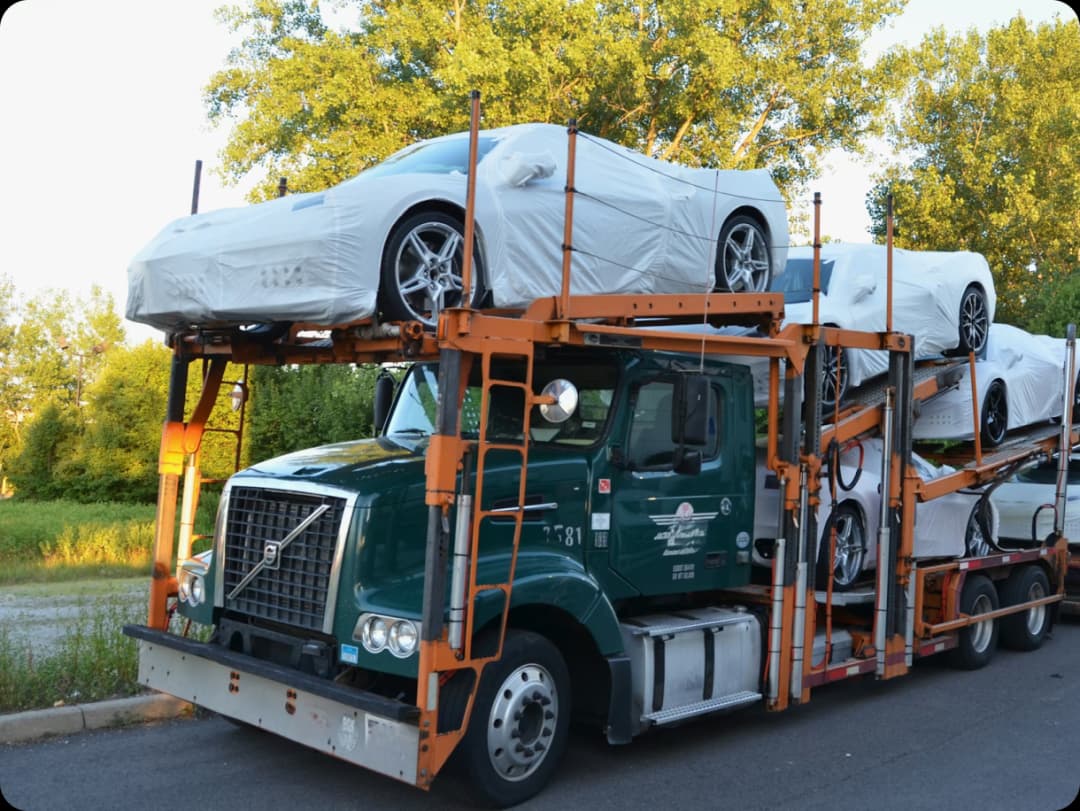
Cross-country routes are planned around major transport corridors rather than direct point-to-point travel. Carriers follow established lanes that support multiple pickups and deliveries along the way.This routing approach helps manage fuel efficiency, scheduling, and delivery order. While not always the most direct path geographically, it supports predictable logistics at scale.
Scheduling and Carrier Availability
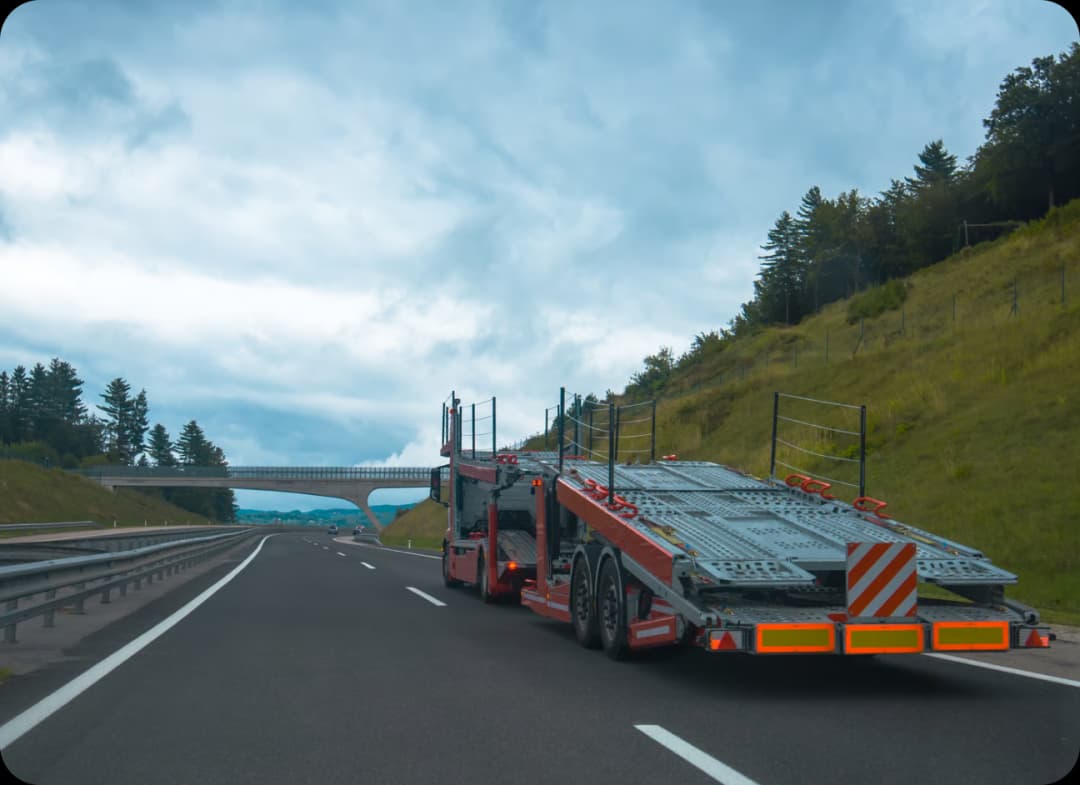
Scheduling cross-country shipping depends on how well a shipment aligns with active long-distance routes. High-volume corridors may allow faster scheduling, while less common origin or destination points require additional coordination.Flexible pickup windows improve scheduling speed. Rigid date requirements can extend the time needed to assign a carrier.
Pickup Coordination for Cross-Country Transport
Pickup for cross-country shipments follows the same access and readiness requirements as other car shipping, but timing flexibility is especially important. Pickup occurs within a scheduled window rather than a fixed appointment.Clear access at the pickup location helps prevent delays that can disrupt a long-distance route.For preparation details, refer to Before Car Shipping Pickup.

Multi-Day Transit and Delivery Sequencing
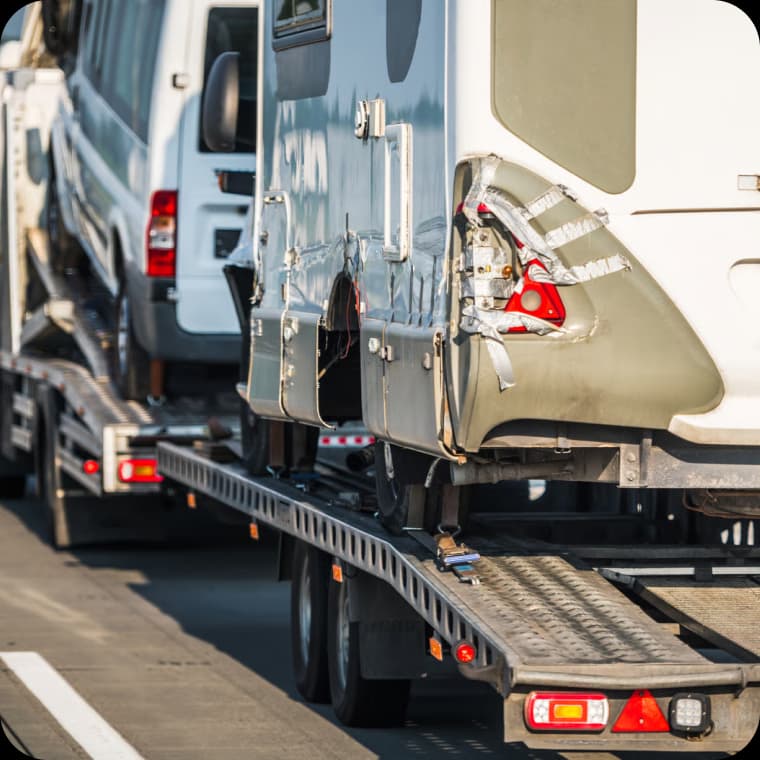
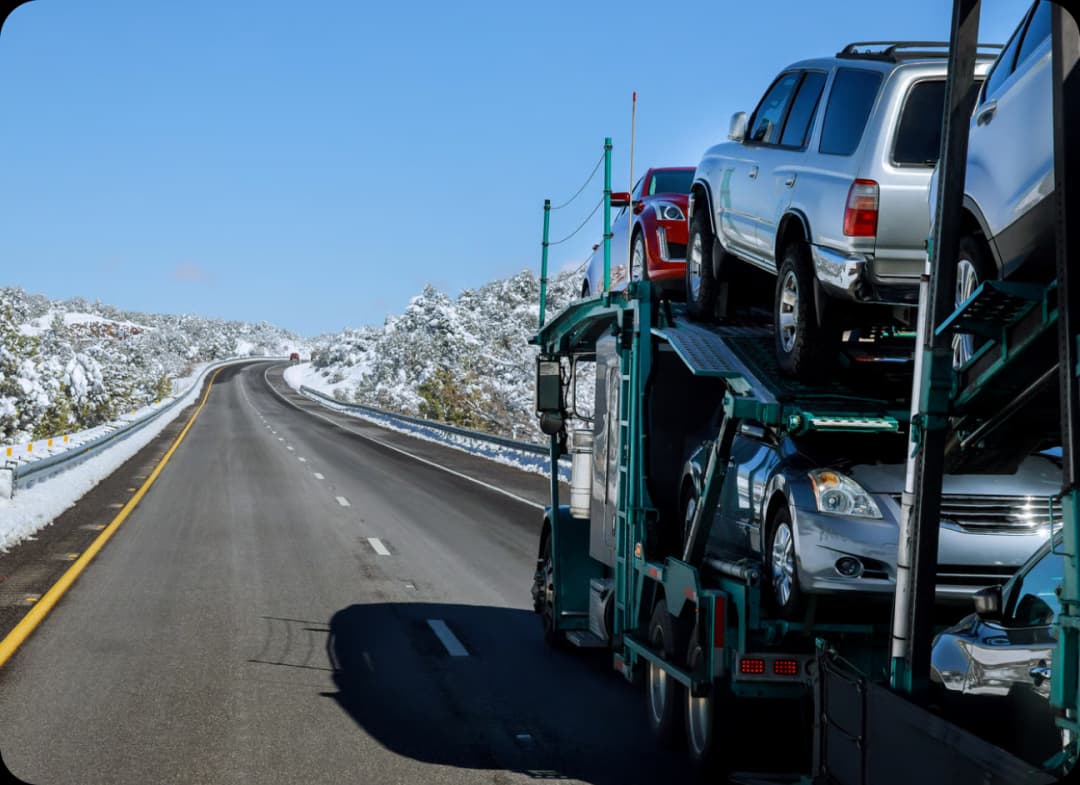
Once in transit, cross-country shipments move through multiple regions over several days. Carriers may make stops along the route to load or unload other vehicles.Delivery sequencing affects timing. Vehicles scheduled later along the route remain on the carrier longer, even after reaching the destination region.
Transit Time Expectations for Cross-Country Shipping
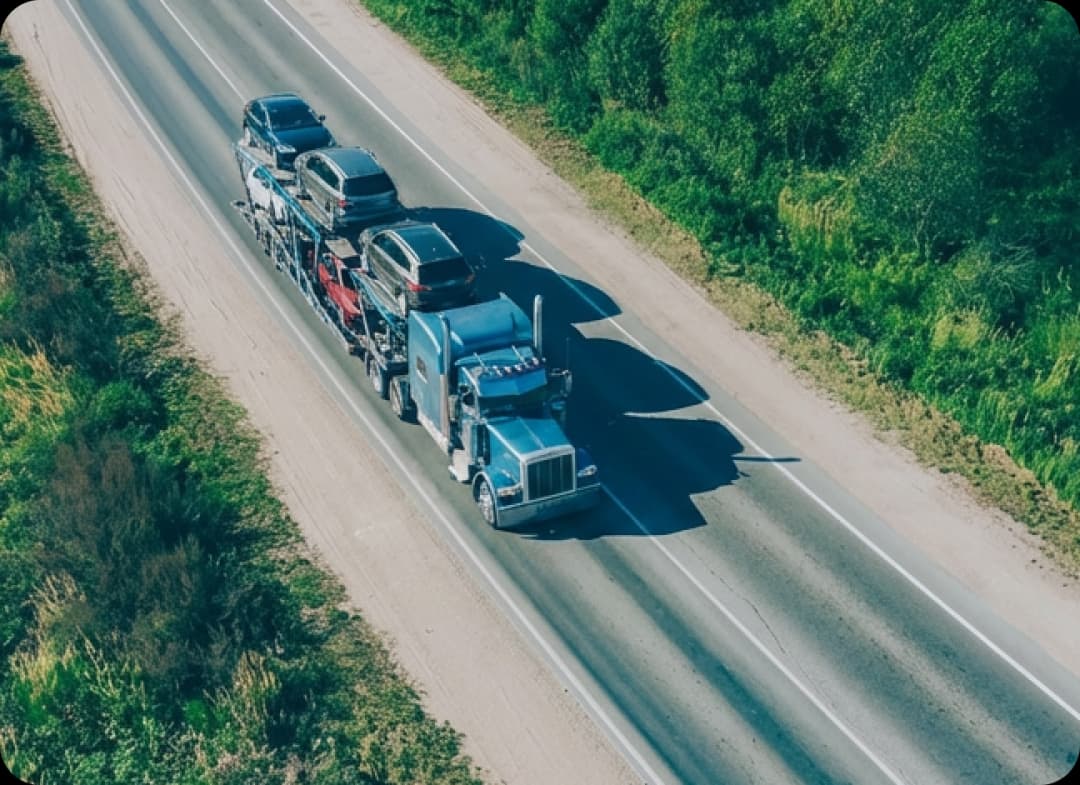
Transit time for cross-country shipping varies based on distance, route density, and regional conditions. While estimates can be provided, timelines should be viewed as ranges rather than fixed dates.Weather, traffic, and road conditions can influence progress during multi-day transport.For general timing ranges, see How Long Does Car Shipping Take.
Communication During Long-Distance Transport
Communication during cross-country shipping is typically structured around key milestones. Updates may be limited during transit and increase as the vehicle approaches delivery.Because of distance and routing, immediate updates are not always available. Communication improves near the final delivery window.
Delivery Coordination at the Destination
As the carrier approaches the destination region, delivery timing is coordinated within a delivery window. Access at the delivery location is reviewed to ensure safe unloading.If the final destination is not accessible to large transport vehicles, an alternative nearby meeting location may be arranged.
Inspection and Final Handoff
At delivery, the vehicle is inspected and compared against the pickup inspection record. This confirms that the vehicle's condition matches what was documented before transport.Once inspection is completed and confirmed, the vehicle is released and the shipment is concluded.
Factors That Affect Cross-Country Shipping Timelines
Several factors influence cross-country shipping timelines. Distance, route demand, seasonal volume, weather patterns, and vehicle condition all play a role.Long-distance shipments require flexibility to accommodate these variables without disrupting delivery sequencing.

How Cross-Country Shipping Fits Into the Full Process
Cross-country shipping follows the same overall car shipping process but operates on a larger scale. Planning, scheduling, pickup, transit, and delivery all follow the same structure, with extended timelines and routing considerations.A complete overview of the process is available on the Car Shipping Process page.
Related Process Pages
Continue through related process guidance for pickup, scheduling changes, and post-booking coordination.
Pickup and Delivery Day
What happens when the carrier arrives for pickup and delivery.
Car Shipping Delays and Scheduling
Common delay factors and how scheduling adjustments occur.
What Happens After You Book
Post-booking communication and next steps.
Cross-Country Car Shipping FAQs


Plan a Cross-Country Car Shipment
Cross-country shipping requires realistic timing expectations and flexibility. Understanding how long-distance transport works helps reduce uncertainty and supports smoother coordination.