

How to Ship a Car
Shipping a car is a coordinated logistics process that requires planning, scheduling, and flexibility. Whether the vehicle is moving across state lines or across the country, the steps follow a consistent structure shaped by route demand, access conditions, and carrier availability.Understanding how the process works at a high level helps avoid confusion, unrealistic expectations, and last-minute issues before scheduling begins.

Shipping a Car Starts with Planning
Car shipping begins with planning around timing, location, and vehicle details. Distance, pickup access, delivery access, and preferred transport method all influence how a shipment is scheduled. These factors determine availability and affect how quickly a carrier can be assigned.Planning does not require exact dates or rigid timelines, but it does require flexibility. Car shipping operates on scheduling windows rather than fixed appointments due to traffic patterns, route sequencing, and carrier logistics.
Understanding Car Shipping Quotes and Availability
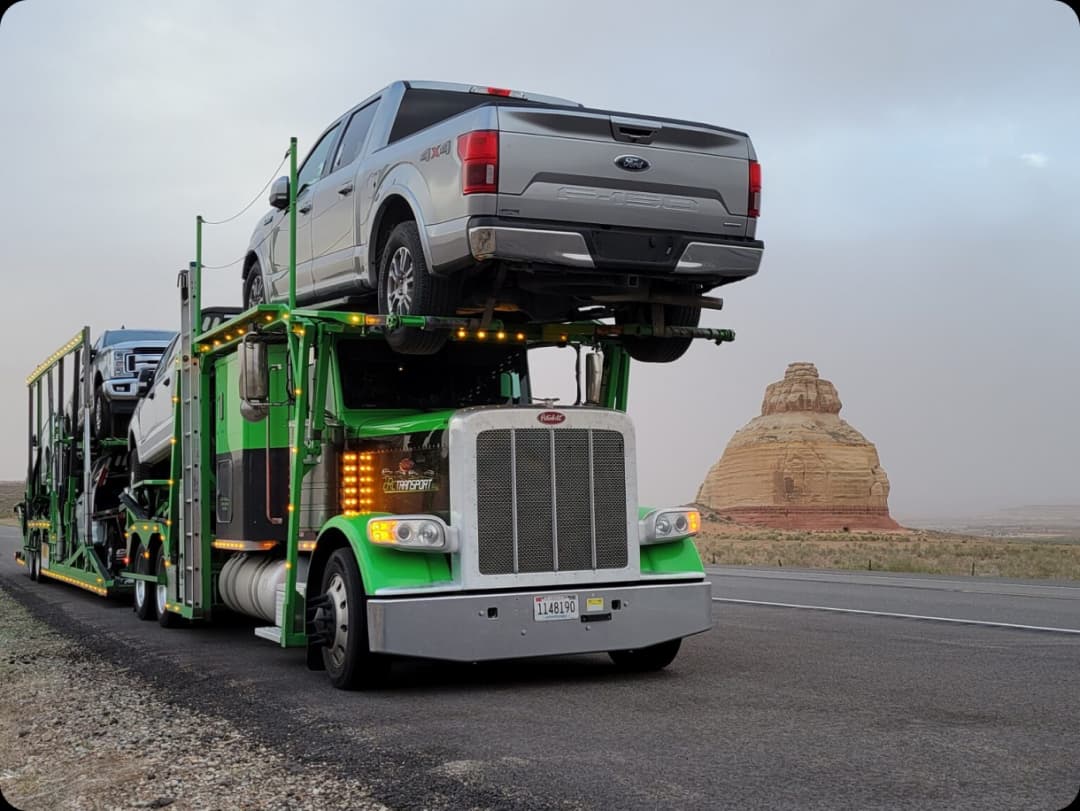
A car shipping quote reflects current market conditions based on route demand, distance, vehicle type, and timing. Quotes are generated using real carrier availability along specific routes rather than flat pricing models.Availability varies by season, region, and lane activity. Popular routes may see faster scheduling, while less common routes can require additional coordination. Reviewing pricing early helps determine when to move forward with scheduling.
How the Car Shipping Process Moves Forward
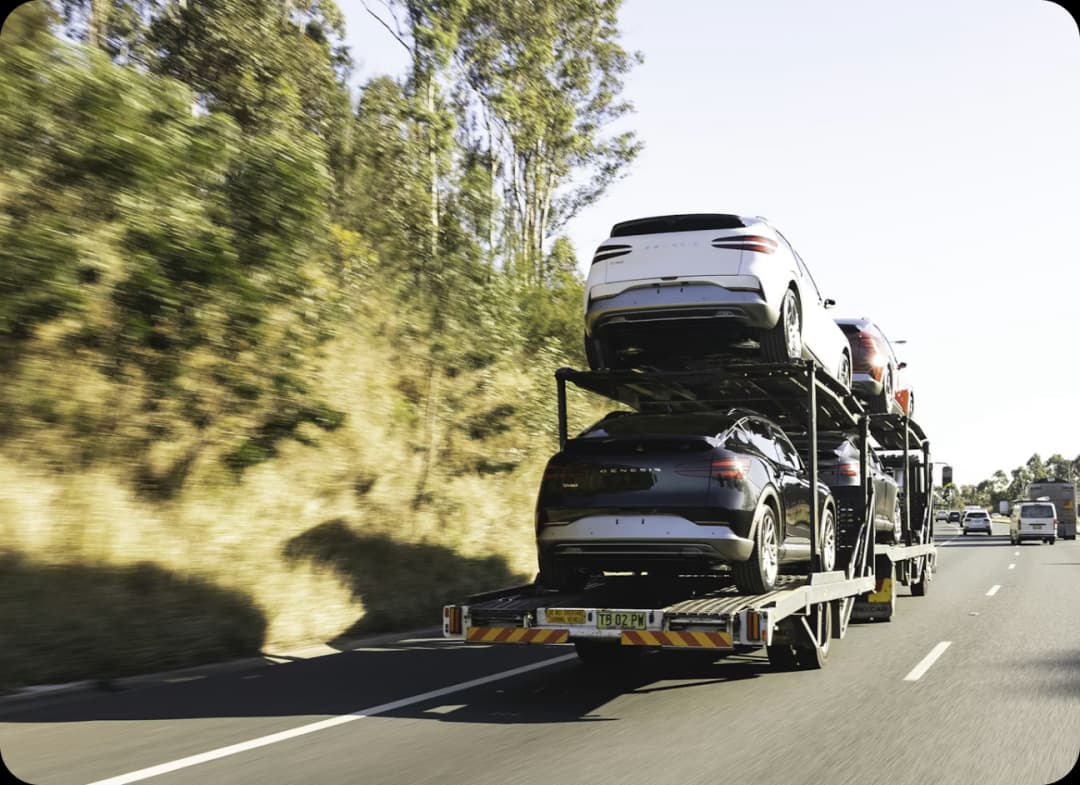
Once planning is complete, the car shipping process moves into scheduling and carrier coordination. Shipments are matched with carriers already operating along the intended route, rather than dispatching trucks exclusively for a single vehicle.After a carrier is assigned, pickup is coordinated within a scheduling window. The vehicle is inspected at pickup, transported along the planned route, and delivered within a delivery window near the destination.For a full step-by-step breakdown, refer to the Car Shipping Process page.
Preparing for Car Shipping Pickup
Before pickup, the vehicle must be accessible and ready for transport. Pickup locations should accommodate large transport trucks, or alternative nearby meeting points may be required. Clear access helps prevent delays or rescheduling.Vehicles should be operational unless arranged otherwise. Personal items are typically removed, and the exterior should be reasonably clean to allow for inspection at pickup.Detailed preparation guidance is covered on the Before Car Shipping Pickup page.
Pickup, Transport, and Delivery Expectations
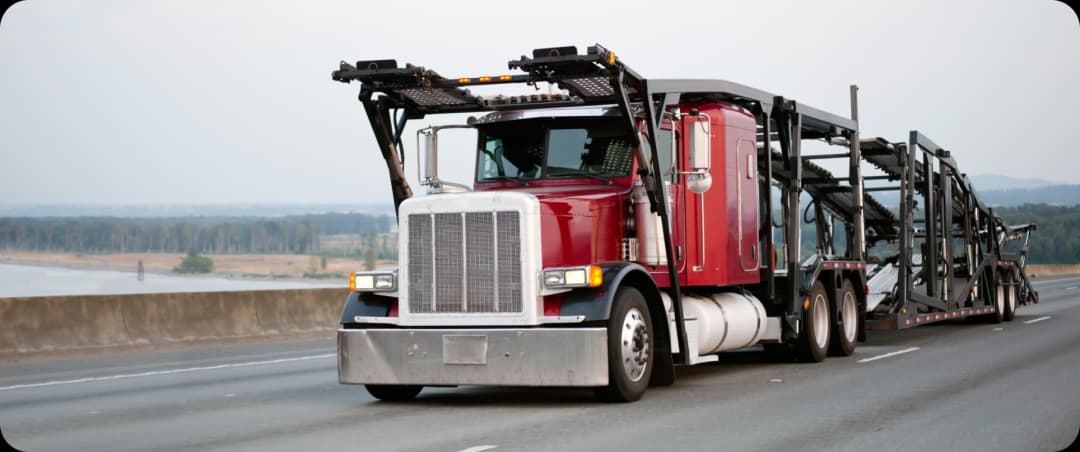
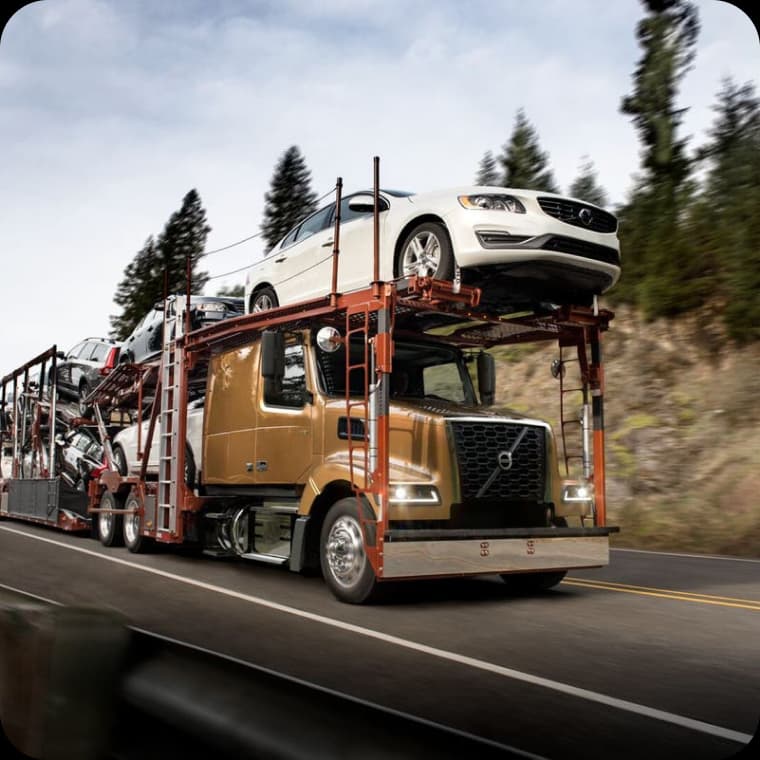
Pickup and delivery occur within time windows rather than exact times. This allows carriers to manage traffic, prior deliveries, and route sequencing efficiently. Communication increases as the carrier approaches the pickup or delivery location.During transport, timing varies based on distance, weather, and regional conditions. Delivery is coordinated near the destination, followed by a final inspection to confirm vehicle condition before handoff.

Timing Considerations When Shipping a Car
Car shipping timelines depend on both scheduling and transit time. Scheduling may take several days depending on route demand, while transit time depends on distance and delivery sequencing.Longer routes involve multi-day transport and may require additional flexibility. Shorter routes often move more quickly but still rely on scheduling windows rather than fixed delivery dates.Transit timing details are covered in How Long Does Car Shipping Take.

What Can Affect Car Shipping Experience
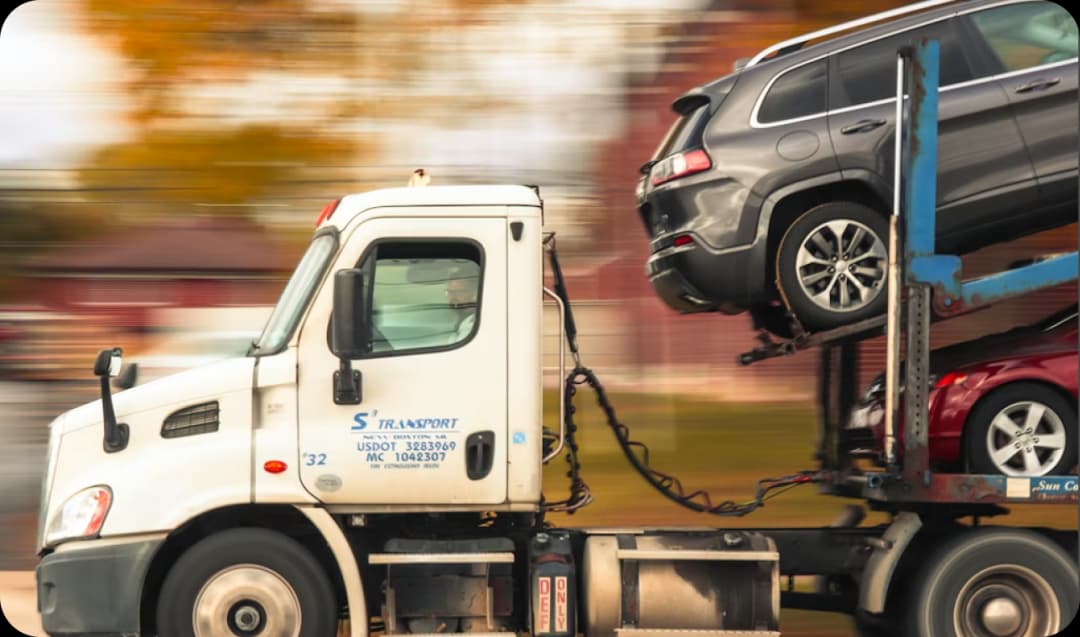
Several factors influence how smoothly a car shipment moves. Weather, traffic, road conditions, vehicle operability, and access limitations all play a role. Seasonal demand can also affect availability and scheduling speed.Understanding these variables helps set realistic expectations and reduces surprises during the shipping process.
How to Avoid Common Car Shipping Issues
Most car shipping issues stem from unrealistic timing expectations or access challenges. Flexible scheduling, accurate pickup information, and readiness at both locations help reduce delays.Early communication and awareness of route conditions support smoother coordination from pickup through delivery.
Common Questions About Shipping a Car


Start the Car Shipping Process
Once planning and expectations are clear, shipment details can be reviewed and pricing confirmed. Scheduling proceeds based on route demand, vehicle information, and availability at pickup and delivery locations.