

Cross Country Car Shipping
Cross-country car shipping is designed for long-distance vehicle transport that spans multiple regions of the United States. Instead of driving thousands of miles, this service allows vehicles to be shipped efficiently across the country using established transport routes.This option is commonly used for relocations, job changes, military moves, online vehicle purchases, and seasonal transitions. Cross-country car shipping simplifies logistics while reducing vehicle wear, travel time, and coordination effort.

How Cross-Country
Car Shipping Works
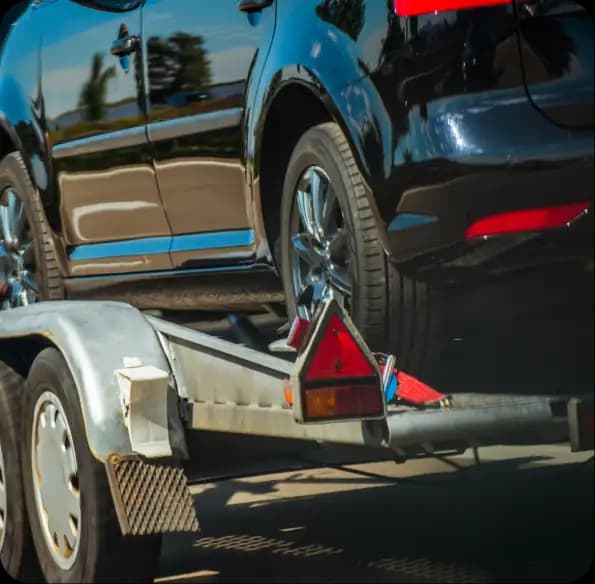
Cross-country car shipping begins with scheduling pickup at the origin location. Once a carrier is assigned, the vehicle is loaded onto a transport trailer and routed along long-distance corridors that connect major regions of the country.During transit, shipment progresses through scheduled route segments based on delivery sequencing and regional demand. Delivery is coordinated as the carrier approaches the destination area, with communication maintained throughout the journey to support clear expectations.
When Cross-Country Auto
Transport Is the Right Choice
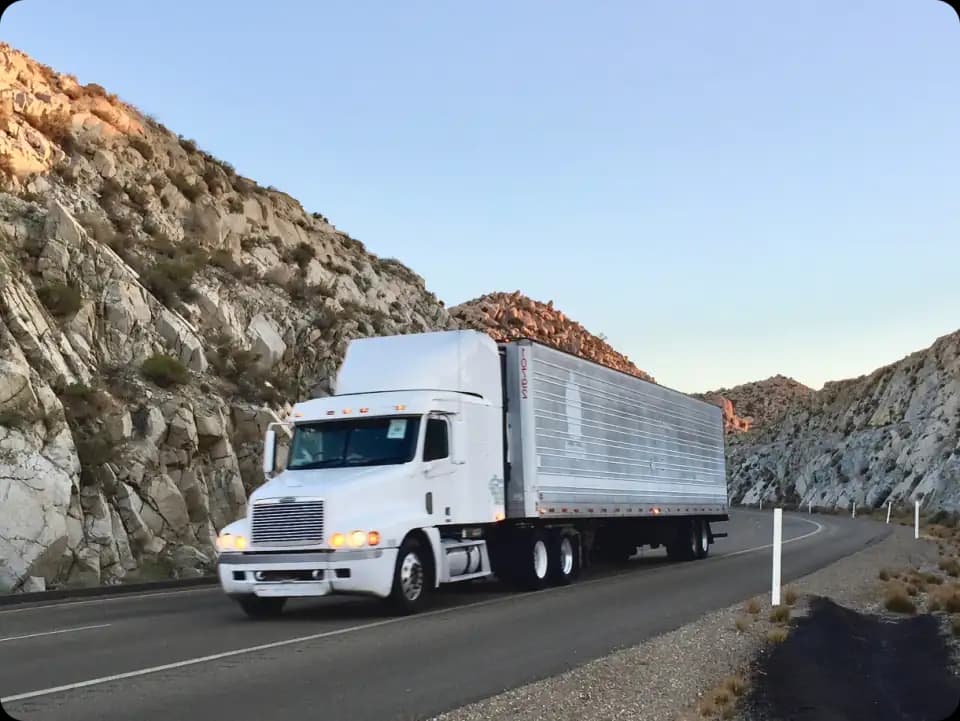
Cross-country auto transport is appropriate when moving vehicles over extended distances, typically from coast to coast or between distant regions. It is commonly used for permanent relocations, long-term work assignments, military transfers, and vehicle purchases completed in other states. This service is also preferred when driving would require multiple days on the road or when weather, time constraints, or vehicle conditions make self-transport impractical.
Cross-Country Shipping vs Driving Across the Country
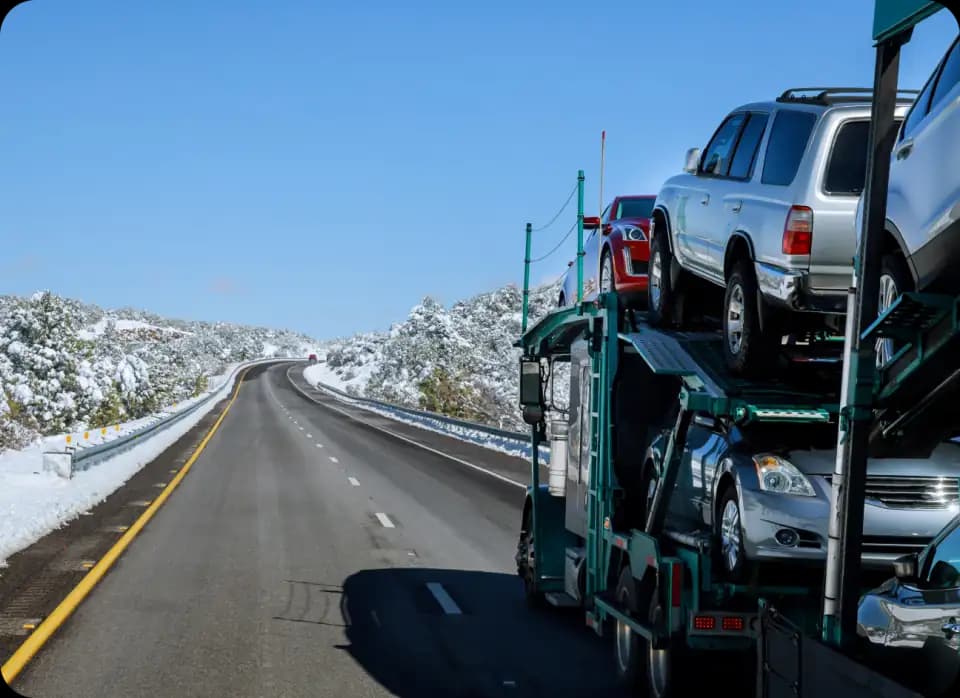
Driving a vehicle across the country adds significant mileage, fuel expenses, lodging costs, and time commitments. Long road trips increase wear on mechanical components and expose vehicles to unpredictable road conditions, traffic delays, and weather patterns.Cross-country auto transport avoids these challenges by moving the vehicle through coordinated logistics routes. This allows owners to focus on their move or travel plans while the vehicle is transported separately and efficiently.
Cross-Country Shipping vs
State-to-State Transport
Cross-country shipping differs from standard state-to-state transport primarily in distance and complexity. While state-to-state shipments may cover shorter regional routes, cross-country transport spans multiple regions and often involves longer transit timelines.Planning flexibility and realistic expectations are more important for long-distance routes, as carriers follow established corridors that serve multiple destinations along the way.
Cross-Country Shipping vs
State-to-State Transport
Cross-country shipping differs from standard state-to-state transport primarily in distance and complexity. While state-to-state shipments may cover shorter regional routes, cross-country transport spans multiple regions and often involves longer transit timelines.Planning flexibility and realistic expectations are more important for long-distance routes, as carriers follow established corridors that serve multiple destinations along the way.




Pricing Factors for
Cross-Country Car Shipping
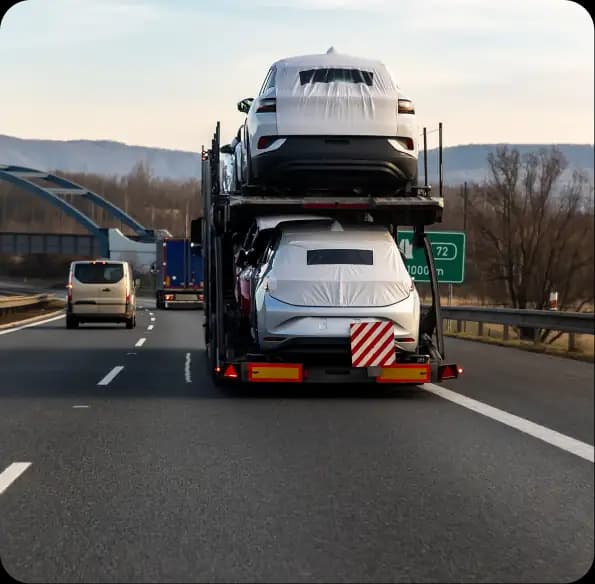
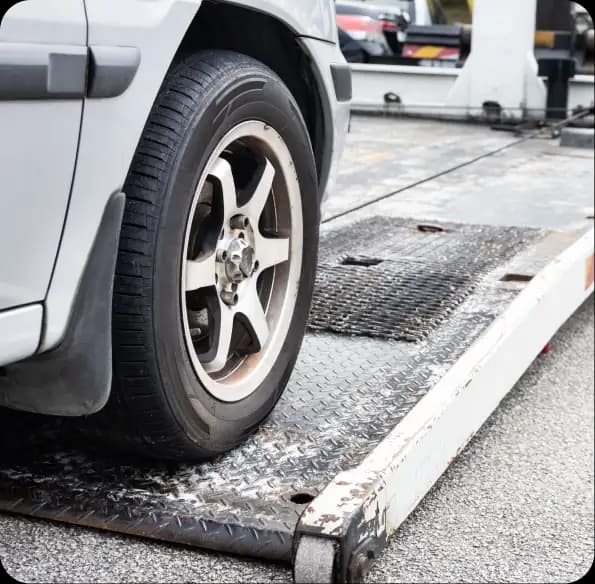
Pricing for cross-country car shipping is influenced by distance, route demand, vehicle size, and seasonal conditions. Long-distance routes often involve multiple regions with varying carrier availability and delivery density.Vehicle type and condition also affect pricing. Larger vehicles take up more trailer space, while inoperable vehicles may require additional equipment for loading. Flexible pickup and delivery windows often help improve scheduling efficiency and overall cost.


Pickup and Delivery Process for Long-Distance Routes
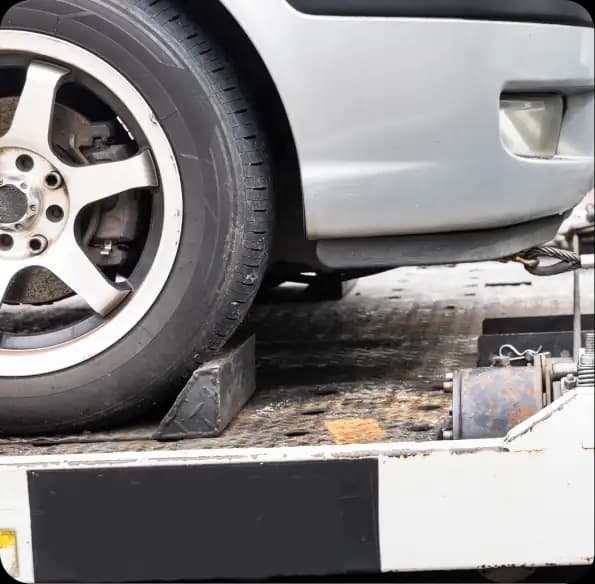
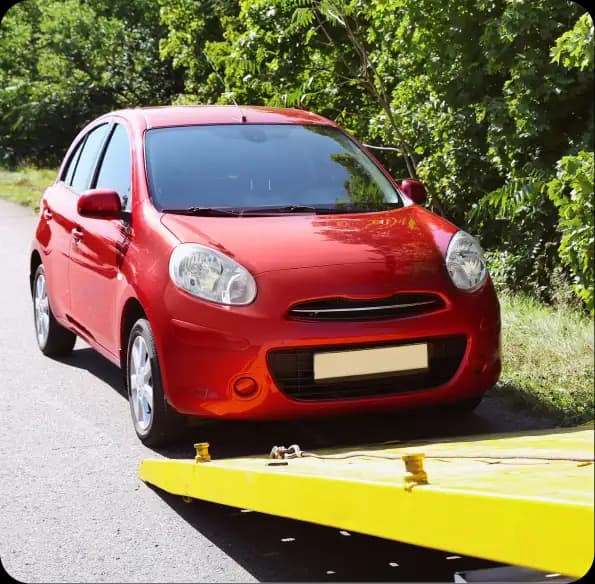
At pickup, the driver performs a visual inspection of the vehicle and documents its condition before loading it onto the transport trailer. This inspection establishes a reference point prior to long-distance transit.Delivery timing is coordinated as the carrier approaches the destination region. Upon arrival, the vehicle is unloaded and a final inspection confirms its condition before the shipment is completed.
Vehicles Commonly Shipped Across
the Country
Cross-country car shipping supports a wide range of vehicles, including sedans, SUVs, pickup trucks, vans, motorcycles, and fleet vehicles. Both personal and business-owned vehicles are regularly shipped using long-distance transport.Oversized, modified, or specialty vehicles may require additional planning due to space, weight, or clearance considerations. Vehicle details are reviewed during scheduling to ensure proper carrier assignment.
Open vs Enclosed Transport for Cross-Country Routes
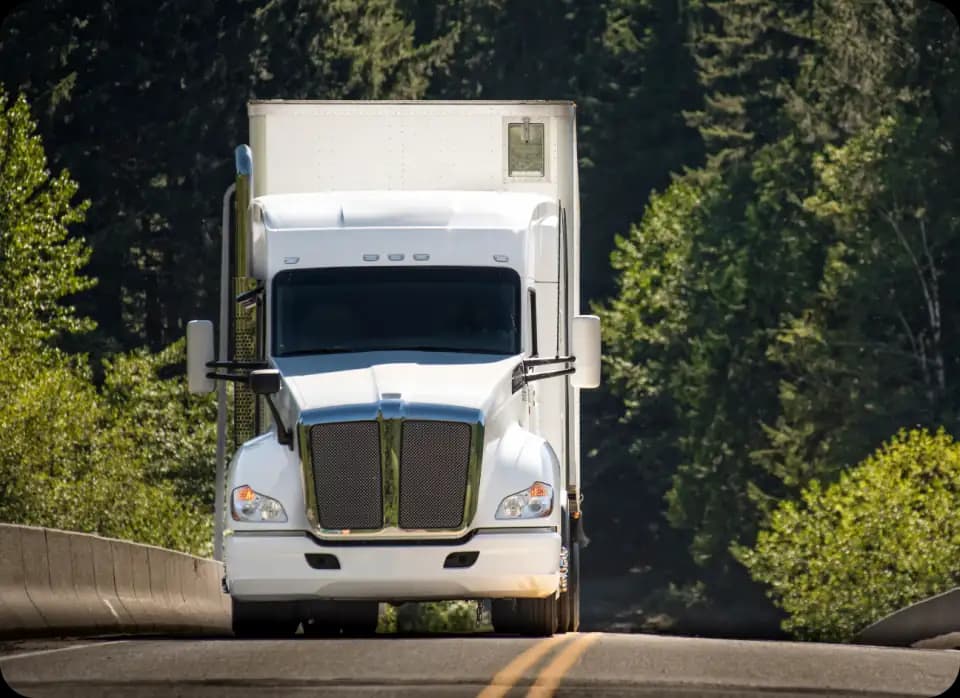
Open auto transport is the most commonly used option for cross-country shipping and is suitable for most standard vehicles. It offers high availability and efficient routing across long distances.Enclosed transport is typically selected for high-value, classic, exotic, or specialty vehicles where minimizing exposure is a priority. The choice depends on vehicle type, condition, and owner preference rather than distance alone.
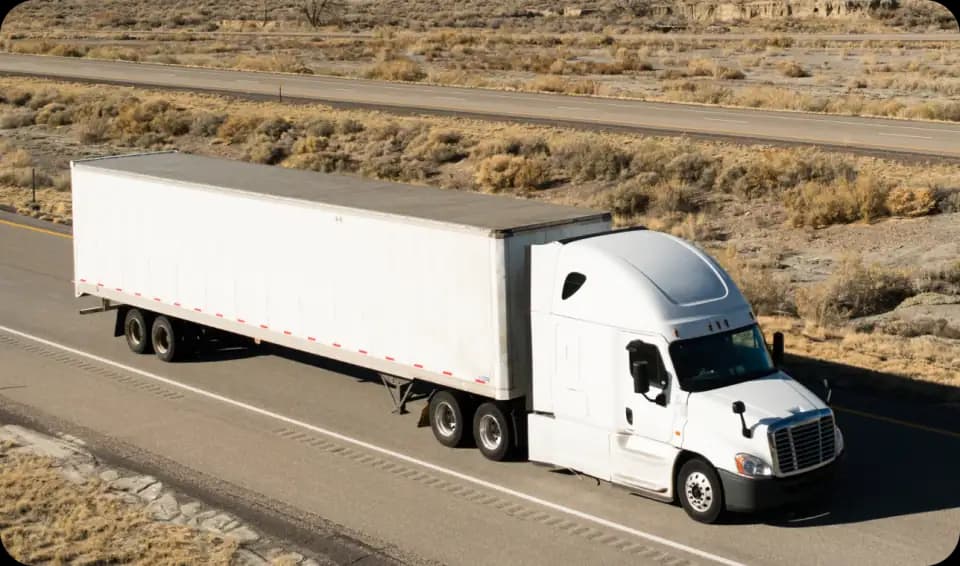

Typical Cross-Country Routesand Corridors
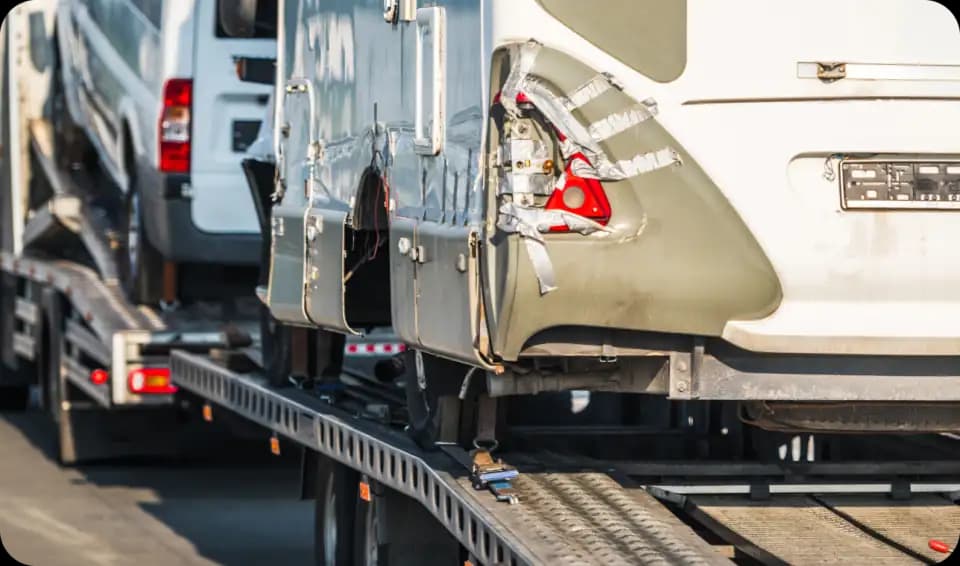
Cross-country shipments often follow major interstate corridors connecting the East Coast, West Coast, Midwest, South, and Southwest. These routes support efficient long-distance movement between population centers and regional hubs.
Because carriers service these corridors consistently, cross-country transport benefits from established infrastructure and predictable routing across most regions.
What Can Affect Cross-
Country Shipping Timelines
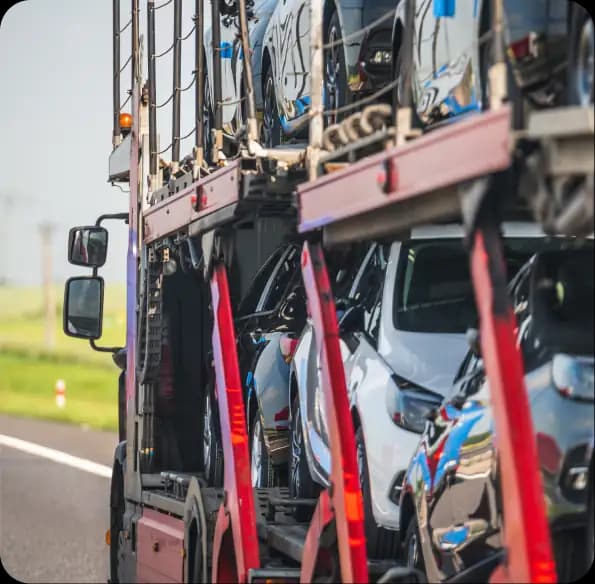
Several factors can influence transit time on cross-country routes, including weather conditions, traffic congestion, regional demand, and seasonal fluctuations. Winter weather in northern regions and summer congestion on major corridors can impact timing.Urban access restrictions, construction zones, and delivery sequencing also affect scheduling. Clear communication and planning flexibility help support smoother long-distance coordination.




Seasonal Considerations for Long-
Distance Car Shipping
Seasonality plays a significant role in cross-country car shipping. Summer months typically see increased demand due to relocations, college moves, and family travel. Winter months often bring snowbird traffic between northern and southern states.Understanding seasonal patterns helps set realistic expectations for scheduling and availability, particularly for long-distance routes.

Common Planning Mistakes with Cross-Country Car Shipping
One common mistake is underestimating the time required for long-distance transport. Cross-country shipments involve extended routes and multiple delivery points, making flexibility important.Another issue is waiting too long to schedule during peak seasons. Providing complete vehicle and access information early supports smoother carrier matching and execution.
Cross-Country Car Shipping for
Individuals
Individuals commonly use cross-country car shipping for relocations, long-term job assignments, military transfers, and seasonal moves. Shipping a vehicle separately allows travelers to focus on flights
or personal logistics instead of extended road trips.
This service reduces travel fatigue and vehicle wear while supporting smoother long-distance transitions.

Cross-Country Car Shipping for
Businesses
Businesses rely on cross-country car shipping to move inventory, fleet vehicles, lease returns, and customer deliveries across regions. Long-distance transport supports expansion, redistribution, and centralized logistics planning. Consistent coordination and predictable routing help businesses manage repeat shipments efficiently.
Nationwide Coverage for Cross-
Country Auto Transport
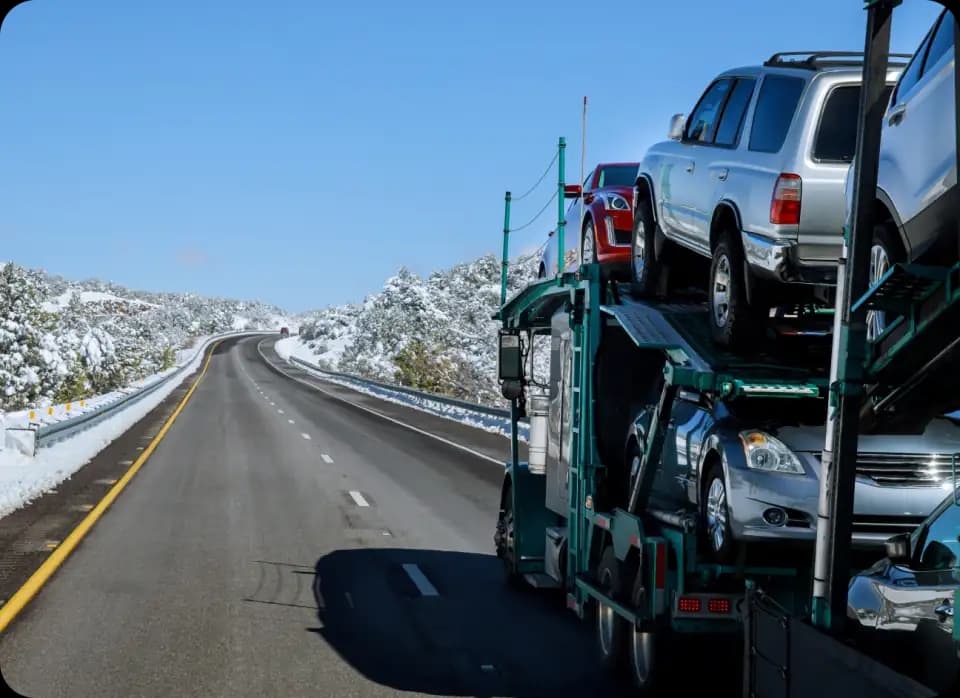
Cross-country car shipping operates across all major regions of the United States, connecting the East Coast, West Coast, Midwest, South, and Southwest. Established carrier routes allow vehicles to move efficiently between distant locations.
Nationwide coverage ensures reliable coordination regardless of origin or destination region.

Why Choose Avorix Auto Transport
for Cross-Country Shipping?
Avorix Auto Transport coordinates cross-country shipments using licensed carriers matched to long-distance routes and vehicle requirements. Each shipment is planned with realistic transit timelines and consistent communication throughout the process.The focus remains on coordination and execution rather than volume-driven dispatching, supporting reliable long-distance vehicle transport nationwide.
Frequently
Asked Questions
How long does cross-country car shipping take?
How long does cross-country car shipping take?
Is door-to-door delivery available for cross-country shipping?
Is door-to-door delivery available for cross-country shipping?
Can inoperable vehicles be shipped across the country?
Can inoperable vehicles be shipped across the country?
Is enclosed transport available for cross-country routes?
Is enclosed transport available for cross-country routes?
Does cross-country shipping cost more than shorter routes?
Does cross-country shipping cost more than shorter routes?
Can multiple vehicles be shipped across the country together?
Can multiple vehicles be shipped across the country together?


Ready to ship your vehicle across the country?Get a clear, upfront quote based on your route, vehicle, and schedule.