

Ship a Car to Another State
Shipping a car to another state is a common need for relocations, vehicle purchases, job changes, seasonal moves, and temporary assignments. Instead of driving long distances, state-to-state auto transport allows vehicles to be moved efficiently while avoiding added mileage, wear, and time on the road.This service coordinates vehicle pickup in one state and delivery in another using established interstate transport routes. Shipping a car to another state simplifies logistics and provides a structured approach to moving vehicles across state lines with clear expectations from start to finish.

How State-to-State Car Shipping
Works
State-to-state car shipping begins by confirming the pickup and delivery locations in different states. Once route details, vehicle information, and timing preferences are reviewed, a licensed carrier operating on the appropriate interstate route is assigned.Pickup is scheduled near the specified location, taking into account road access, safety considerations, and local restrictions. Vehicles are loaded onto the transport trailer and secured using industry-standard equipment.During transit, the carrier follows established interstate corridors. As the shipment approaches the destination state, delivery timing is coordinated in advance. Upon arrival, the vehicle is unloaded and inspected to complete the shipment.
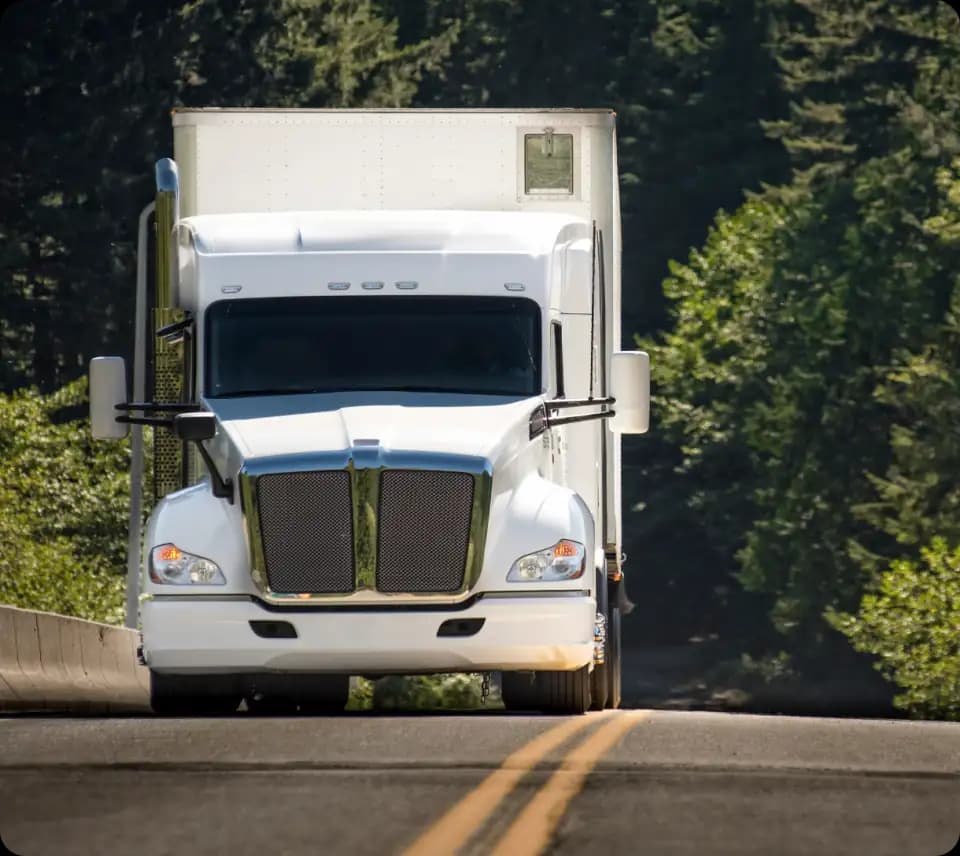
When Shipping a Car to
Another State Makes Sense
Shipping a car to another state is often the most practical option when relocating for work, moving a household, purchasing a vehicle from out of state, or managing a seasonal move.It is also commonly used when driving long distances is impractical due to time constraints, weather conditions, or vehicle condition. Businesses frequently use state-to-state shipping to move inventory, fleet vehicles, or company-owned cars between locations.This service supports both personal and business needs by providing consistent coordination across state lines.
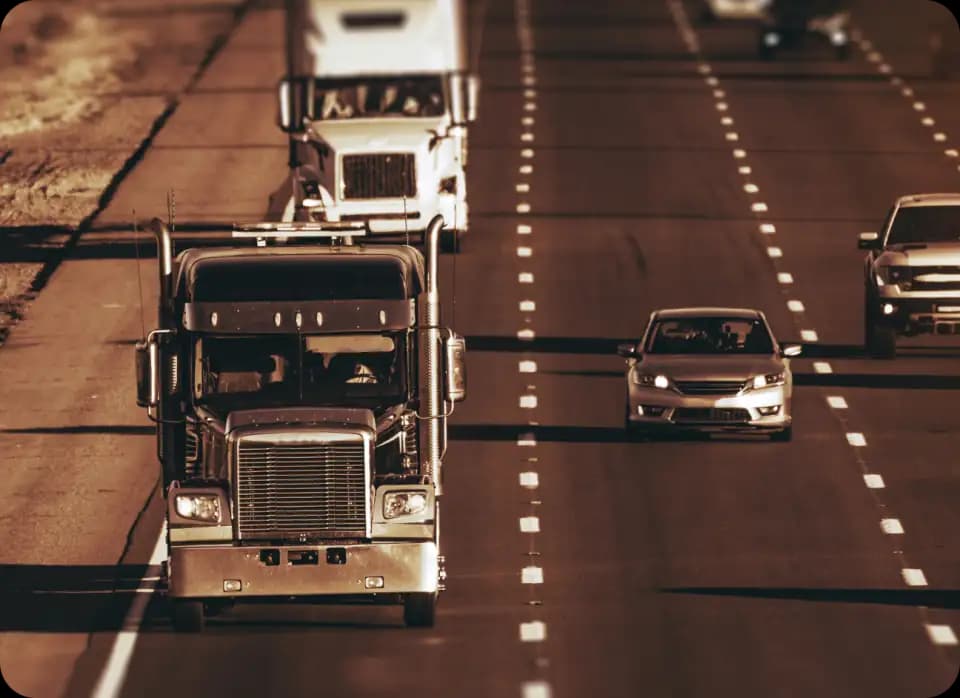
Shipping a Car to Another State vs
Driving the Vehicle
Driving a vehicle across state lines may appear straightforward, but long-distance driving adds mileage, fuel expenses, lodging costs, and time commitments. Road conditions, traffic delays, and weather can also affect vehicle condition.State-to-state auto transport avoids these challenges by moving the vehicle through coordinated transport routes. This allows owners to focus on their move or schedule while the vehicle is handled separately.For many customers, shipping a car to another state provides a more efficient and predictable alternative to extended road travel.
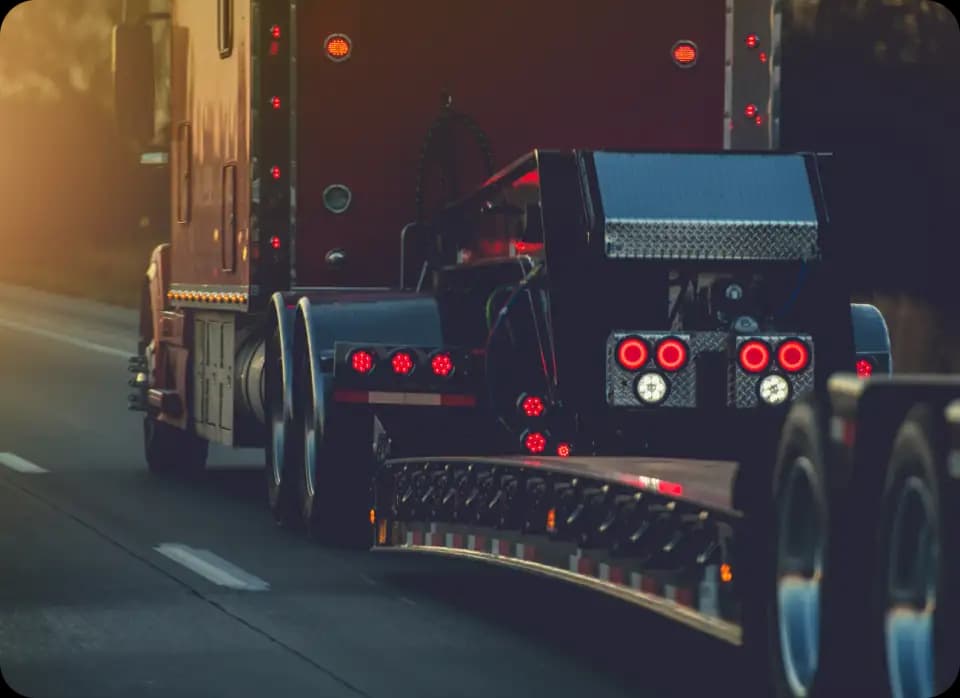
State-to-State Shipping vs Cross-
Country Car Shipping
State-to-state car shipping typically involves shorter or mid-range distances compared to cross-country shipping. Moves between neighboring or nearby states often require less transit time and simpler routing.Cross-country shipping involves longer distances and more complex logistics, often spanning multiple regions. While both services use similar transport methods, expectations around timing and coordination differ.Understanding the difference helps set realistic timelines and ensures the appropriate service is selected based on distance and route complexity.

Neighboring States vs Long Interstate Routes
Shipping a car between neighboring states often benefits from higher carrier availability and more frequent routes. These shipments may be completed more quickly due to shorter distances and direct interstate access.Longer interstate routes may involve multiple delivery points along the carrier's route. Planning flexibility becomes more important for longer shipments to support efficient scheduling. Regardless of distance, state-to-state auto transport relies on established interstate networks that support consistent nationwide coverage.
Pricing Factors for Shipping a Car to Another State
The cost to ship a car to another state depends on several logistical factors. Distance is a primary consideration, along with route demand and carrier availability.Vehicle size affects pricing because larger vehicles take up more space on the trailer. Seasonal demand also plays a role, with higher volume during peak relocation periods.Vehicle condition can influence pricing as well. Inoperable vehicles may require additional equipment, while flexible pickup and delivery windows can help improve scheduling efficiency.
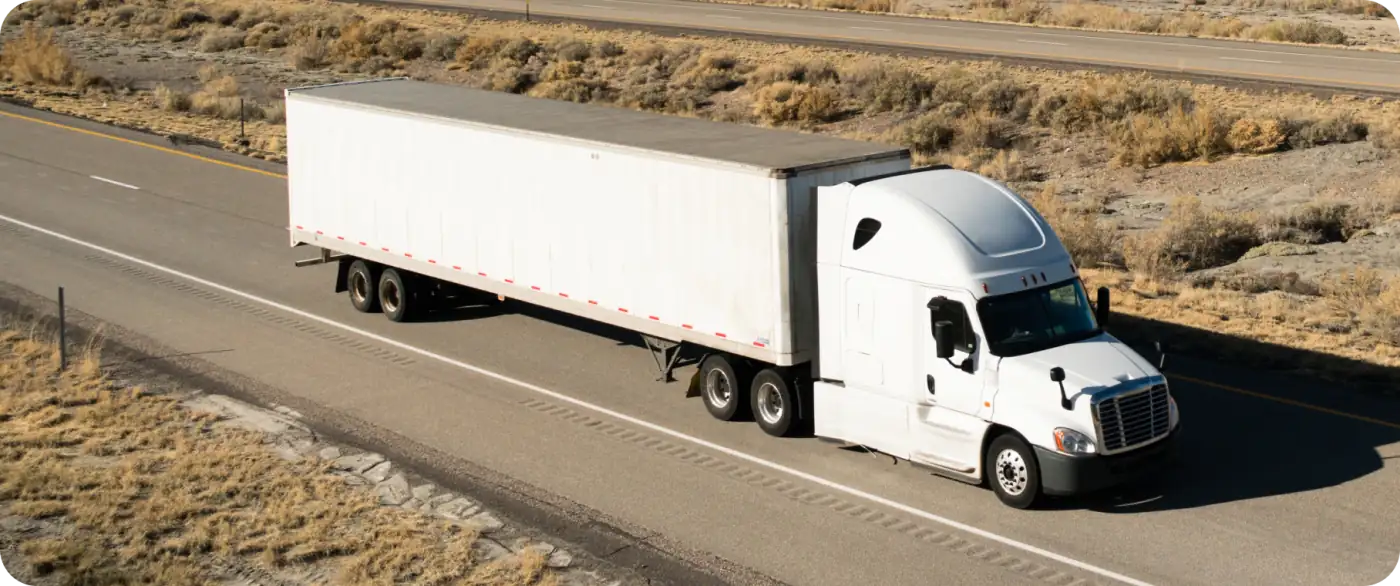

Pickup and Delivery Process Across State Lines
At pickup, the driver performs a visual inspection of the vehicle and documents its condition before loading. This inspection establishes a reference point prior to interstate transport.The vehicle is then loaded and secured on the transport trailer. During transit, the carrier follows interstate routes based on delivery sequencing and destination locations.As the shipment approaches the destination state, delivery timing is coordinated in advance. Upon arrival, the vehicle is unloaded and inspected to complete the process.
Vehicles Commonly Shipped Between States
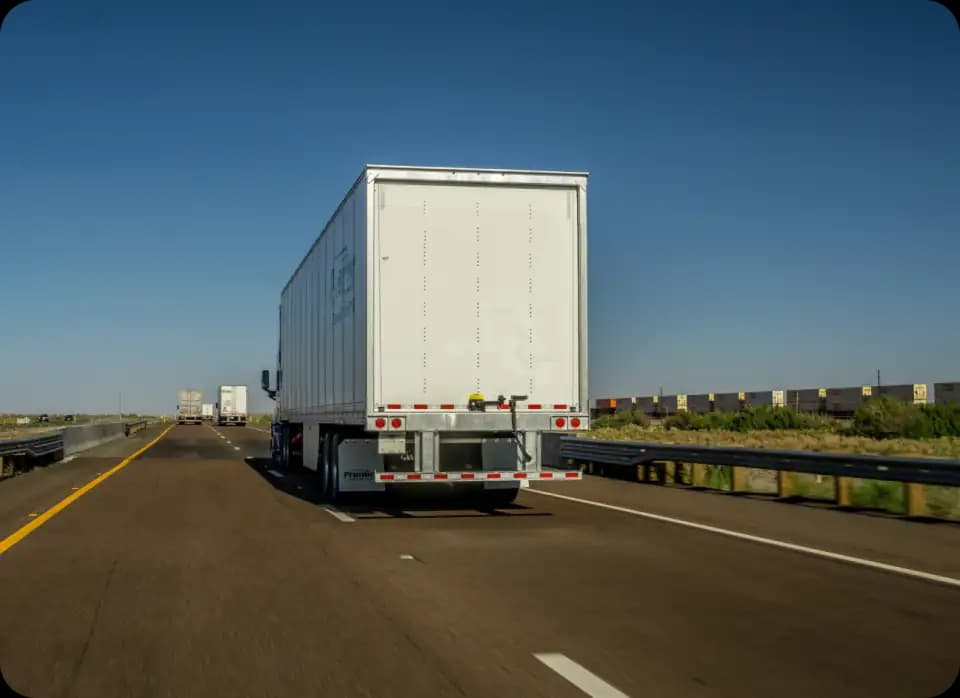
State-to-state auto transport supports a wide range of vehicles, including sedans, SUVs, pickup trucks, vans, motorcycles, and fleet vehicles.Both personal and business-owned vehicles are commonly shipped between states. Vehicle size, condition, and access details are reviewed during scheduling to ensure proper carrier assignment.Oversized or modified vehicles may require additional planning due to space or clearance considerations.
Open vs Enclosed Transport for State-to-State Shipping
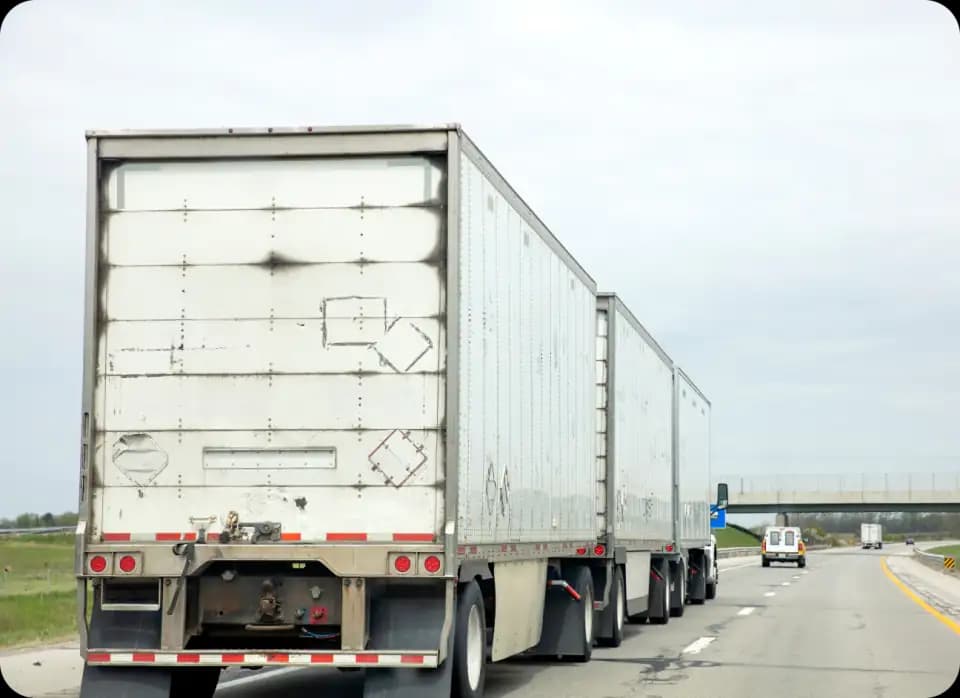
Open auto transport is the most commonly used option for shipping a car to another state. It balances affordability and availability and is suitable for most standard vehicles.Enclosed auto transport is typically selected for high-value, classic, or specialty vehicles where minimizing exposure is a priority. The choice between open and enclosed transport depends on vehicle type, condition, and owner preference rather than distance alone.
What Can Affect State-to-State Shipping Timelines
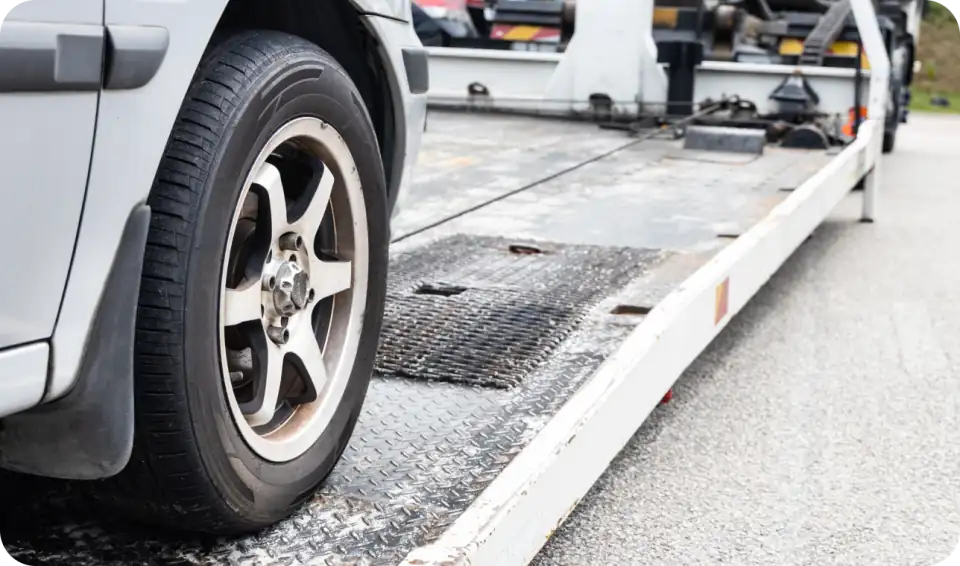
Several factors can influence transit time when shipping a car to another state. Weather conditions, route congestion, and seasonal demand all affect scheduling.Urban access restrictions, narrow streets, or residential regulations may require alternate pickup or delivery locations.Peak seasons such as summer relocations, college moves, and winter snowbird travel can impact carrier availability. Understanding these variables helps set realistic expectations.
Common Mistakes When Shipping a
Car to Another State
One common mistake is waiting too long to schedule shipment, especially during peak seasons. Limited flexibility can reduce carrier options.Providing incomplete or inaccurate vehicle information can also cause delays. Vehicle size, condition, and access details are critical for proper planning.Understanding pickup and delivery access in advance helps avoid last-minute changes and supports smoother coordination.
State-to-State Shipping for Different Situations
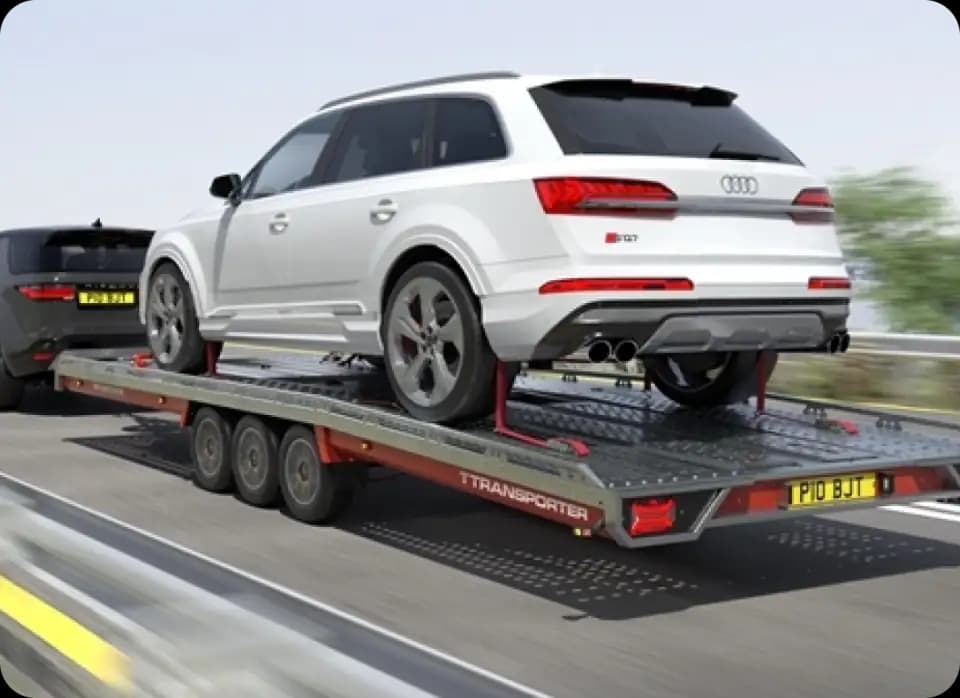
State-to-state car shipping is used for a variety of situations, including job relocations, college moves, military assignments, seasonal travel, and online vehicle purchases.Businesses use this service to move vehicles between offices, dealerships, auctions, and fleet locations.Each situation has different planning timelines and expectations, which are reviewed during scheduling to ensure appropriate coordination.
Nationwide Interstate Auto
Transport Coverage
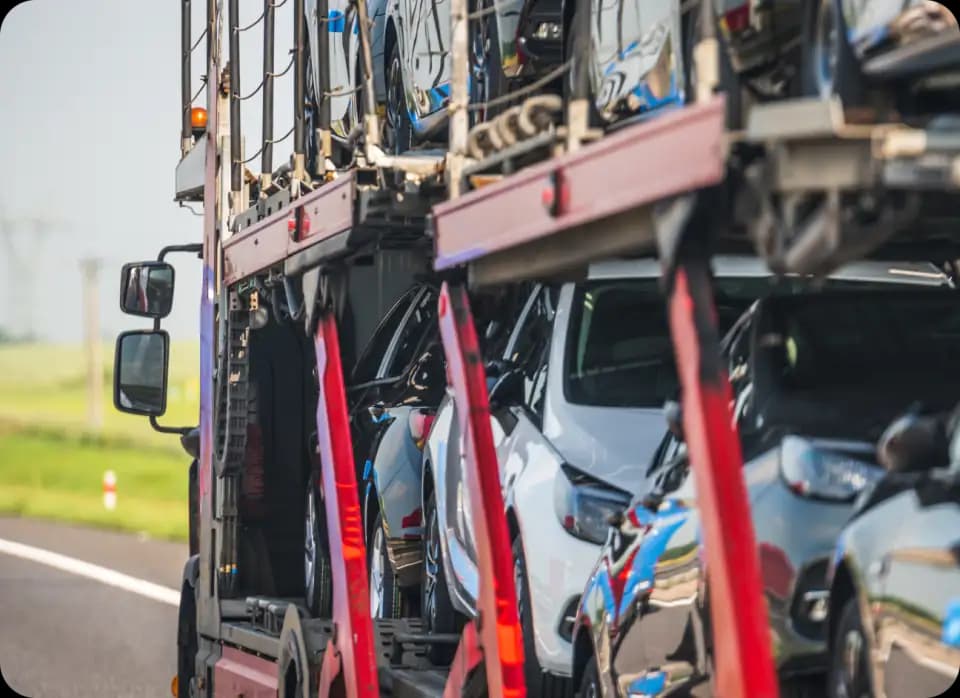
Shipping a car to another state is supported nationwide, covering all major interstate routes across the United States.Established carrier networks allow for consistent service between neighboring states and across regions. Both urban and rural locations are supported, though access considerations may vary.Nationwide coverage ensures reliable coordination regardless of origin or destination state.
Why Choose Avorix Auto Transport for
State-to-State Shipping
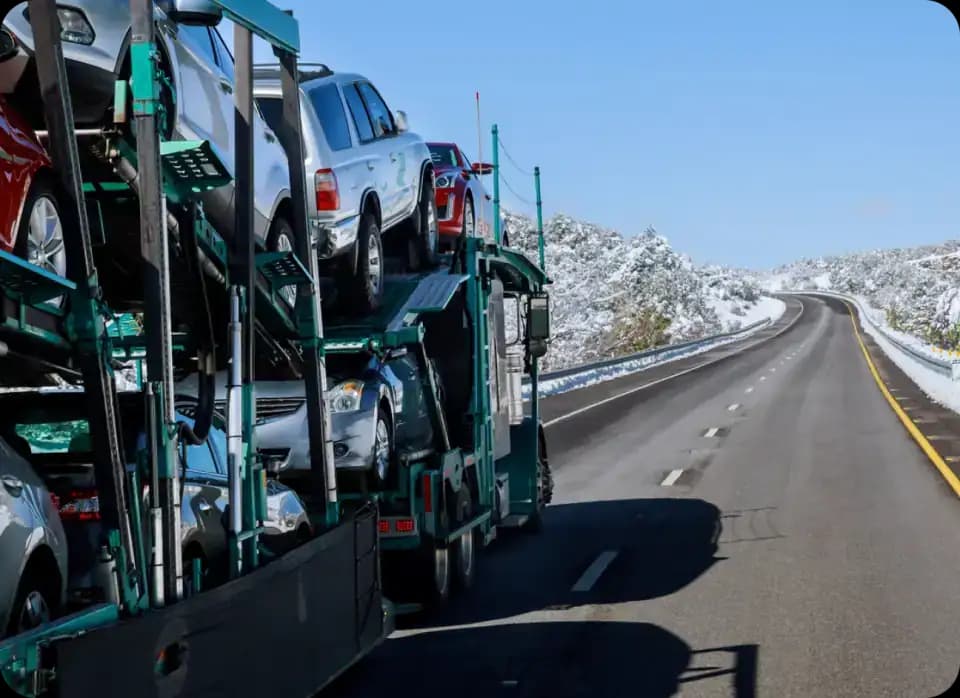
Avorix Auto Transport coordinates interstate shipments using licensed carriers matched to route demand and vehicle requirements.Each shipment is reviewed individually to support realistic scheduling, clear communication, and consistent execution from pickup through delivery.The focus remains on structured coordination rather than volume-based dispatching, helping reduce uncertainty when shipping a car to another state.
FrequentlyAsked Questions
How long does it take to ship a car to another state?
How long does it take to ship a car to another state?
Is door-to-door delivery available for state-to-state shipping?
Is door-to-door delivery available for state-to-state shipping?
Can I ship a car to another state if it does not run?
Can I ship a car to another state if it does not run?
Do I need to be present at pickup or delivery?
Do I need to be present at pickup or delivery?
Is state-to-state shipping cheaper than cross-country shipping?
Is state-to-state shipping cheaper than cross-country shipping?
Can I ship multiple vehicles to another state at once?
Can I ship multiple vehicles to another state at once?


Ready to ship your car to another state?Get a clear, upfront quote based on your route, vehicle, and schedule.