

Terminal to Terminal Auto Transport
Terminal-to-terminal auto transport is a vehicle shipping option where cars are dropped off and picked up at designated transport terminals rather than residential or business locations. This service relies on fixed facilities that serve as centralized hubs for vehicle loading, storage, and dispatch.While door-to-door transport is more common, terminal-to-terminal auto transport can be a practical solution in certain situations. It is typically used when direct access is limited, scheduling flexibility is high, or specific routing requirements make terminal handling more suitable.

How Terminal-to-Terminal Auto Transport Works
Terminal-to-terminal auto transport begins by identifying the nearest available terminals at both the origin and destination locations. Vehicles are delivered by the owner or a designated representative to the departure terminal.Once at the terminal, the vehicle is inspected, documented, and staged for transport. The vehicle is then loaded onto a carrier traveling between terminals. Upon arrival at the destination terminal, the vehicle is unloaded, inspected, and made available for pickup during scheduled hours.

When Terminal-to-Terminal Transport
Is the Right Choice
Terminal-to-terminal transport is most often used when door-to-door delivery is not feasible or not necessary. This includes locations with restricted access, dense urban areas, or destinations where large carriers cannot safely operate.It may also be considered when customers have flexible schedules and can accommodate terminal drop-off and pickup. Businesses and fleet operators sometimes use this option when coordinating shipments through centralized facilities.
Terminal-to-Terminal vs Door-to-
Door Auto Transport
The primary difference between terminal-to-terminal and door-to-door auto transport is convenience. Door-to-door service minimizes handling by bringing the carrier as close as possible to the pickup and delivery locations.Terminal-to-terminal transport requires additional effort from the vehicle owner but may offer scheduling advantages in specific markets. The best option depends on access, flexibility, and route availability rather than distance alone.
Pricing Factors for Terminal-to-Terminal Auto Transport
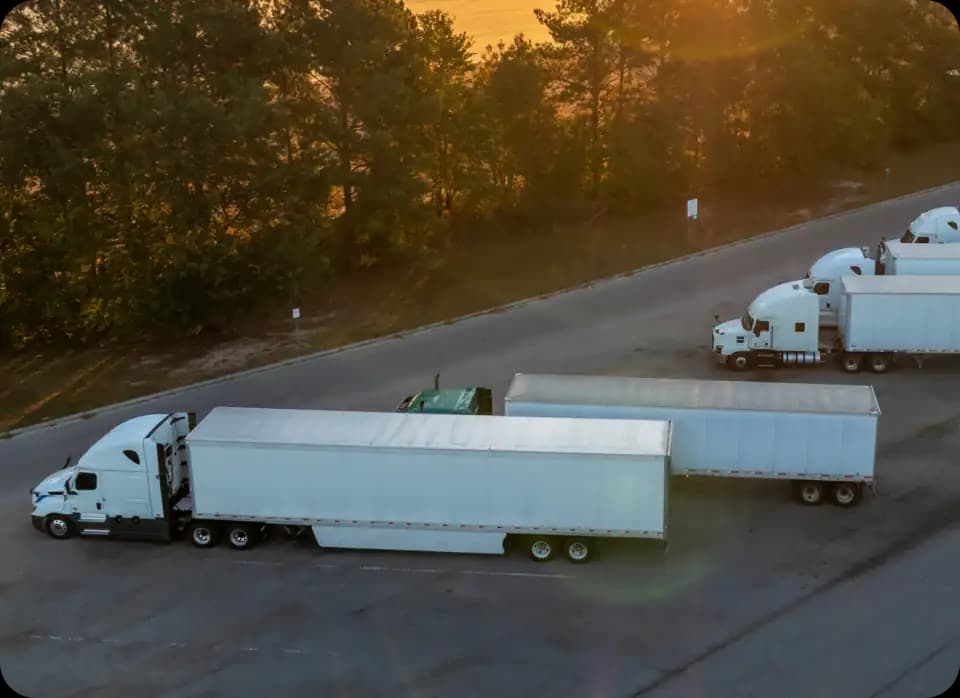
Pricing for terminal-to-terminal auto transport is influenced by distance between terminals, route demand, vehicle size, and terminal availability. While terminal shipping is sometimes perceived as lower cost, pricing varies based on logistics and scheduling.Additional factors include terminal handling fees, storage time, and peak season demand. Accurate vehicle details and flexible timing help support efficient planning and realistic expectations.


Drop-Off and Pickup Process
At the departure terminal, the vehicle is inspected and documented before being accepted for transport. Owners may be required to present identification and shipment details during drop-off.After transport, the destination terminal notifies the owner when the vehicle is ready for pickup. Vehicles must be retrieved within designated timeframes to avoid additional storage considerations. Pickup procedures follow terminal operating schedules and access policies.
Vehicles Commonly Shipped Using Terminal Transport
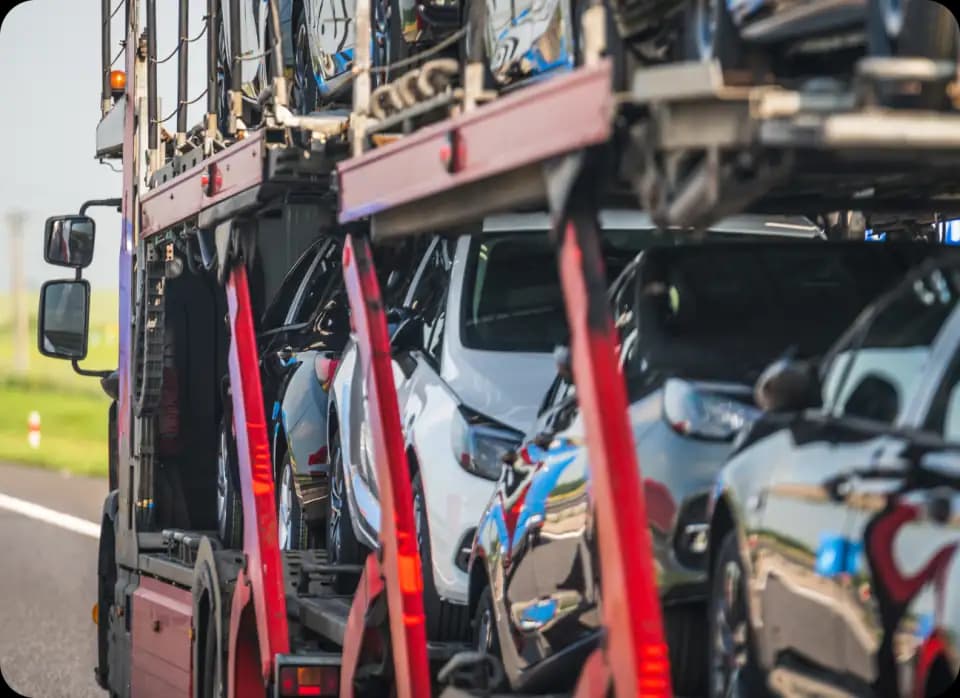
Terminal-to-terminal auto transport supports standard passenger vehicles, including sedans, SUVs, and pickup trucks. Fleet vehicles and business shipments may also use terminal transport when coordinating centralized logistics.Oversized, modified, or inoperable vehicles may require additional review to confirm terminal handling capabilities and equipment compatibility.
Terminal Availability and Location Considerations
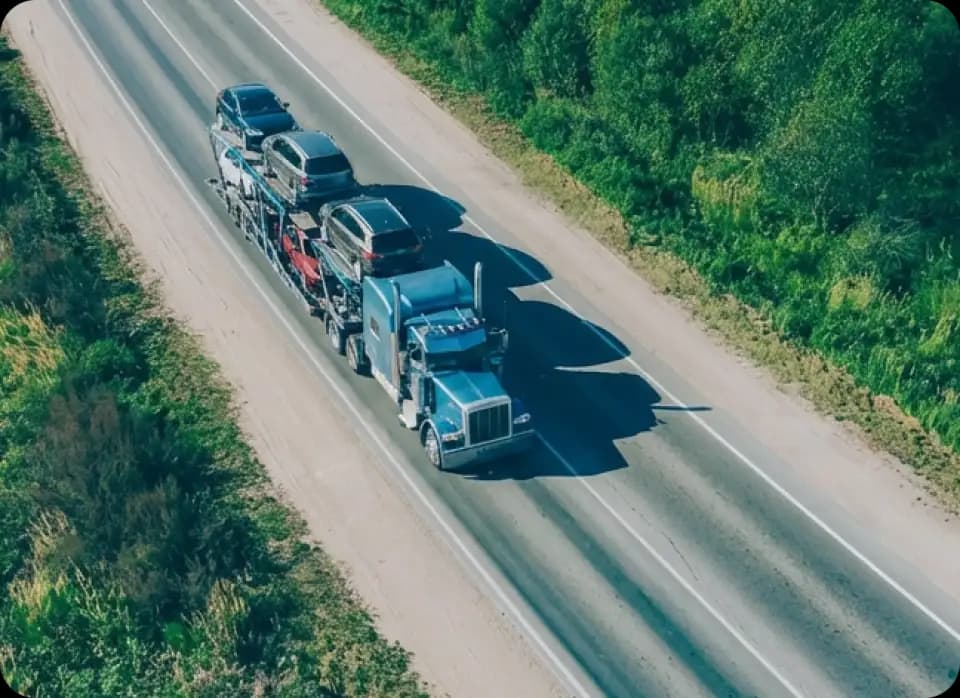
Terminal availability varies by region and route demand. Some areas offer multiple terminal options, while others may have limited or no terminal access.Because terminals operate on fixed schedules, flexibility is important when selecting this transport method. Understanding terminal locations and operating hours helps avoid delays and scheduling challenges.
Nationwide Terminal-to-Terminal
Coverage
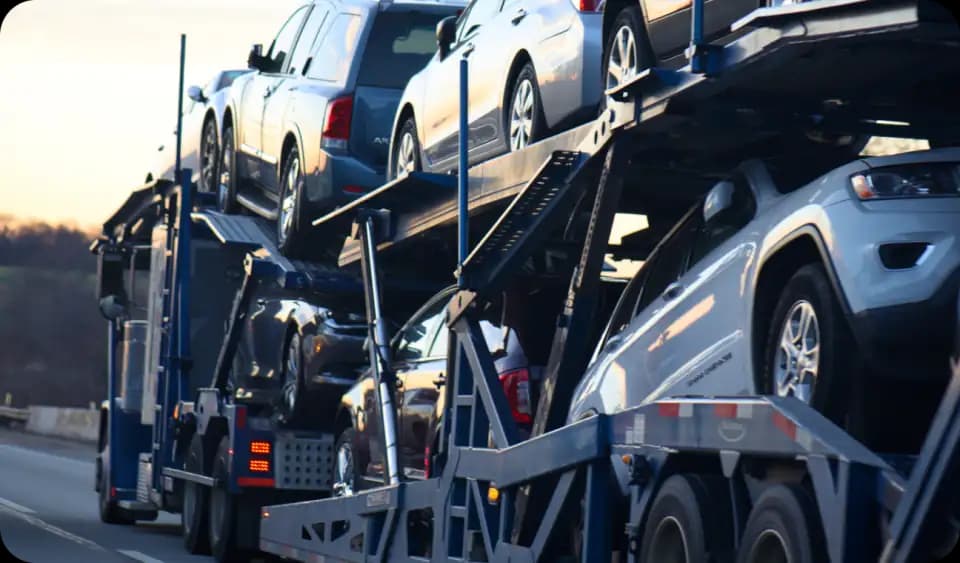
Terminal-to-terminal auto transport is available on select routes nationwide, primarily where established terminal networks operate. Coverage is strongest along major transport corridors and metropolitan regions.Nationwide coordination allows vehicles to move between compatible terminals, though door-to-door service remains more widely available in many areas.
Why Choose Avorix
Auto Transport for Terminal Shipping
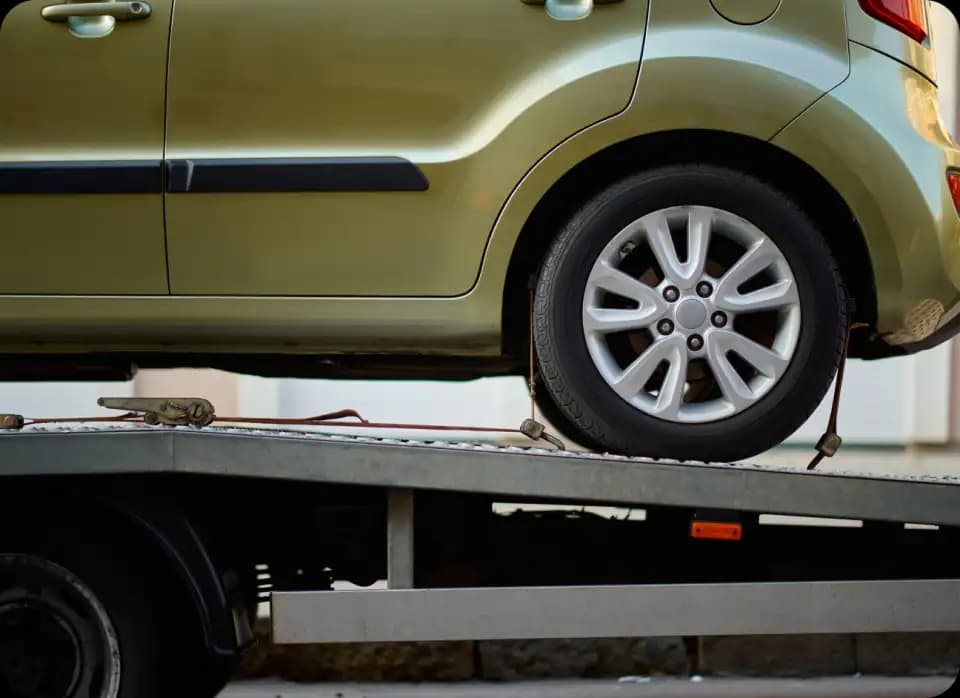
Avorix Auto Transport coordinates terminal-to-terminal shipments by evaluating terminal availability, route demand, and vehicle requirements. Each shipment is reviewed individually to determine whether terminal transport is an appropriate option.Clear communication and structured coordination help ensure that terminal-based shipping is handled efficiently from drop-off through pickup.
FrequentlyAsked Questions
Do I have to drop off my vehicle at a terminal?
Do I have to drop off my vehicle at a terminal?
Is terminal transport cheaper than door-to-door shipping?
Is terminal transport cheaper than door-to-door shipping?
How long can my car stay at a terminal?
How long can my car stay at a terminal?
Are terminals available everywhere?
Are terminals available everywhere?
Can inoperable vehicles be shipped terminal-to-terminal?
Can inoperable vehicles be shipped terminal-to-terminal?
Is terminal-to-terminal shipping available nationwide?
Is terminal-to-terminal shipping available nationwide?


Considering terminal-to-terminal auto transport?Get a clear, upfront quote based on your route, vehicle, and terminal availability.