

How Pickup and Delivery Day Works
Pickup and delivery day are the points where coordination becomes visible. This is when the carrier arrives, the vehicle is inspected, and responsibility for the vehicle is transferred. Timing, access, and communication determine whether these handoffs occur smoothly or require adjustment.Knowing how pickup and delivery day works helps reduce missed handoffs, delays, and last-minute confusion.

Pickup and Delivery Are Scheduled in Time Windows
Car shipping pickup and delivery are scheduled within time windows rather than exact appointment times. This allows carriers to manage traffic, routing, and previous stops along their route. Fixed appointment times are rarely practical in vehicle transport logistics.Availability during the scheduled window is essential. Limited availability or strict timing requirements can result in rescheduling.
Carrier Arrival and Day-Of Communication
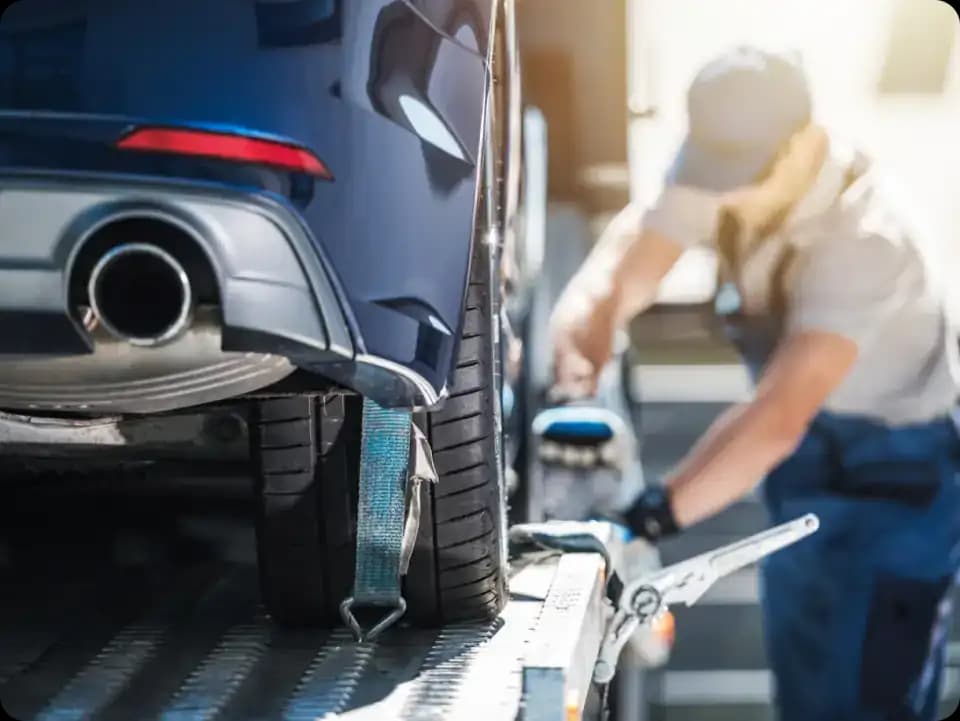
As the carrier approaches the pickup or delivery location, communication typically increases. Drivers may contact the designated point of contact to confirm access, timing, and the meeting location.Clear communication on the day of pickup or delivery helps align arrival timing, especially in areas with access restrictions or limited parking.

Vehicle Inspection at Pickup
At pickup, the vehicle undergoes a visual inspection to document its condition. Existing cosmetic damage is noted before loading. This inspection establishes the reference point used again at delivery.A reasonably clean exterior allows the inspection to be completed accurately and efficiently.
Loading the Vehicle
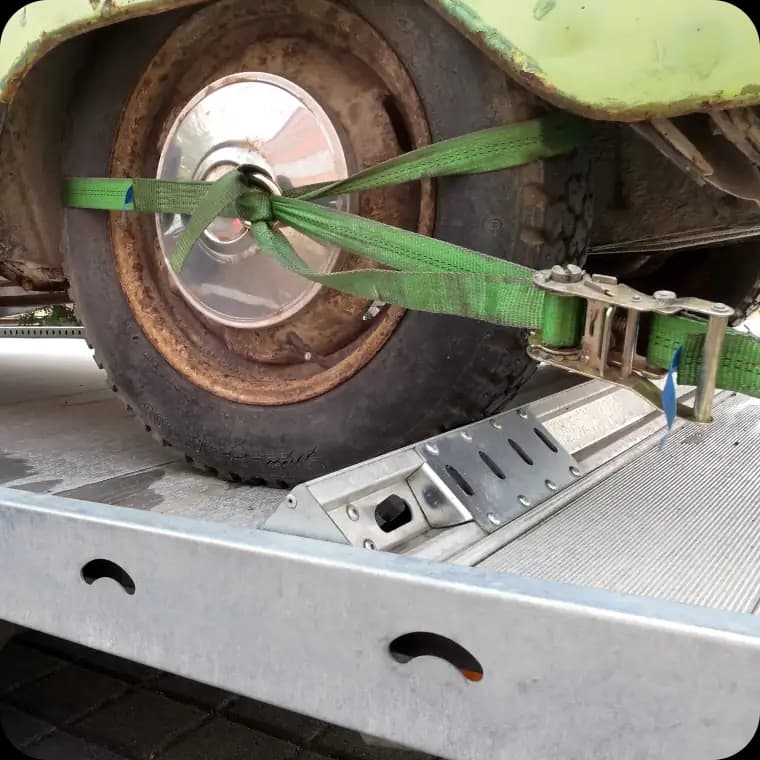
After inspection, the vehicle is loaded onto the carrier's trailer using ramps or lift equipment. The vehicle is then secured to prevent movement during transit.Loading time varies depending on vehicle size, operability, and trailer configuration. Once secured, the vehicle continues along the carrier's planned route.

What Happens After Pickup
After pickup, the vehicle moves through transit as part of the carrier's scheduled route. Multiple vehicles are often transported at the same time, with stops occurring in a sequence determined by routing and delivery order.Communication is typically limited during transit and increases again as delivery approaches.
Delivery Timing and Coordination
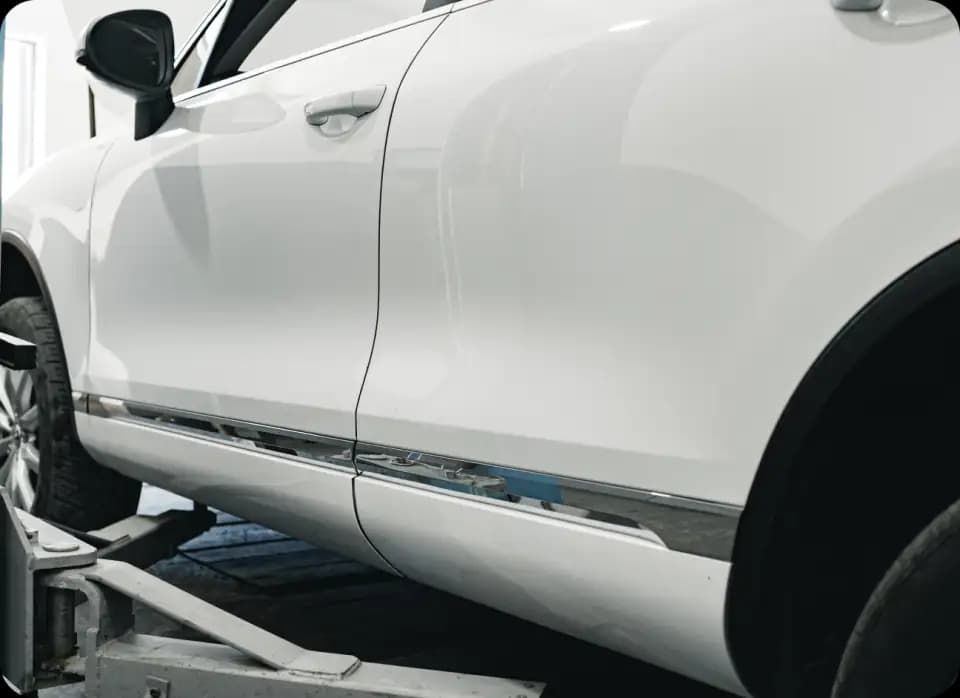
As the carrier nears the destination, delivery timing is coordinated within a delivery window. Access at the delivery location is reviewed to ensure unloading can occur safely.If direct access is not possible, a nearby meeting location may be used. Flexibility helps avoid last-minute changes.



Vehicle Inspection at Delivery
At delivery, the vehicle is inspected again and compared to the pickup inspection record. This confirms that the vehicle's condition is consistent with what was documented before transport.Once the inspection is completed and confirmed, the vehicle is released to the recipient.
Common Pickup and Delivery Day Issues
Most pickup and delivery issues involve access limitations, unavailable contacts, or rigid timing expectations. Residential restrictions, parking limitations, and traffic conditions can all affect arrival timing.Planning access and remaining available during the scheduled window reduces the likelihood of delays.

How Pickup and Delivery Fit Into the Full Process
Pickup and delivery day are part of a broader car shipping process that includes planning, scheduling, carrier assignment, and transit. Understanding how these stages connect helps align expectations throughout the shipment.A complete overview of the process is available on the Car Shipping Process page.

Related Process Pages
Continue through related process guidance for pickup preparation, timing expectations, and scheduling changes.
Before Car Shipping Pickup
Vehicle readiness and access planning before the carrier arrives.
How Long Does Car Shipping Take
Transit time ranges and scheduling expectations.
Car Shipping Delays and Scheduling
Common delay factors and timing adjustments.
Pickup and Delivery Day FAQs
Do I need to be present on pickup or delivery day?
Do I need to be present on pickup or delivery day?
Can pickup or delivery happen earlier or later than expected?
Can pickup or delivery happen earlier or later than expected?
What happens if the carrier cannot access my location?
What happens if the carrier cannot access my location?
How long does pickup or delivery usually take?
How long does pickup or delivery usually take?
What should I check during the delivery inspection?
What should I check during the delivery inspection?
What happens if no one is available during the delivery window?
What happens if no one is available during the delivery window?


Prepare for Pickup and Delivery Day
Clear communication, access planning, and availability during scheduled windows help ensure pickup and delivery proceed smoothly. Understanding how handoff works reduces confusion and supports timely completion.