

Door to Door Auto Transport
Door-to-door auto transport is one of the most convenient ways to ship a vehicle nationwide. Instead of dropping off or picking up your car at a terminal, the transport carrier comes directly to your pickup and delivery locations whenever it is legally and safely possible.This service is widely used for relocations, online vehicle purchases, seasonal moves, and business shipments. Door-to-door auto transport reduces handling, simplifies logistics, and limits the amount of coordination required from the customer while still allowing flexibility when access limitations exist.

How Door-to-Door
Auto Transport Works
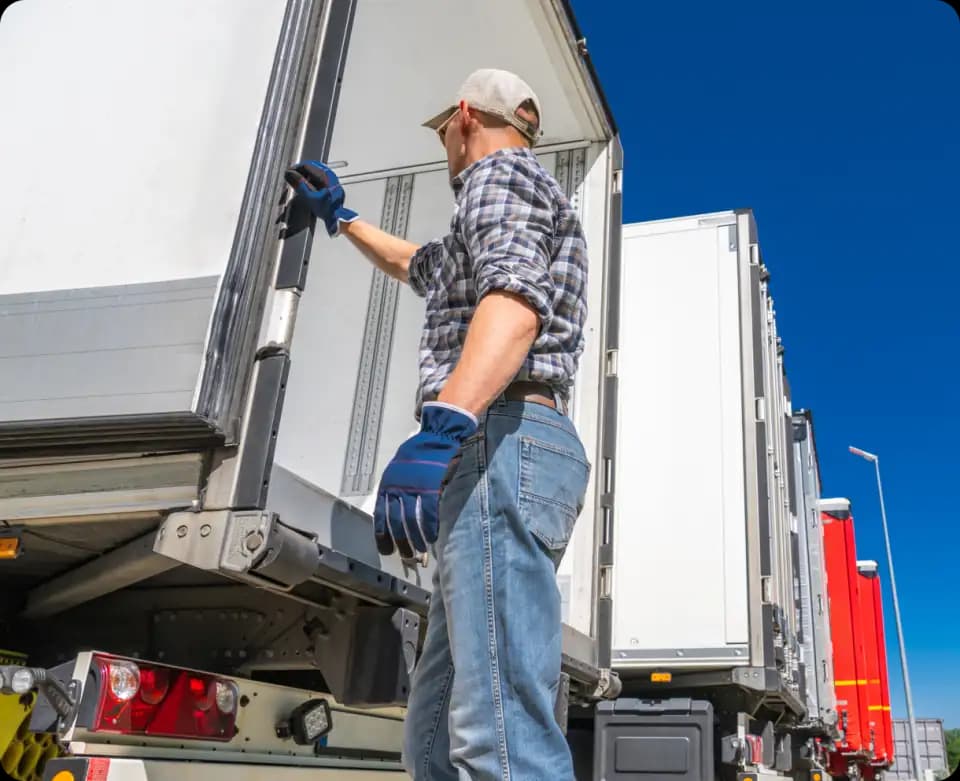
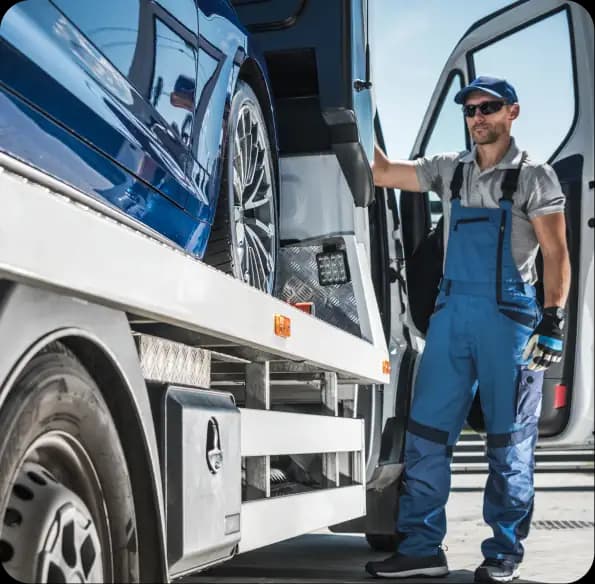
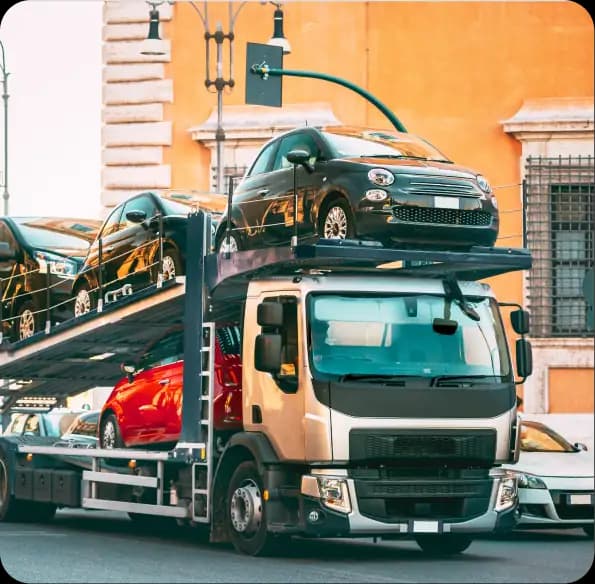
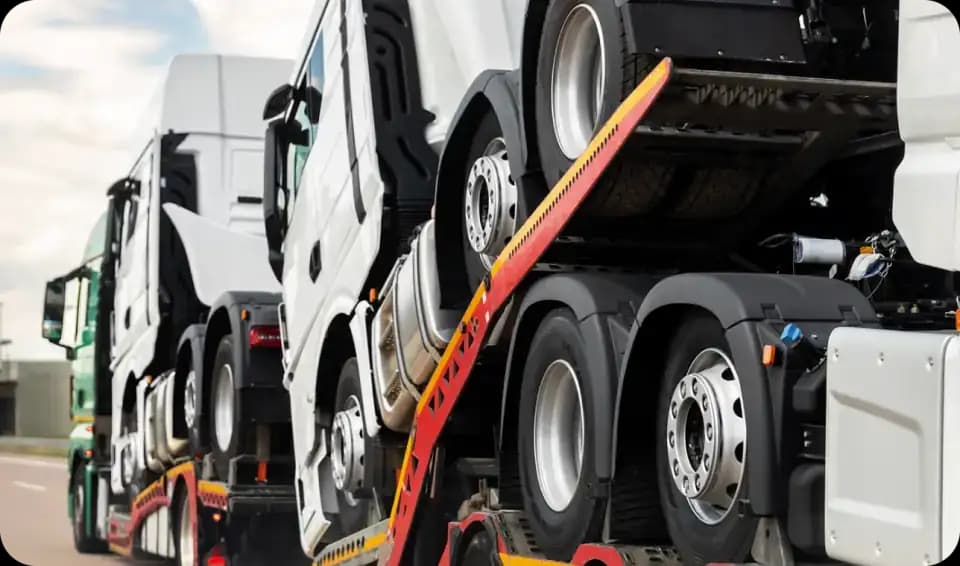
Door-to-door auto transport begins by identifying pickup and delivery locations that can accommodate a vehicle transport truck. Once a carrier is assigned, the driver coordinates pickup timing and arrives as close to the specified address as allowed by road access, safety conditions, and local regulations.If residential streets, low bridges, narrow roads, or city restrictions prevent direct access, the carrier coordinates a nearby meeting point such as a shopping center, open lot, or wide intersection. After pickup, the vehicle is transported toward the destination, with communication maintained throughout the process to support proper timing and coordination.
When Door-to-Door Auto
Transport Is the Right Choice
Door-to-door auto transport is ideal for customers who want a straightforward shipping experience with minimal disruption to their schedule. It is commonly used for standard passenger vehicles, household relocations, dealer purchases, and corporate moves where time and convenience matter.This service works best when pickup and delivery locations allow truck access or when suitable nearby alternatives are available. For most shipments, door-to-door transport provides the best balance between convenience, efficiency, and scheduling flexibility.

Door-to-Door vs Terminal-to-Terminal Auto Transport
Door-to-door auto transport differs from terminal-to-terminal shipping in how vehicles are handled before and after transit. Terminal shipping requires vehicles to be dropped off and picked up at designated facilities, which can add travel time and coordination for the customer.Door-to-door service eliminates this extra step by coordinating pickup and delivery near your specified locations. While terminal shipping may be suitable in limited scenarios, door-to-door transport is generally preferred due to reduced handling and improved convenience.
Pricing Factors for
Door-to-Door Auto Transport
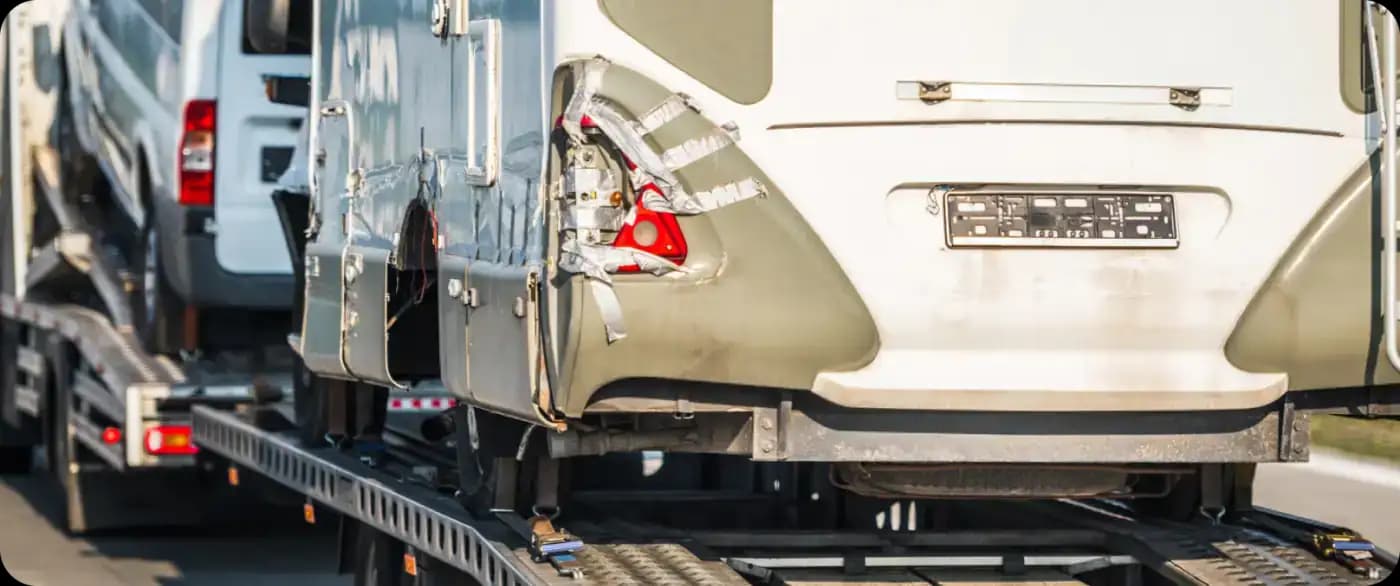
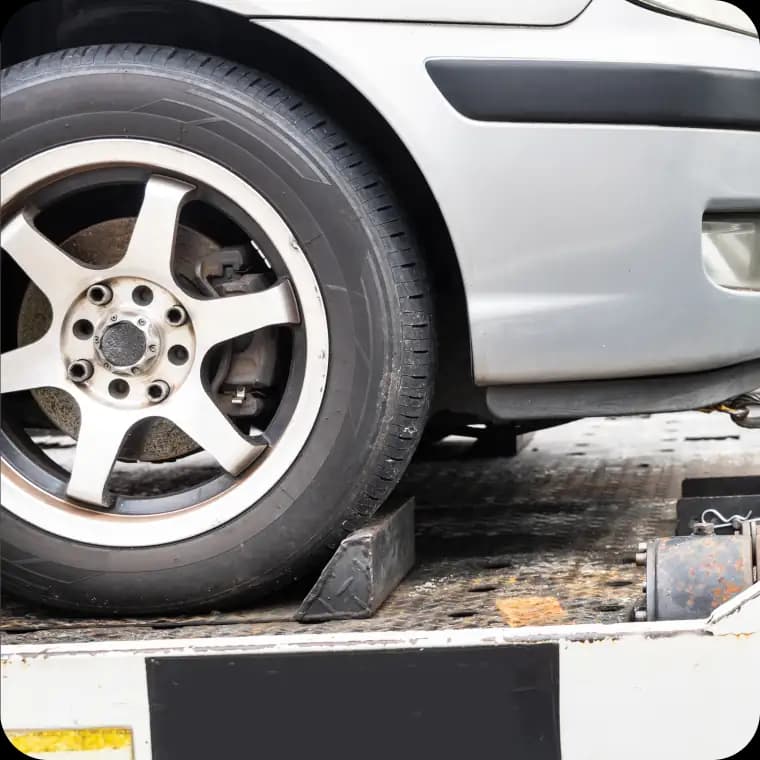
Pricing for door-to-door auto transport is based on logistical factors rather than a flat rate. Distance is a primary consideration, along with route demand and seasonal conditions that affect carrier availability.Vehicle size and condition also influence pricing. Larger vehicles take up more trailer space, while inoperable vehicles may require additional equipment for loading. Urban versus rural access can also affect cost, as certain locations require additional coordination to ensure safe pickup and delivery.
Pickup and Delivery Process
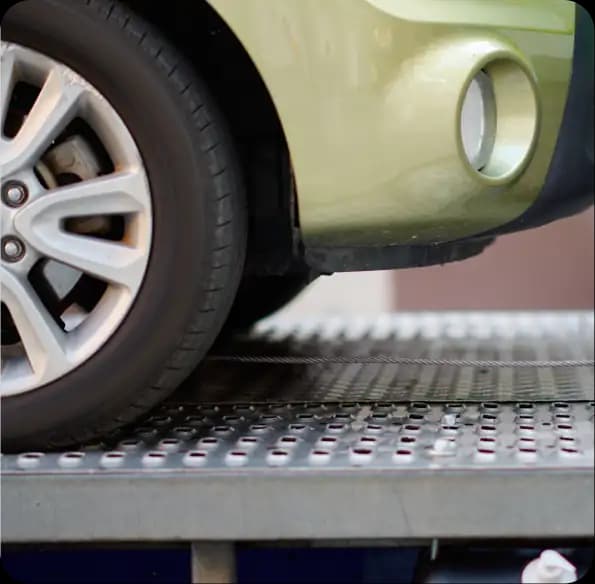
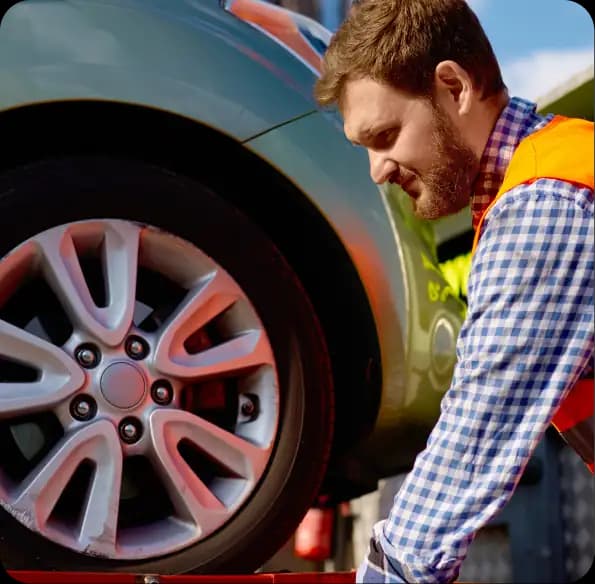
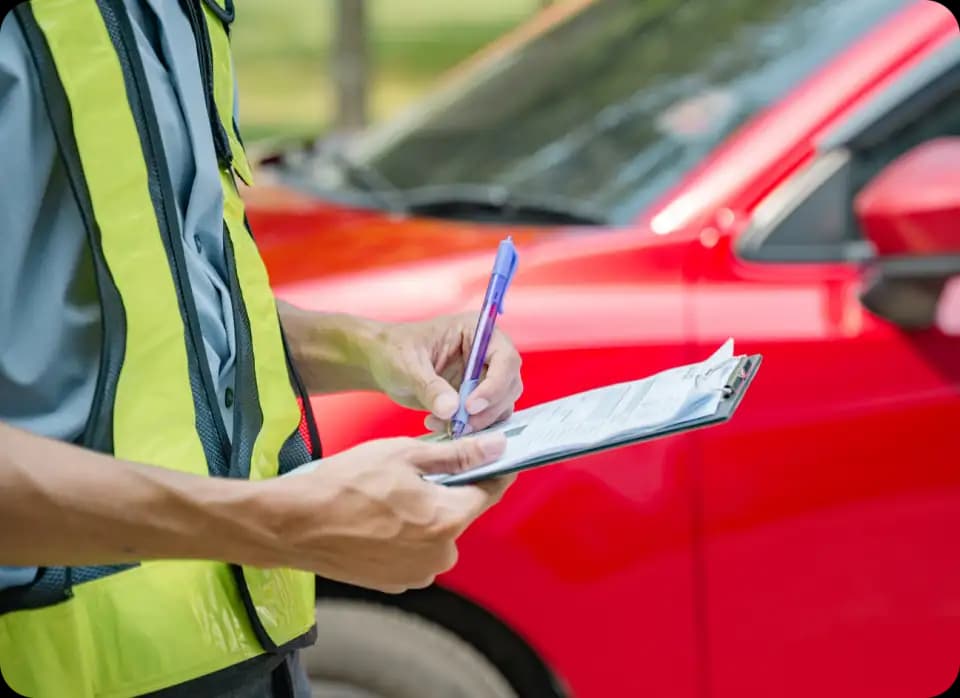
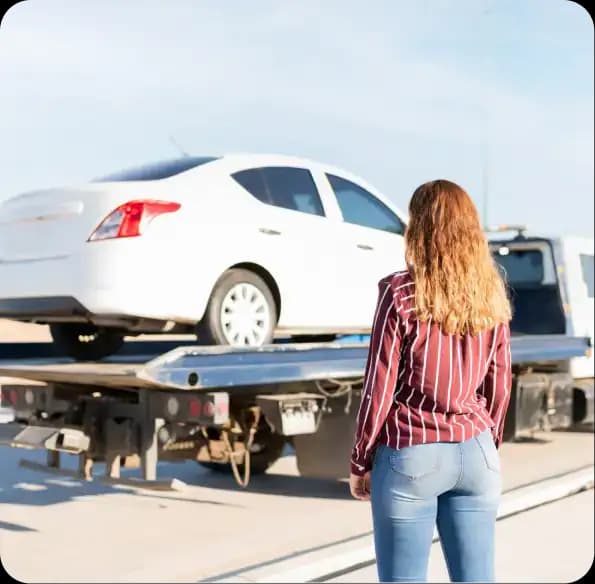
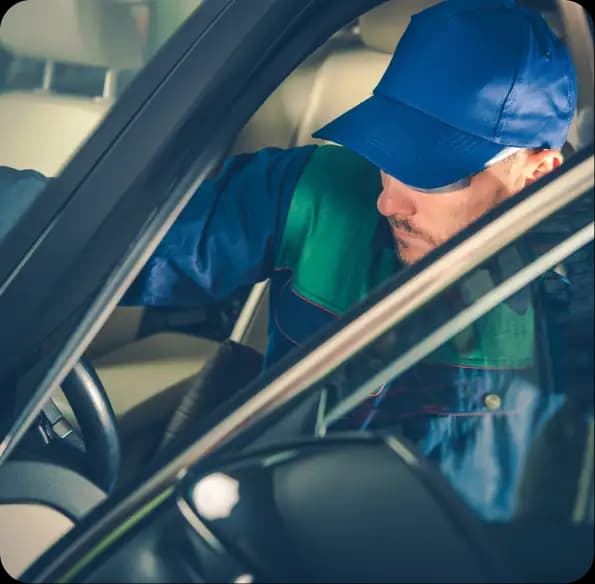
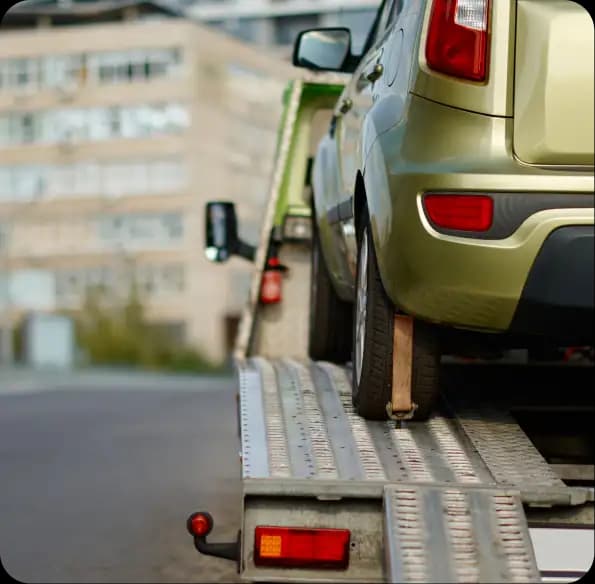
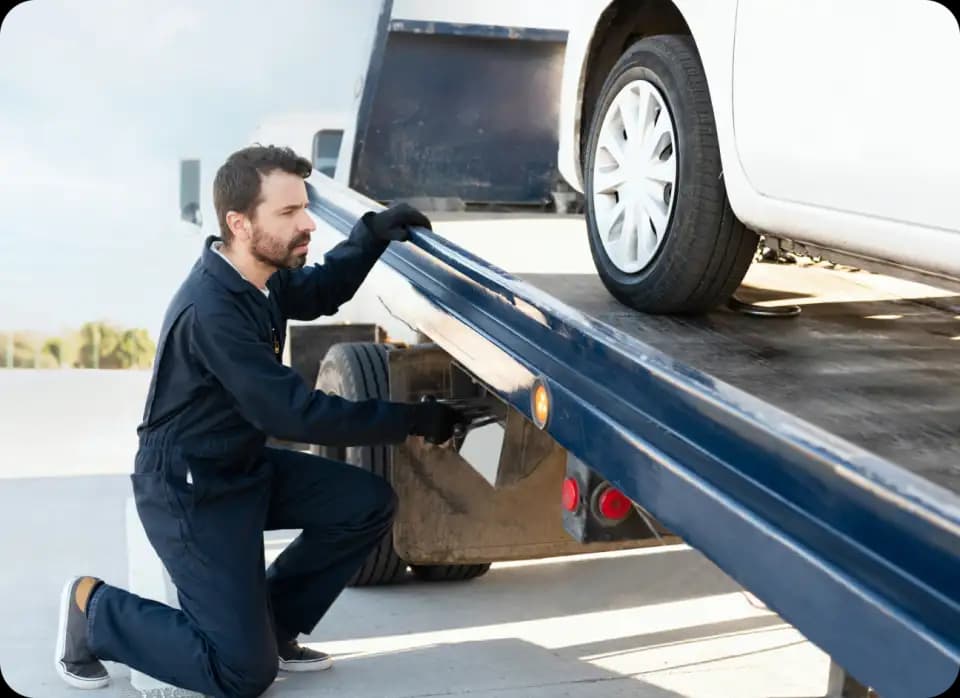
At pickup, the driver performs a visual inspection and documents the vehicle's condition before loading it onto the transport trailer. This inspection establishes a clear record prior to transit and helps ensure transparency throughout the shipment.During delivery, the driver coordinates arrival timing and unloads the vehicle at the agreed-upon location or a nearby access point if needed. A final inspection is completed to confirm the vehicle's condition before the shipment is finalized.



Door-to-Door Transport for Different Vehicle Types
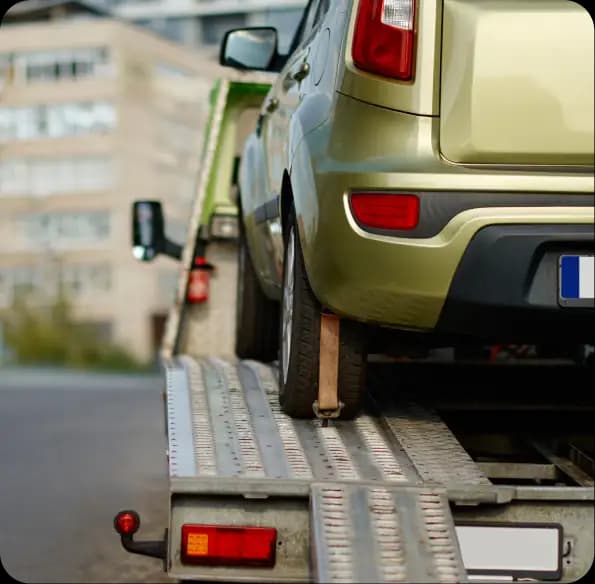
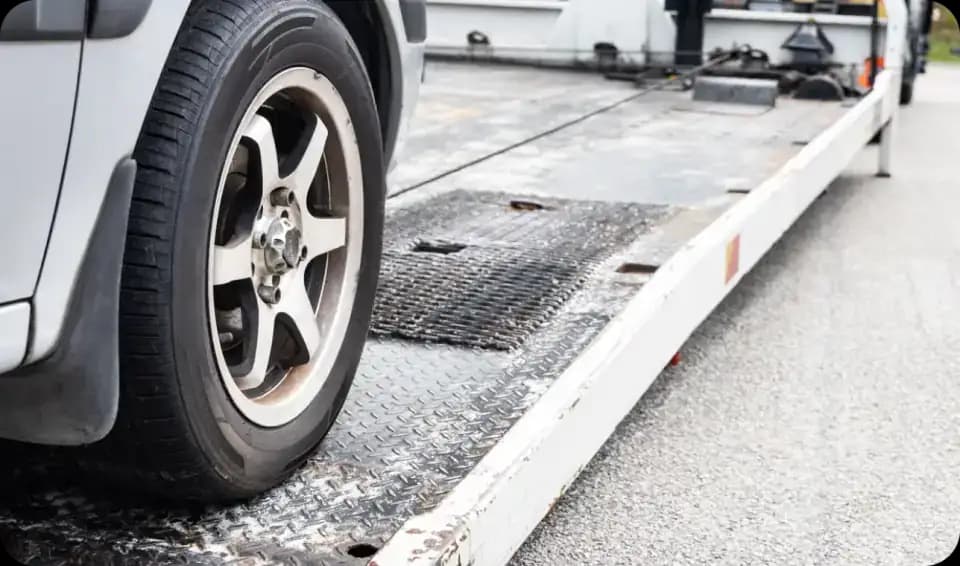
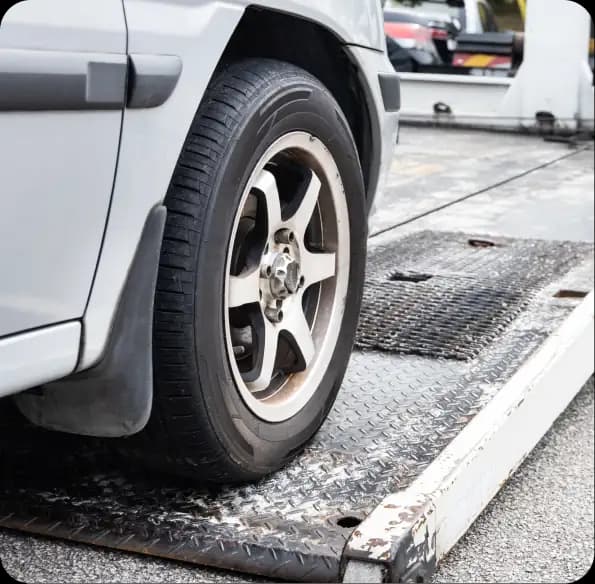
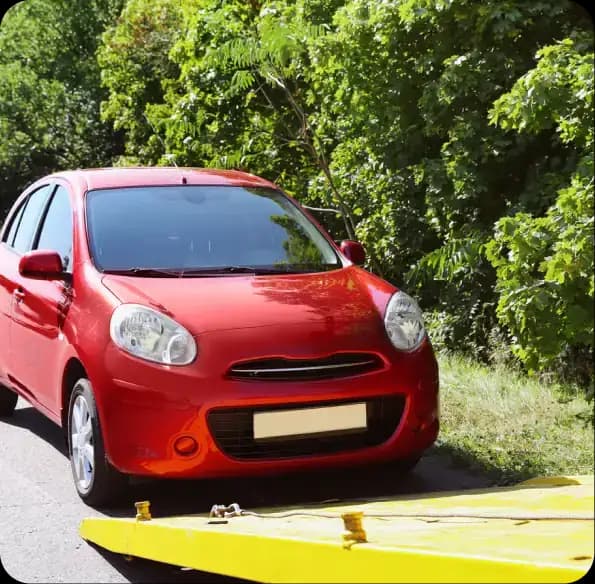
Door-to-door auto transport is suitable for a wide range of vehicle types, including sedans, SUVs, pickup trucks, vans, and motorcycles. This service can be paired with open or enclosed transport depending on the level of protection required.Oversized or specialty vehicles may require additional planning to ensure proper loading and route access. Vehicles that do not run can still be shipped door-to-door using specialized equipment designed for safe loading and unloading.
Door-to-Door Auto Transport for
Short and Long Distance Moves
Door-to-door auto transport is used for both short-distance and long-distance shipments. Regional moves between nearby states often benefit from faster scheduling and more frequent carrier availability.Long-distance and cross-country shipments involve longer transit times and more complex routing but still follow the same door-to-door coordination process. Planning flexibility and realistic timing expectations help ensure smooth execution for longer routes.
Urban, Suburban, and Rural Delivery Considerations
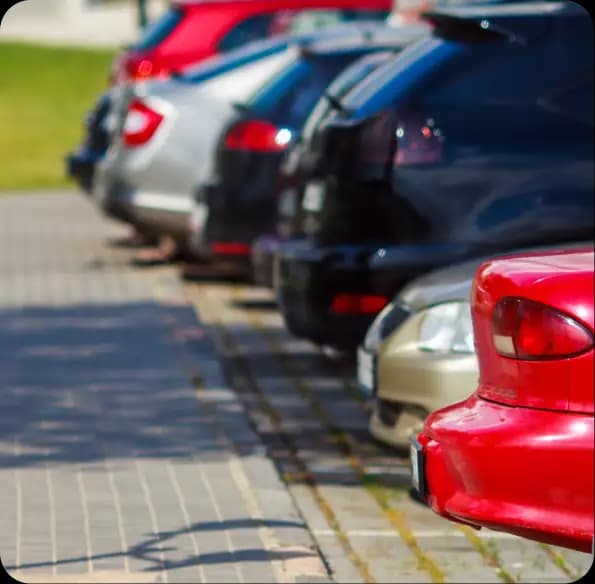
Urban areas may have restrictions related to street width, parking regulations, or low bridges that affect truck access. In those cases, nearby meeting points are commonly used to ensure safe and legal pickup or delivery.Suburban locations typically offer better access, while rural areas may require additional planning due to long driveways or unpaved roads. Understanding access limitations in advance helps reduce delays and last-minute changes.
What Can Affect Door-to-Door Auto Transport Scheduling
Several factors can influence scheduling for door-to-door auto transport, including weather conditions, traffic congestion, seasonal demand, and route density. Peak seasons such as summer relocations and winter snowbird travel can impact carrier availability.Local access issues, construction zones, and residential regulations may also affect pickup and delivery timing. Clear communication and flexibility help support efficient coordination.


Common Planning Mistakes with Door-to-Door Auto Transport
One common mistake is assuming a large transport truck can access any residential street. Planning for alternate meeting points helps avoid delays.Another issue is waiting too long to schedule transport, especially during peak seasons. Complete vehicle and access information in advance supports proper carrier assignment and smoother execution.
Door-to-Door Auto Transport for Individuals
Individuals commonly use door-to-door transport for relocations, seasonal moves, college-related shipping, and online vehicle purchases. The convenience of direct pickup and delivery reduces coordination during already busy transitions.This service allows individuals to focus on their move or travel plans while the vehicle is transported separately.
Door-to-Door Auto Transport for Businesses
Businesses use door-to-door auto transport to move inventory, fleet vehicles, lease returns, and customer deliveries. Direct pickup and delivery help reduce downtime and simplify logistics.Consistent coordination and predictable scheduling support repeat shipments and ongoing transport needs.
Nationwide Door-to-Door Auto Transport Coverage
Door-to-door auto transport is available throughout the United States, including most urban, suburban, and rural areas. While direct access depends on road and safety conditions, nearly all locations can be served directly or through nearby meeting points.This nationwide availability makes door-to-door transport suitable for state-to-state moves, regional relocations, and coast-to-coast shipping.
Why Choose Avorix Auto Transport
for Door-to-Door Shipping
Avorix Auto Transport coordinates door-to-door shipments using licensed carriers matched to route demand and vehicle requirements. Each shipment is planned individually to align with pickup access, delivery expectations, and realistic transit timelines.The focus is on consistency and communication rather than volume-based dispatching, supporting reliable scheduling and smoother execution from pickup through delivery.
Auto Transport
Frequently Asked Questions
Is door-to-door auto transport available everywhere?
Is door-to-door auto transport available everywhere?
Do I need to be present at pickup or delivery?
Do I need to be present at pickup or delivery?
Can door-to-door shipping be combined with enclosed transport?
Can door-to-door shipping be combined with enclosed transport?
How long does door-to-door auto transport take?
How long does door-to-door auto transport take?
Is door-to-door shipping more expensive than terminal shipping?
Is door-to-door shipping more expensive than terminal shipping?
Can inoperable vehicles be shipped door-to-door?
Can inoperable vehicles be shipped door-to-door?


Ready to ship your vehicle
with door-to-door auto transport?Get a clear, upfront quote based on your route, vehicle, and delivery preferences.