

Open vs Enclosed Shipping Cost
Open and enclosed transport differ primarily in cost structure, capacity, and routing availability. While both methods follow the same overall car shipping process, pricing varies due to how vehicles are loaded, protected, and routed along carrier lanes.Understanding the cost differences between open and enclosed shipping helps align transport choice with vehicle value, route conditions, and budget expectations.
How Transport Method Affects Car Shipping Cost
Transport method influences pricing because it affects how many vehicles a carrier can transport, how routes are structured, and how specialized the equipment must be. Open carriers typically move more vehicles per route, while enclosed carriers transport fewer vehicles with additional protection.These structural differences directly affect pricing, independent of service quality or reliability.
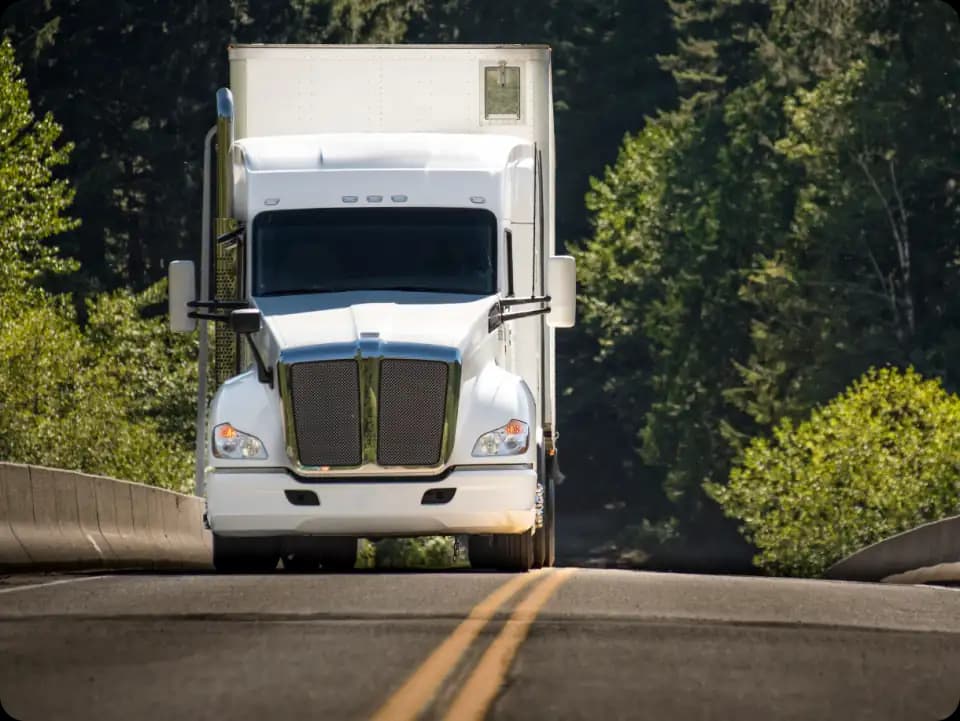
Open Car Shipping Cost Structure
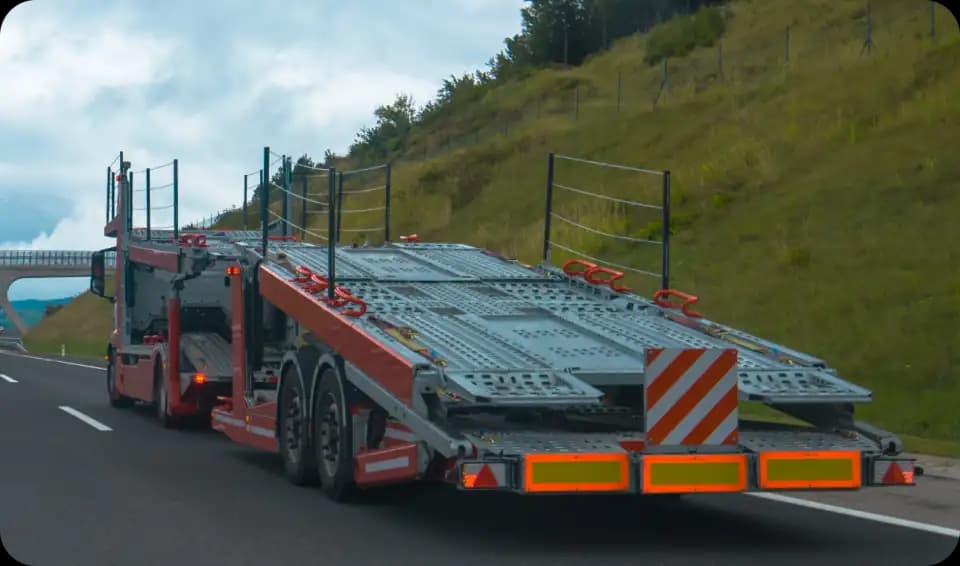
Open car shipping is generally the most cost-effective option. Vehicles are transported on open-air trailers similar to those used for dealership deliveries and manufacturer distribution. Higher capacity allows carriers to spread costs across more vehicles, resulting in lower per-vehicle pricing.Open transport also benefits from greater route availability. More carriers operate open trailers, which increases competition and helps stabilize pricing across common routes.
Enclosed Car Shipping Cost Structure
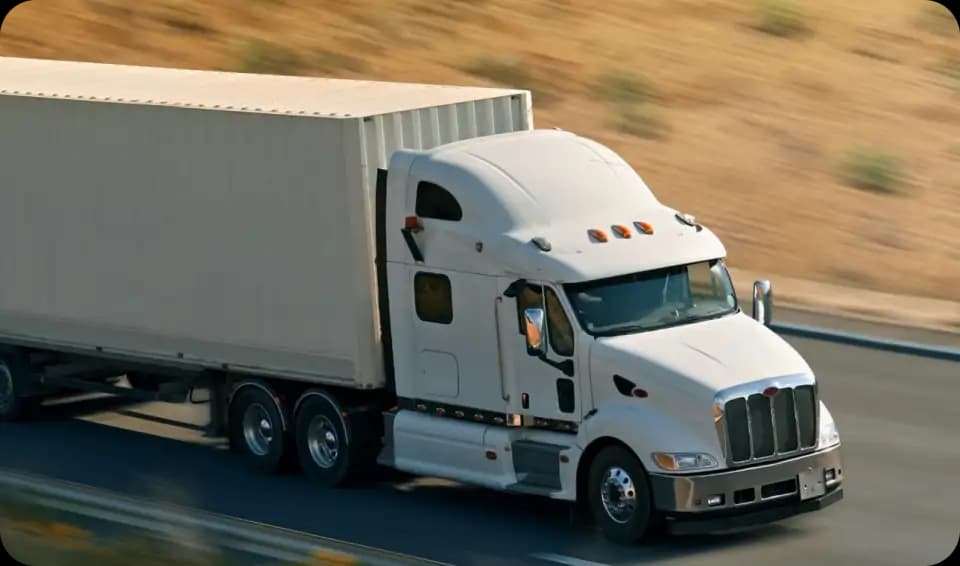
Enclosed car shipping involves covered trailers that provide additional protection during transit. These trailers carry fewer vehicles and require more specialized equipment, which increases cost.Limited carrier availability and reduced capacity mean enclosed transport often costs significantly more than open transport. Pricing reflects equipment requirements and route alignment rather than speed or priority.
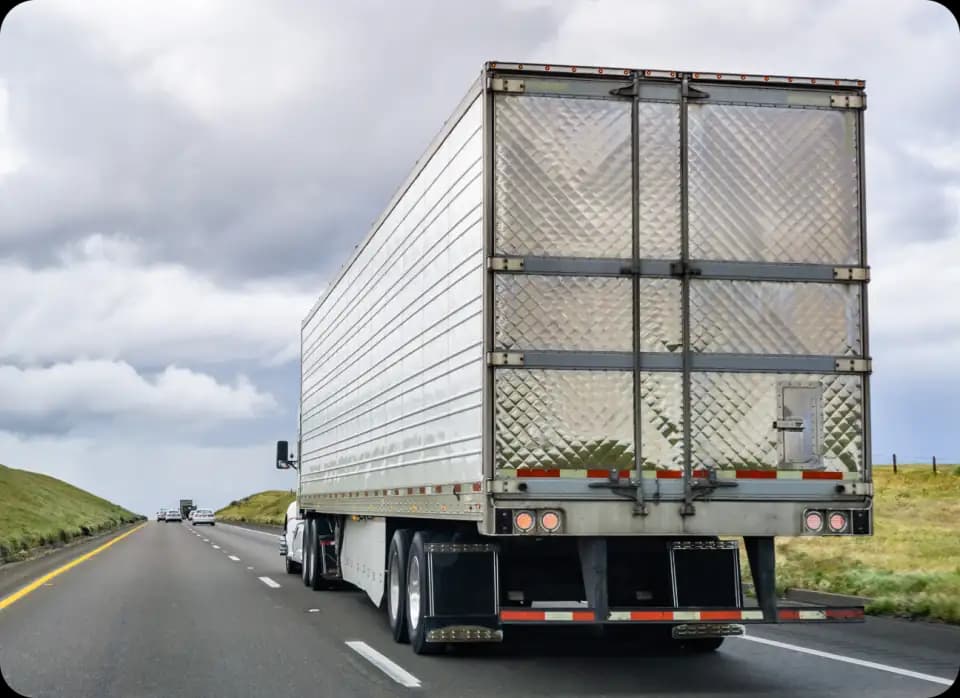
Capacity and Carrier Availability Differences
Carrier availability plays a major role in cost differences. Open carriers operate across a wide range of routes with frequent availability. Enclosed carriers operate fewer routes and may require additional coordination to align with shipment timing.Lower availability for enclosed transport can extend scheduling time and increase pricing variability depending on route demand.
Route Demand and Pricing Impact
Route demand affects both open and enclosed shipping costs, but the impact is greater for enclosed transport. High-demand routes may support more competitive enclosed pricing, while low-demand routes can increase cost due to limited carrier presence.Open transport pricing tends to remain more consistent across routes due to higher carrier volume.
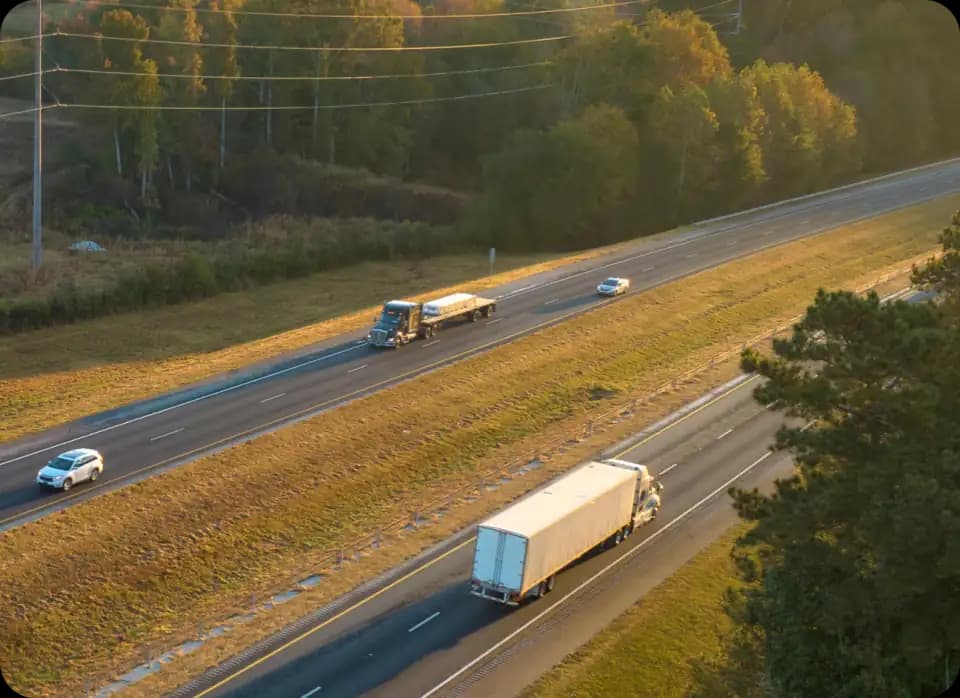
Vehicle Type and Value Considerations
Vehicle value and condition often influence transport method choice. Standard daily-use vehicles are commonly shipped via open transport due to cost efficiency. Higher-value, classic, or specialty vehicles may justify enclosed transport despite higher cost.Cost differences should be weighed against protection needs rather than assumed service differences.
Timing Flexibility and Cost Differences
Timing flexibility affects both transport methods. Flexible pickup windows improve carrier matching and may reduce cost for both open and enclosed shipments.Rigid timing requirements have a greater impact on enclosed pricing due to limited availability and tighter routing constraints.
How Open vs Enclosed Cost Fits Into Pricing Decisions
Choosing between open and enclosed transport is a cost-structure decision rather than a quality decision. Both options follow the same scheduling, pickup, transit, and delivery process.Understanding how cost differences arise helps avoid unnecessary upgrades or mismatched expectations.For overall cost context, see Car Shipping Cost.
How This Comparison Fits Into the Shipping Process
Transport method selection occurs early in the shipping process and influences scheduling, pricing, and carrier assignment. Once selected, the process flow remains consistent regardless of method.A full process overview is available on the Car Shipping Process page.

Related Pricing Pages
Continue with related pricing guidance to understand market logic and avoid unreliable low-quote decisions.
How Car Shipping Prices Are Determined
The operational logic behind how shipping prices are calculated.
Why Cheap Car Shipping Quotes Fail
Why unusually low quotes often lead to delays or price changes.
Open vs Enclosed Shipping Cost FAQs
Is enclosed shipping always more expensive than open shipping?
Is enclosed shipping always more expensive than open shipping?
How much more does enclosed shipping usually cost?
How much more does enclosed shipping usually cost?
Does enclosed shipping move faster than open shipping?
Does enclosed shipping move faster than open shipping?
Is open shipping safe for most vehicles?
Is open shipping safe for most vehicles?
Can I switch from open to enclosed after booking?
Can I switch from open to enclosed after booking?
Does route demand affect open and enclosed pricing differently?
Does route demand affect open and enclosed pricing differently?


Choose the Right Transport Method
Understanding how open and enclosed shipping costs differ helps select the option that aligns with vehicle value, route conditions, and budget expectations.