

Why Cheap Car Shipping Quotes Fail
Cheap car shipping quotes fail because they do not reflect how vehicle transport actually works. Pricing that is disconnected from route demand, carrier availability, and execution requirements cannot be sustained through pickup and delivery.When a quote is too low, the shipment still needs to be moved. The gap between the quoted price and real carrier cost creates delays, rescheduling, or last-minute changes.
Car Shipping Is Executed by Carriers, Not Price Sheets
Car shipping is executed by licensed carriers operating along active routes. Carriers choose shipments that align with their equipment, timing, and compensation expectations. A quote that does not meet real carrier pricing is simply ignored by the market.Low quotes do not create availability. They delay execution until pricing aligns with reality.

What Happens After a Cheap Quote Is Submitted
After a low quote is accepted, the shipment enters carrier scheduling. If no carrier accepts the pricing, the shipment remains unscheduled. Time passes without movement.Eventually, one of three outcomes occurs. The shipment is delayed while pricing is adjusted, the customer is asked to increase the price, or the shipment is canceled entirely.
Why Low Quotes Do Not Secure Faster Pickup
Low pricing does not prioritize a shipment. Carriers prioritize shipments that align with route efficiency and fair compensation. A cheap quote does not move a vehicle faster and often slows the process.Pickup speed is influenced by route demand and scheduling flexibility, not by underpricing.
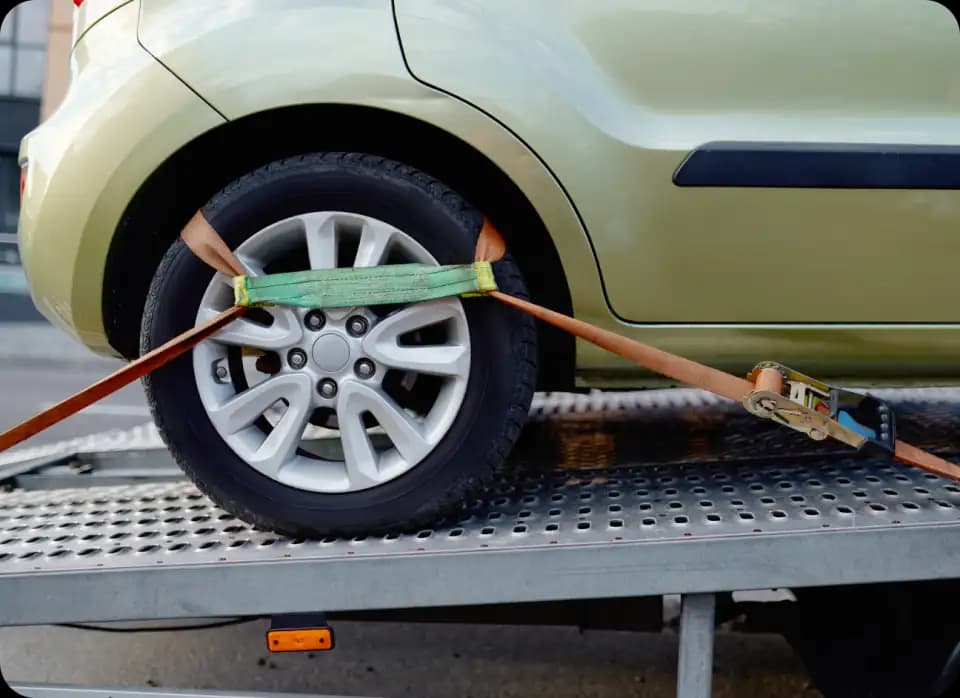
Why Some Auto Transport Quotes Change
Some quotes are intentionally low to secure bookings rather than to execute shipments. These quotes rely on future price increases once scheduling begins.This pricing approach shifts risk to the customer. Execution only proceeds after pricing is corrected, creating confusion and frustration.
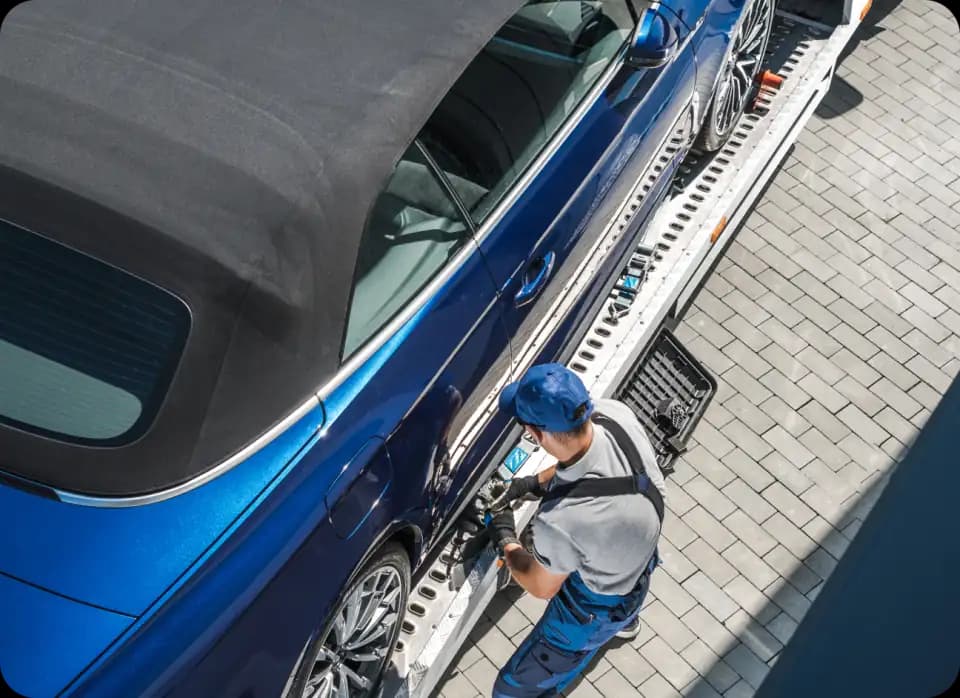
Why Price Changes Occur After Booking
When initial pricing does not match carrier market rates, adjustments become necessary. These adjustments are often framed as “unexpected” costs but are actually the result of unrealistic pricing from the start.Price changes after booking are not caused by carriers. They are caused by pricing that was never viable.

How Cheap Quotes Increase Delays and Rescheduling
Shipments priced below market often cycle through multiple scheduling attempts. Each failed attempt adds delay. As time passes, availability decreases and costs may rise further.Delays compound when shipments miss ideal routing windows due to underpricing.
Why Some Quotes Look Cheaper Than Others
Cheap quotes often exclude real constraints such as limited access, non-running vehicles, tight timing, or low-demand routes. These details surface later during scheduling.Accurate pricing accounts for these factors upfront. Cheap pricing postpones them.

The Cost of Choosing the Wrong Quote
The cost of a failed cheap quote is not just financial. It includes lost time, rescheduled plans, missed deadlines, and stress during coordination.Reliable execution depends on pricing that matches logistics reality from the beginning.

How Realistic Pricing Supports Execution
Pricing that aligns with carrier expectations allows shipments to be scheduled efficiently. Realistic pricing improves pickup reliability, reduces rescheduling, and supports smoother delivery.Pricing does not need to be inflated. It needs to be accurate.For overall cost context, see Car Shipping Cost
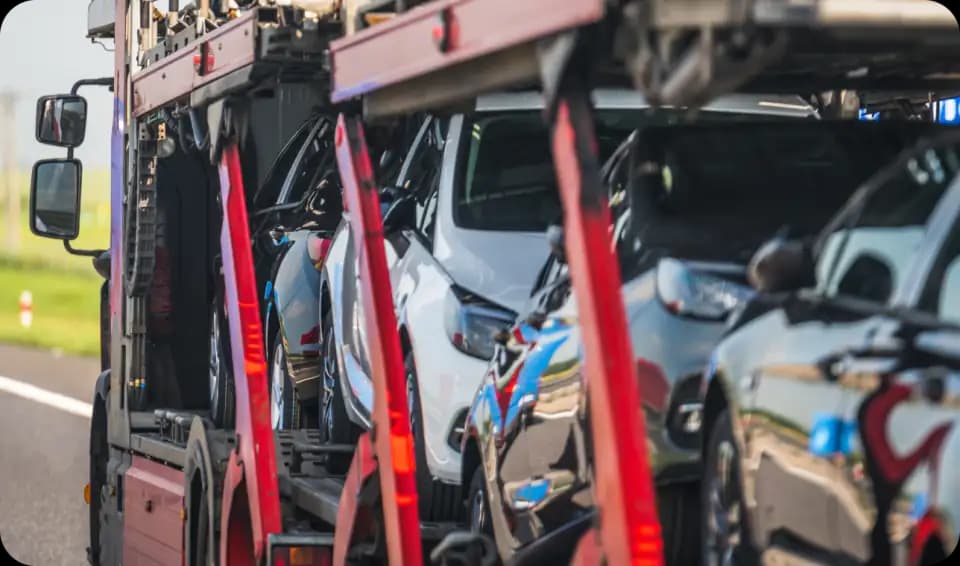

How This Fits Into Pricing
Decisions
Understanding why cheap quotes fail helps evaluate pricing options objectively. Cost should be considered alongside timing, route demand, and execution reliability.A full explanation of pricing logic is available on How Car Shipping Prices Are Determined.


Why Cheap Car Shipping Quotes
Fail FAQs
Why do cheap car shipping quotes exist?
Why do cheap car shipping quotes exist?
Does a lower price mean slower service?
Does a lower price mean slower service?
Can a cheap quote still work?
Can a cheap quote still work?
Why do prices change after booking?
Why do prices change after booking?
Is paying more always better?
Is paying more always better?
How can I avoid pricing issues?
How can I avoid pricing issues?


Choose Pricing That Can Be Executed
Reliable car shipping depends on pricing that matches route demand and carrier availability. Understanding why cheap quotes fail helps avoid delays and scheduling issues.