

Auto Transport for Businesses
Businesses move vehicles as part of daily operations, inventory management, and service delivery. These shipments often involve repeat routes, multiple vehicles, and coordination across locations or departments.Auto transport for businesses focuses on reliability, scheduling consistency, and processes that support ongoing logistics requirements rather than one-time convenience.

Common Business Vehicle Transport Needs
Commercial vehicle shipping is used across many industries where vehicles represent inventory, assets, or operational tools. Businesses rely on auto transport to move vehicles efficiently without tying up internal resources or staff time.Transport planning for businesses prioritizes predictable timelines, controlled handoffs, and documentation accuracy to support downstream operations.

Business Auto
Transport Scenarios
The business categories below represent the most common commercial vehicle shipping needs. Each page focuses on the operational requirements specific to that business type.
Dealership Auto Transport
Dealership Auto Transport
Auto Auction Transport
Auto Auction Transport
Fleet Vehicle Transport
Fleet Vehicle Transport
Corporate Relocation Auto Transport
Corporate Relocation Auto Transport
Rental Car Company Transport
Rental Car Company Transport
Lease Return Auto Transport
Lease Return Auto Transport
Financial Institutions Auto Transport
Financial Institutions Auto Transport
OEM Auto Transport
OEM Auto Transport
Car Resellers Auto Transport
Car Resellers Auto Transport
How Business Auto Transport Is Typically Planned
Business vehicle shipments are often scheduled in advance and may involve repeat volumes or rotating routes. Planning focuses on aligning transport capacity with inventory flow, operational deadlines, and internal processes.Unlike individual shipments, business transport decisions are driven by efficiency, consistency, and integration into larger logistics workflows.

Volume and Scheduling
Considerations
Businesses frequently ship multiple vehicles at once or across recurring schedules. This requires coordination that accounts for loading windows, release timing, and delivery sequencing.Transport solutions must remain flexible enough to handle volume fluctuations while maintaining predictable execution.
Pickup and Delivery
Coordination
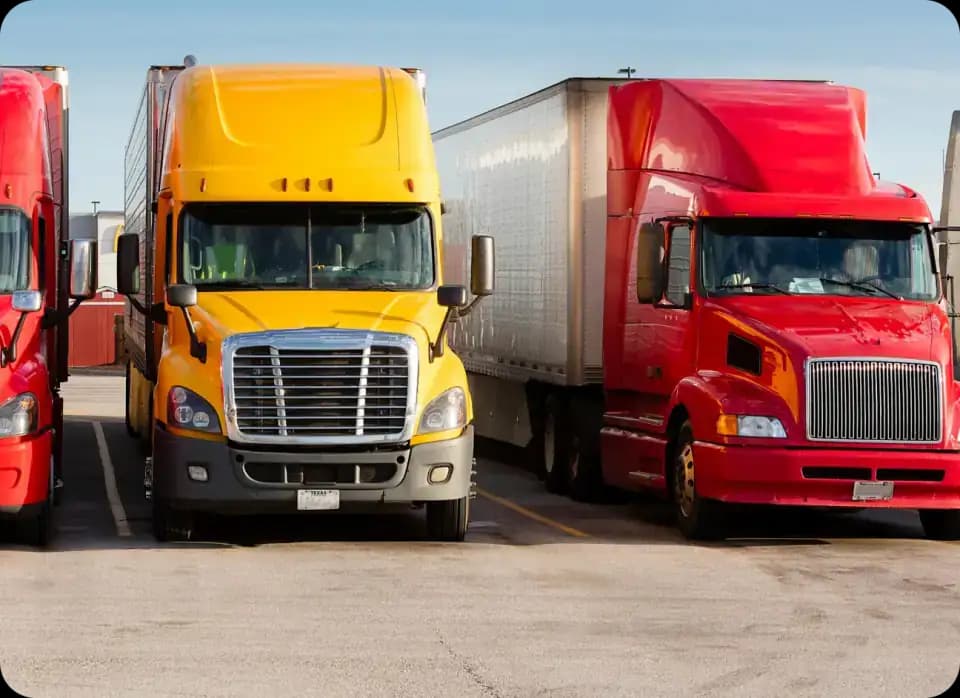
Commercial vehicle pickups often occur at dealerships, auctions, storage facilities, or corporate locations. Delivery may involve staging yards, distribution centers, or customer destinations.Clear coordination around access requirements, operating hours, and handoff procedures helps ensure smooth execution without disrupting business operations.

Vehicle Types Commonly Shipped by Businesses
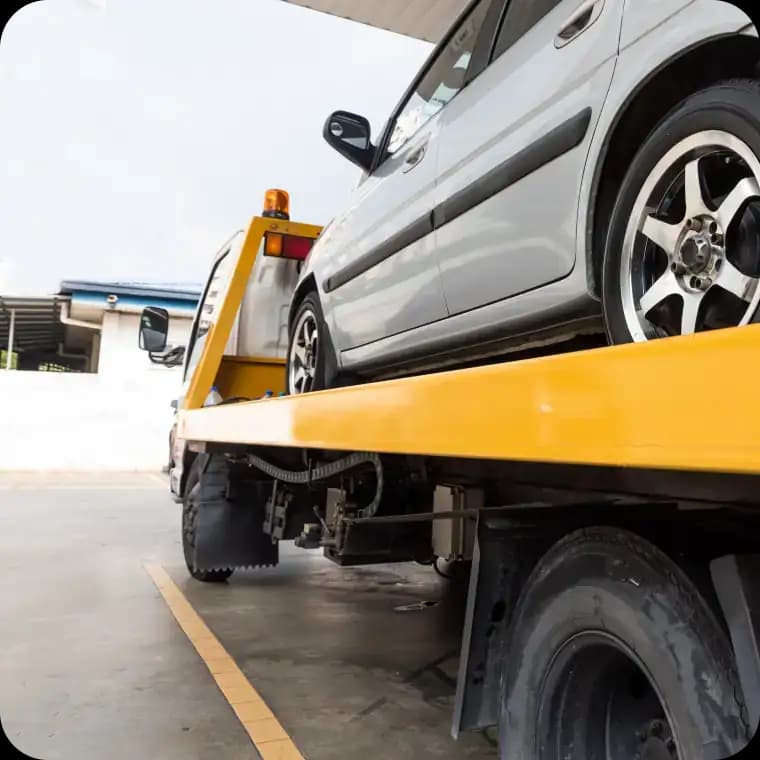
Business shipments include a wide range of vehicle types, from standard passenger vehicles to light trucks and specialty units. Fleet vehicles, rental inventory, and remarketed assets are commonly transported.Vehicle condition, size, and configuration are reviewed during scheduling to ensure appropriate carrier assignment and handling.
Transport Services Used by Business
Customers
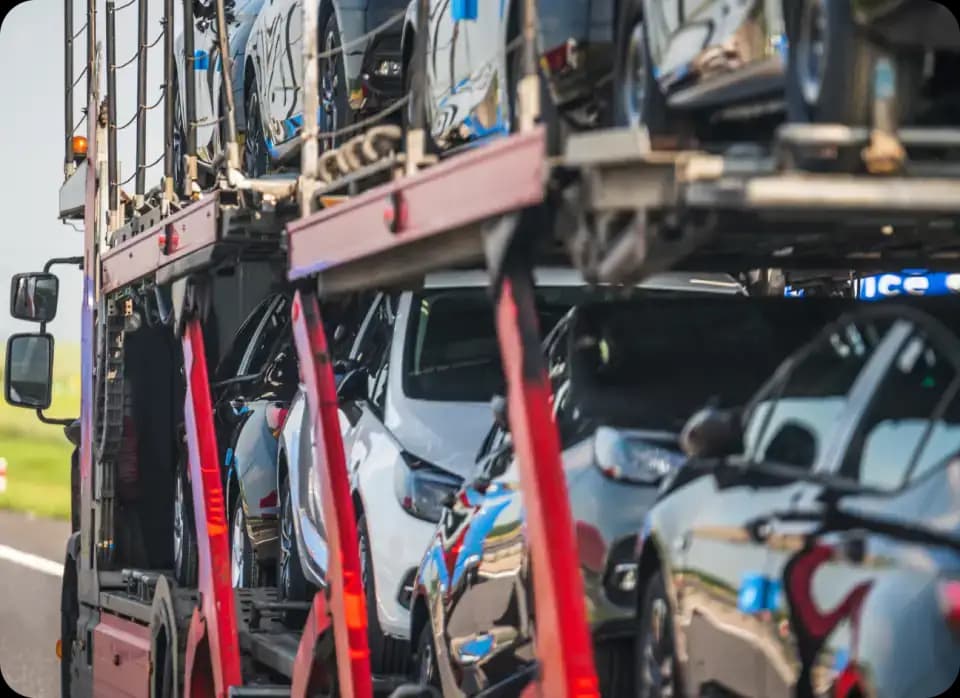
Businesses commonly use open auto transport for efficiency and availability, as well as multi-vehicle transport for volume moves. Door-to-door delivery is often used when access allows.Inoperable vehicle transport and specialty handling may be required for damaged or non-running assets. Long-distance and cross-country services support regional and national operations.
How Avorix Auto Transport Supports
Business Shipments
Avorix Auto Transport coordinates commercial vehicle shipments by matching business requirements with appropriate carrier capacity and routing. Each shipment is planned to align with operational timelines and access considerations.The focus remains on consistency, communication, and execution rather than one-time convenience, supporting reliable transport for ongoing business needs.

How Business Auto Transport Differs
from Individual Shipping
Business auto transport is driven by operational objectives rather than personal schedules. Shipments are often recurring, volume-based, and tied to inventory or service workflows.This difference requires a planning approach centered on repeatability, documentation accuracy, and coordination across teams or locations.
Selecting the Right Business Auto Transport Solution
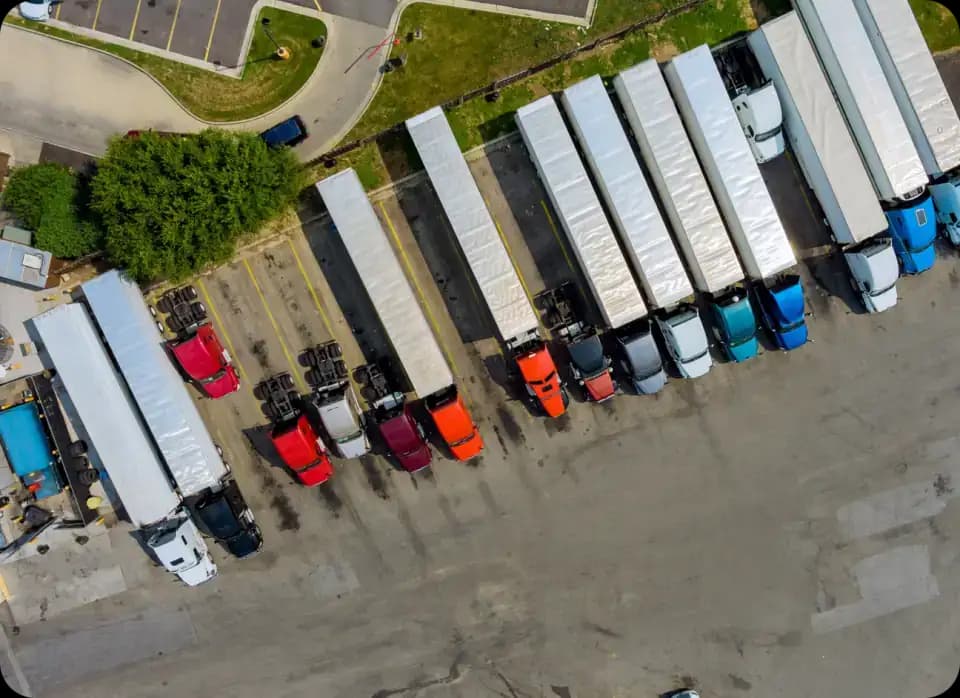
Choosing the right transport approach depends on shipment volume, vehicle type, timing requirements, and internal processes. Starting with the relevant business category helps route companies to solutions that fit their operational needs.Each business audience page provides additional context and connects directly to the transport services that apply.


Need vehicle transport support for your business?Get a clear, upfront quote based on volume, routing, and scheduling needs.