

Open Auto Transport
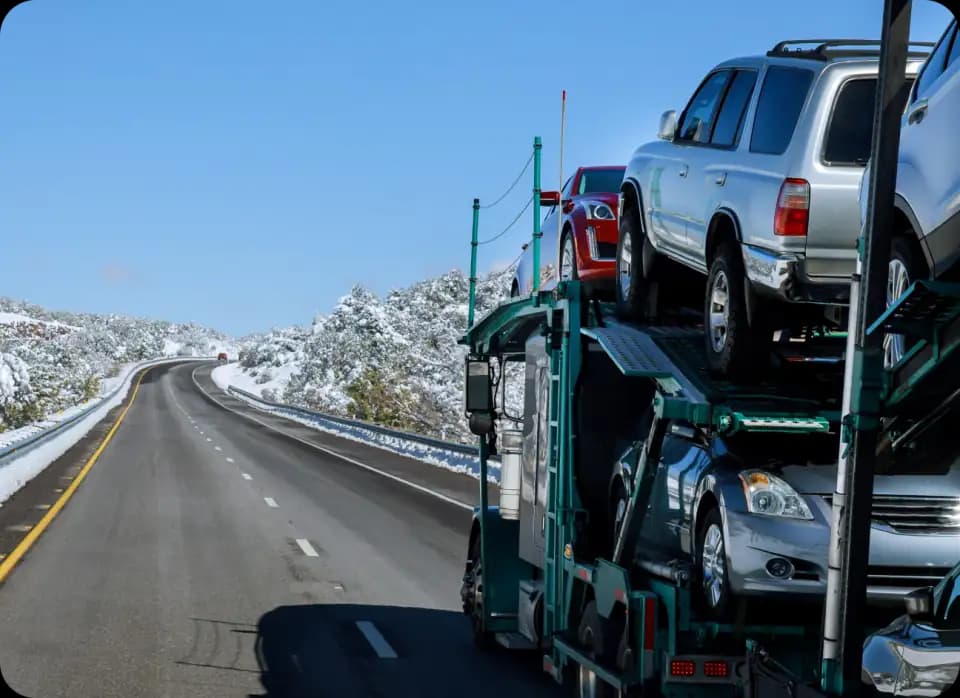
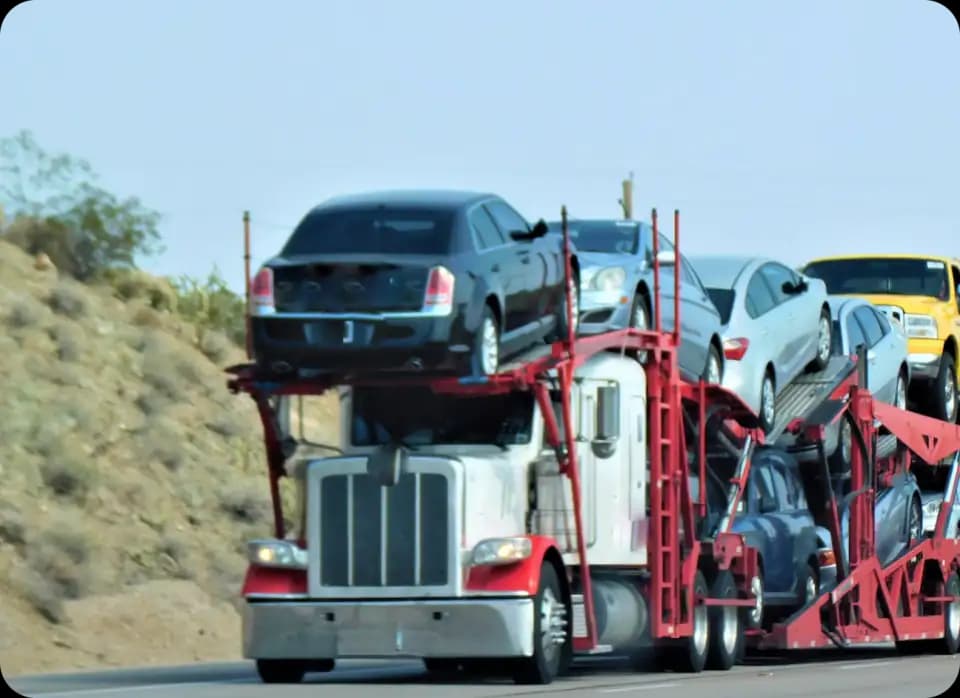
Open auto transport is the most widely used method for shipping vehicles across the United States. Vehicles are transported on open-air trailers similar to those commonly seen delivering cars to dealerships and distribution centers.This service is chosen for its efficiency, availability, and cost effectiveness. Open auto transport is suitable for most standard vehicles and offers reliable nationwide coverage without unnecessary complexity. For many customers, it represents the most practical balance between pricing, scheduling flexibility, and delivery reliability.

How Open Auto Transport Works
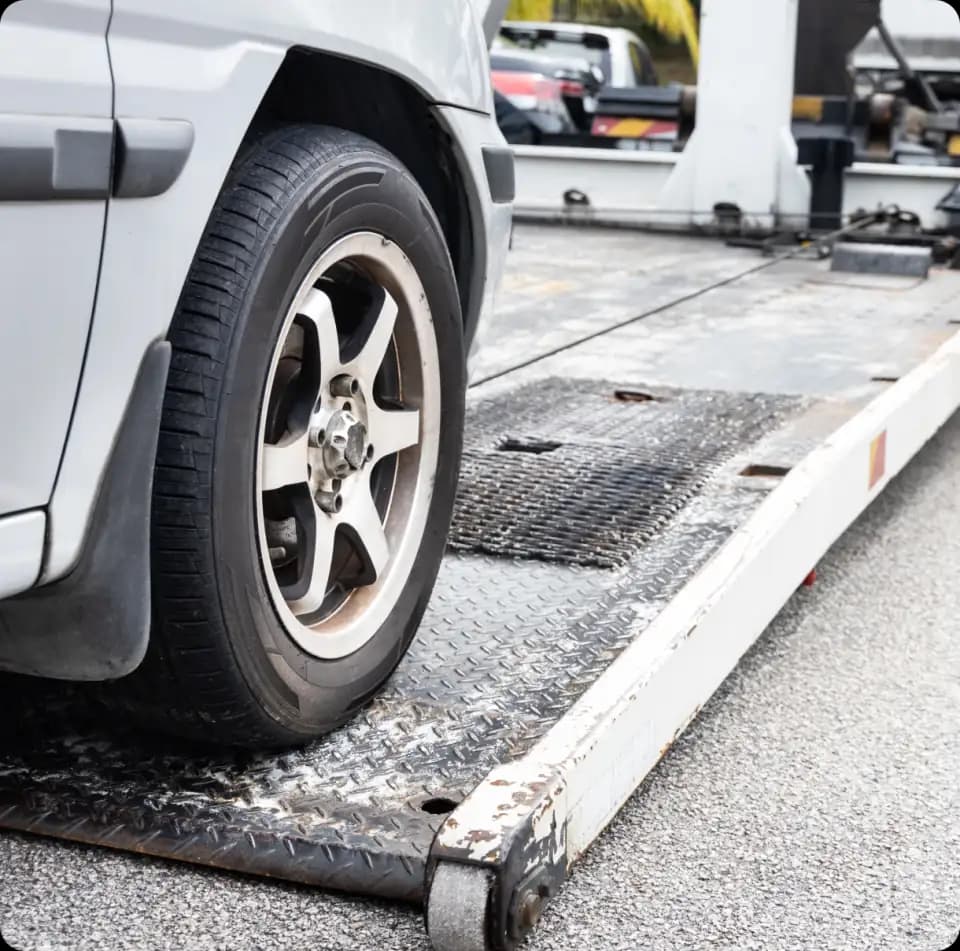
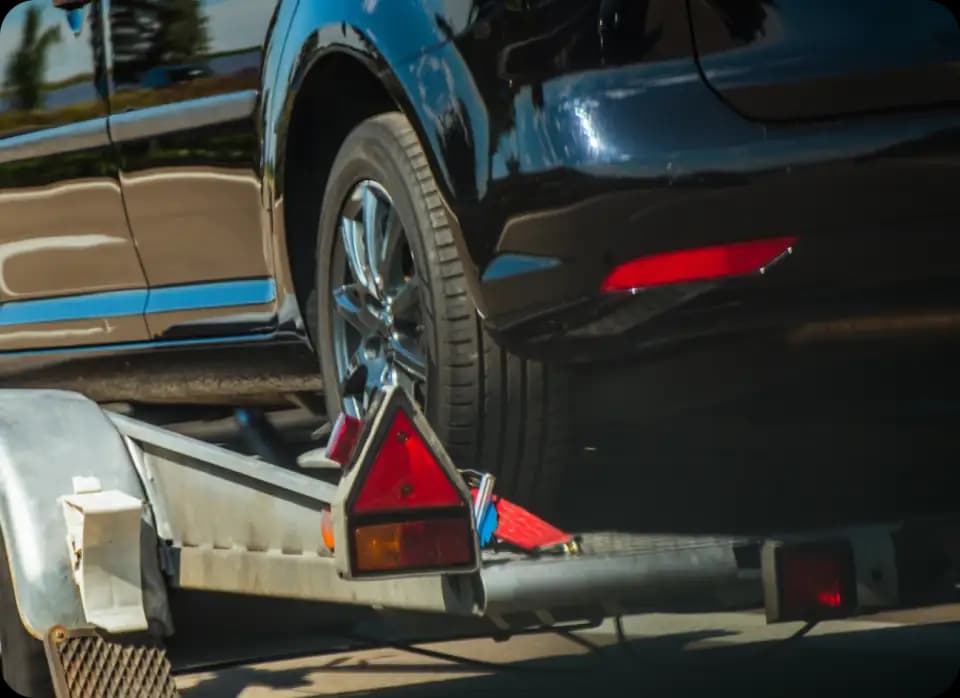
Open auto transport uses multi-vehicle open trailers designed to carry several vehicles at the same time. These trailers operate on established shipping routes across the country and form the backbone of standard auto transport operations.Once shipment details are confirmed, a licensed carrier operating on the appropriate route is assigned. Pickup is coordinated near the specified location, taking into account road access, safety considerations, and local regulations. In residential areas or locations with restricted access, pickup may occur at a nearby open space such as a shopping center or large parking lot.Vehicles remain fully visible during transit and are secured using industry-standard tie-down systems that prevent movement while the trailer is in motion. Delivery is coordinated as the carrier approaches the destination region, with timing confirmed in advance to ensure availability.
Why Open Auto Transport Is the Most
Common Choice
Open auto transport is preferred by most customers because it balances affordability and reliability. The majority of vehicles on the road today were originally shipped from manufacturers to dealerships using open carriers before being sold.Because open carriers transport multiple vehicles simultaneously and operate on high-volume routes, availability is greater than with specialized transport options. This allows for more flexible scheduling and faster carrier matching in many situations.Open auto transport is commonly used for everyday vehicles, relocations, dealer purchases, business shipments, and interstate moves. For most standard cars, it provides dependable service without the added cost associated with enclosed shipping.
Open Auto Transport vs Enclosed
Auto Transport
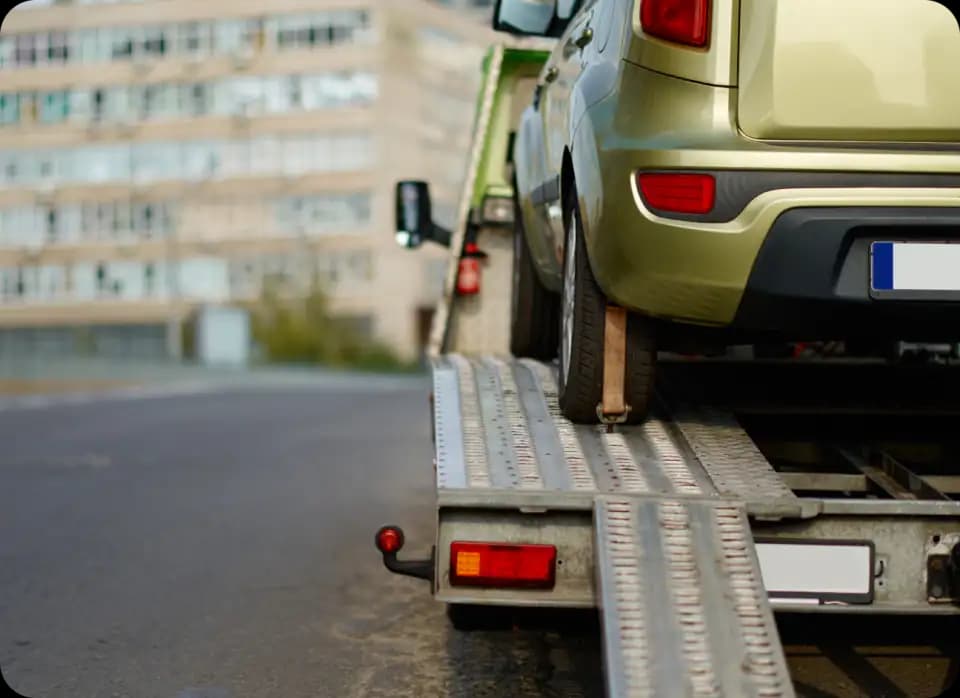
The primary difference between open and enclosed auto transport is exposure. Open transport carriers are uncovered, while enclosed carriers fully protect vehicles inside a closed trailer.Open auto transport exposes vehicles to normal road and weather conditions, including sunlight, rain, dust, and road spray. These conditions are considered normal and are the same exposures vehicles experience during everyday driving.Enclosed auto transport reduces exposure and is typically selected for high-value, classic, exotic, or specialty vehicles. While enclosed transport provides additional protection, it comes with higher cost and more limited carrier availability.For customers shipping standard sedans, SUVs, pickup trucks, and daily-driven vehicles, open auto transport is usually the practical and cost-effective choice.
Pricing Factors for
Open Auto Transport
Pricing for open auto transport is based on logistical factors rather than flat rates. Distance is one of the primary considerations, along with route demand and overall carrier availability.Routes with consistent carrier traffic often result in more efficient scheduling and pricing. Less common routes or areas with limited access may require additional coordination.Vehicle size also affects pricing, as larger vehicles take up more space on the trailer. Seasonal demand plays a role as well, with peak relocation periods influencing availability. Flexible pickup and delivery windows can help improve scheduling efficiency.

Pickup and Delivery Process
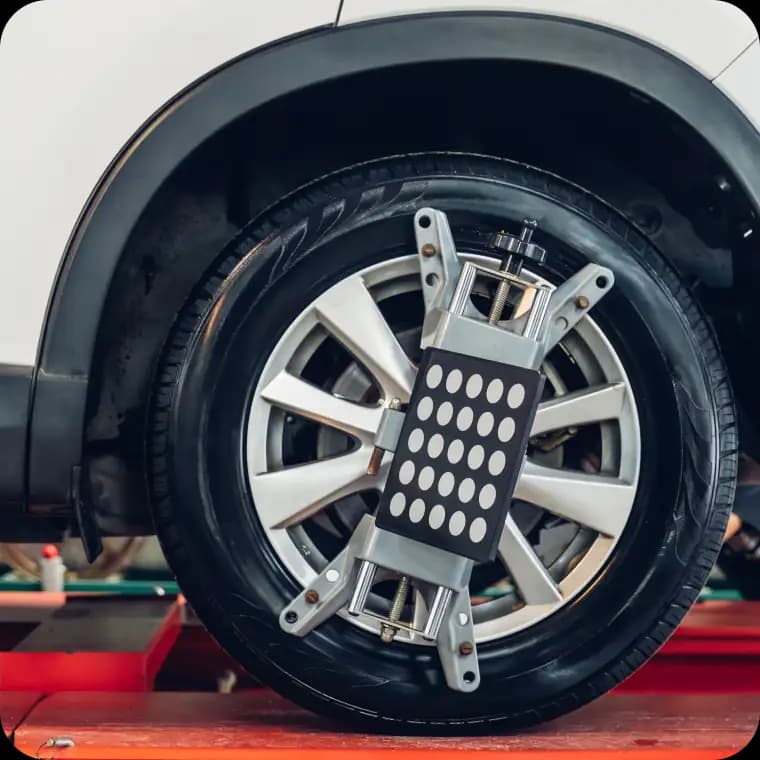
At pickup, the driver performs a visual inspection of the vehicle and documents its condition. This inspection establishes a record prior to transport and helps ensure transparency throughout the shipment.The vehicle is then loaded onto the open trailer and secured using appropriate restraints. During transit, the carrier follows established routes and delivery sequencing based on other vehicles on the trailer.As the shipment approaches the destination, delivery timing is coordinated in advance. Upon arrival, the vehicle is unloaded and a final inspection is completed before the shipment is finalized.
What Vehicles Are Best Suited for Open Auto Transport
Open auto transport is appropriate for a wide range of vehicles.
Vehicles that are regularly driven and do not have special clearance or handling requirements are typically well suited for open transport. Larger vehicles may take up additional trailer space, which is factored into scheduling and pricing, but they are still commonly shipped using open carriers.Inoperable vehicles can also be transported using open trailers when additional loading equipment such as winches is available. Vehicle condition and access are reviewed during scheduling to ensure proper carrier assignment.
Nationwide Open Auto Transport Coverage
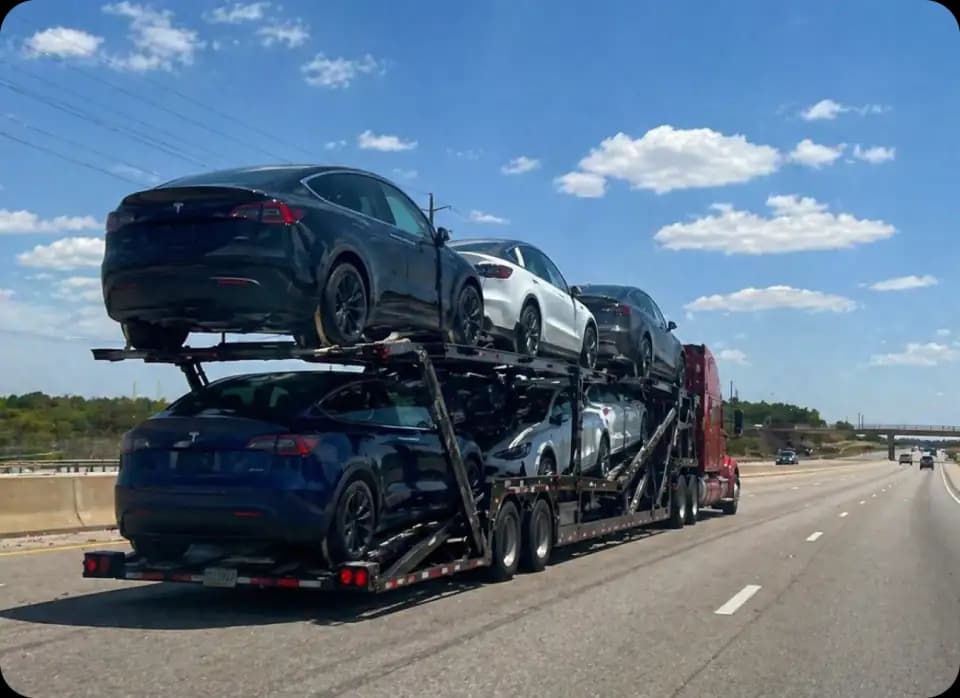
Open auto transport is available throughout the continental United States and operates on the most established shipping routes nationwide. High carrier availability makes it a reliable option for both short-distance and long-distance shipments.Because open carriers service major routes consistently, this method offers broad geographic coverage and predictable scheduling across most locations, including urban centers and regional corridors.
What Can Affect Open
Auto Transport Scheduling and Timing
Several factors can influence scheduling and transit time for open auto transport. Weather conditions, route congestion, and seasonal demand all play a role in how shipments move across the country.Severe weather may slow transport routes or require temporary rerouting. Urban access restrictions, narrow streets, low bridges, or residential regulations can require alternate pickup or delivery locations.Peak seasons such as summer relocations, college moves, and winter snowbird traffic can affect carrier availability. Understanding these variables helps set realistic expectations and supports smoother coordination.

Open Auto Transport for State-to-
State and Cross-Country Moves
Open auto transport is used for both short-distance and long-distance vehicle shipments. State-to-state moves are often simpler to schedule due to shorter transit times and more frequent carrier traffic.Cross-country shipments involve longer routes and more complex logistics, but open carriers operate consistently on major interstate corridors. Planning flexibility and realistic timelines help support efficient cross-country transport.Regardless of distance, open auto transport remains the most commonly selected option for standard vehicles moving between states or across regions.
Common Planning Mistakes When
Using Open Auto Transport
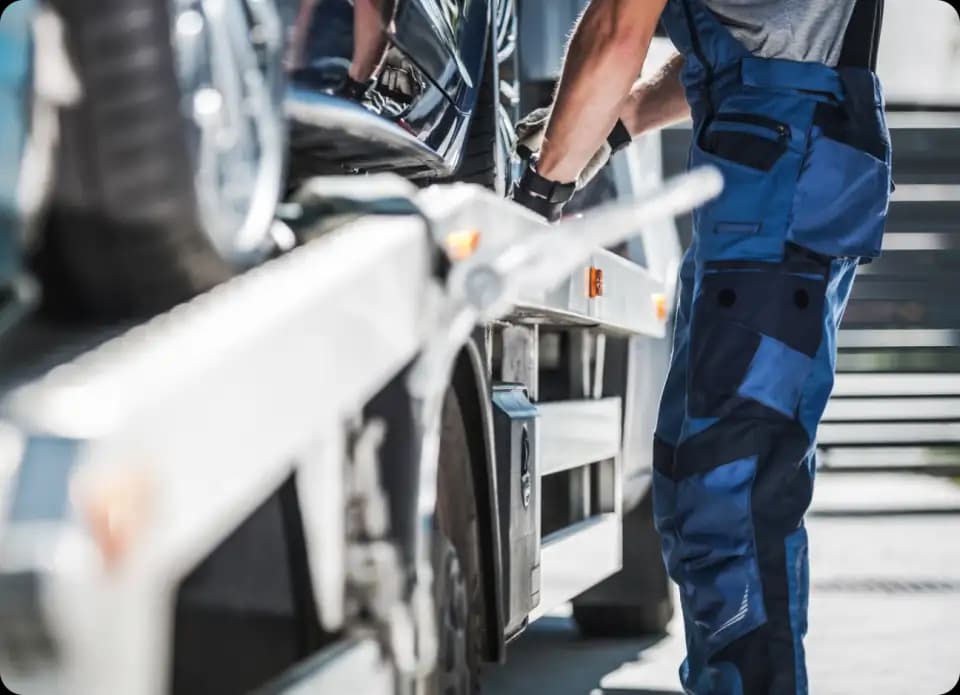
One common mistake is waiting too long to schedule pickup, especially during peak seasons. Limited flexibility can reduce carrier options and affect timing.Another issue is providing incomplete or inaccurate vehicle information. Vehicle size, condition, and access details are critical for proper carrier assignment.Understanding pickup and delivery access limitations in advance helps avoid last-minute changes and ensures smoother coordination.
When Open Auto Transport May Not
Be the Best Fit
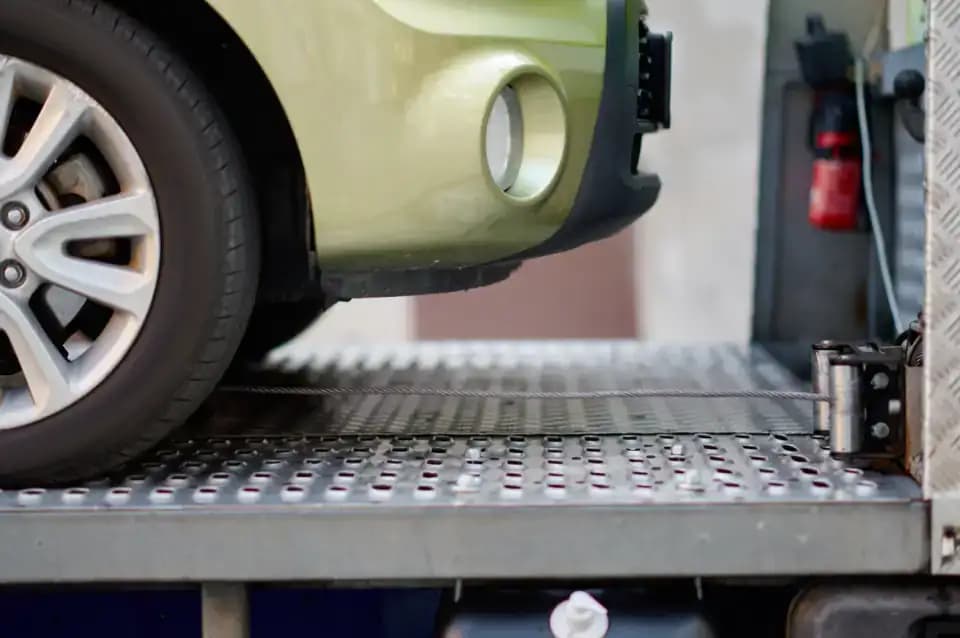
Open auto transport may not be ideal for vehicles with extremely low ground clearance, custom bodywork, or high collectible value.Owners who want to minimize all exposure during shipping often choose enclosed transport, even for shorter routes. Open transport may also be less suitable when highly specific delivery dates are required.Choosing the right service depends on vehicle needs, timing expectations, and personal preference rather than distance alone.
Why Choose Avorix Auto Transport
for Open Shipping
Avorix Auto Transport coordinates open auto transport shipments using licensed carriers matched to route demand and vehicle requirements.Each shipment is reviewed individually to support realistic scheduling, clear communication, and consistent execution from pickup through delivery.The focus is on structured coordination rather than volume-based dispatching, helping reduce uncertainty throughout the transport process.
Frequently
Asked Questions
Is open auto transport safe for my vehicle?
Is open auto transport safe for my vehicle?
Will my vehicle be exposed to weather during transport?
Will my vehicle be exposed to weather during transport?
Is open transport cheaper than enclosed transport?
Is open transport cheaper than enclosed transport?
Can inoperable vehicles be shipped using open carriers?
Can inoperable vehicles be shipped using open carriers?
How long does open auto transport take?
How long does open auto transport take?
Is open auto transport available nationwide?
Is open auto transport available nationwide?


Ready to ship your vehicle using
open auto transport?Get a clear, upfront quote based on your route, vehicle, and schedule.