

Inoperable Vehicle Transport
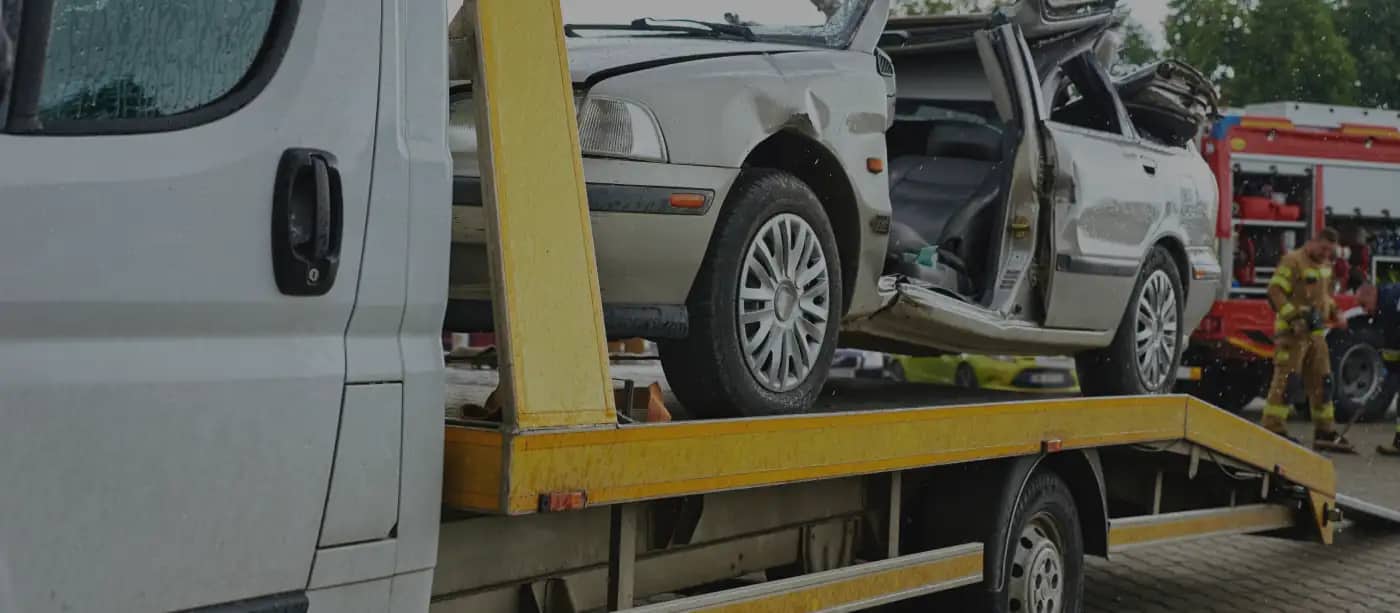
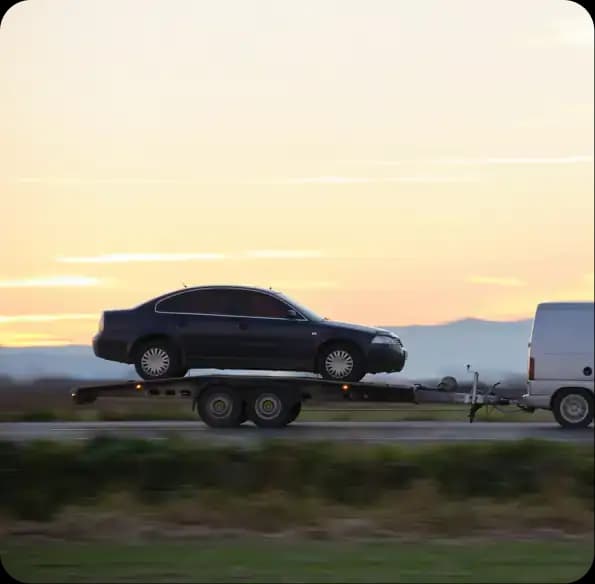
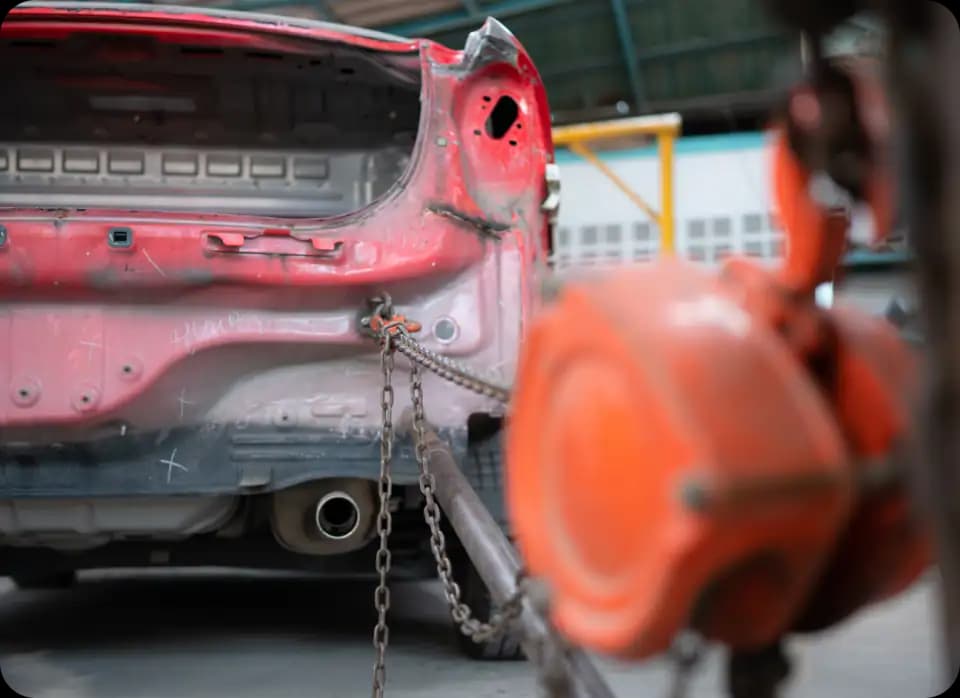
Inoperable vehicle transport is designed for cars that do not run or cannot be driven onto a transport trailer. This service allows non-running vehicles to be shipped safely using specialized loading equipment and coordinated handling.It is commonly used for vehicles with mechanical issues, accident damage, restoration projects, or long-term storage moves. Inoperable vehicle transport provides a structured solution when standard driving or loading is not possible.

How Inoperable Vehicle Transport Works
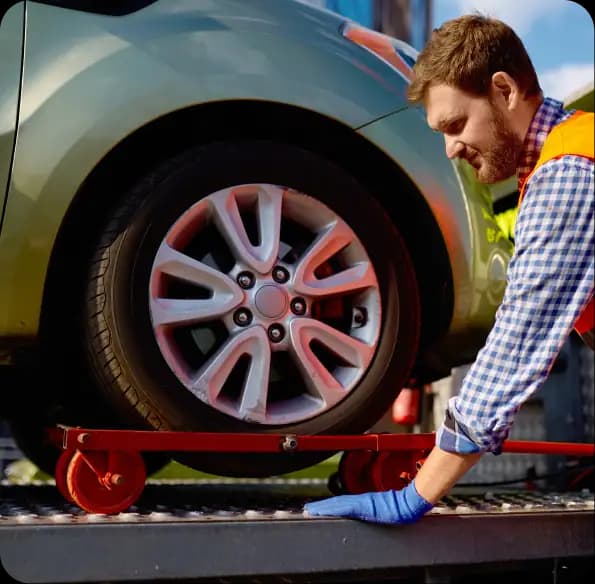
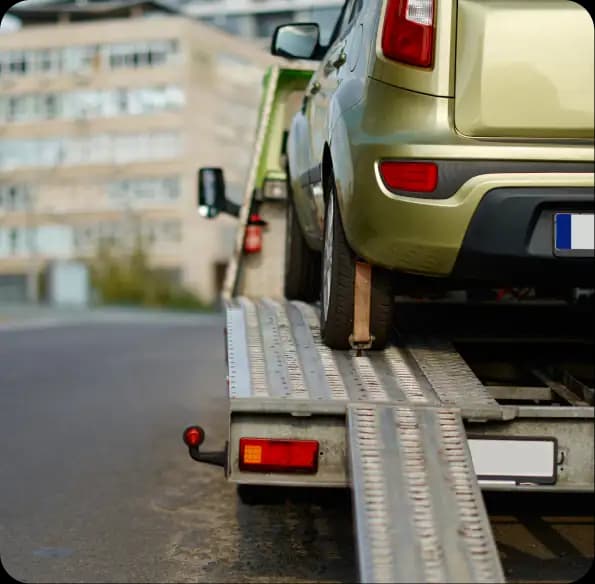
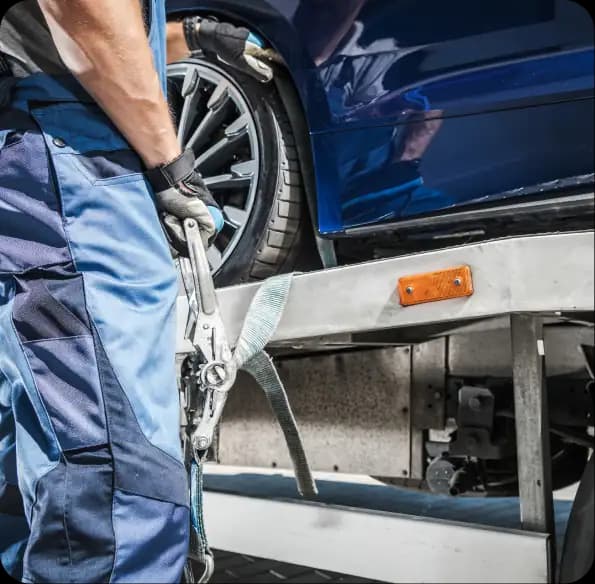
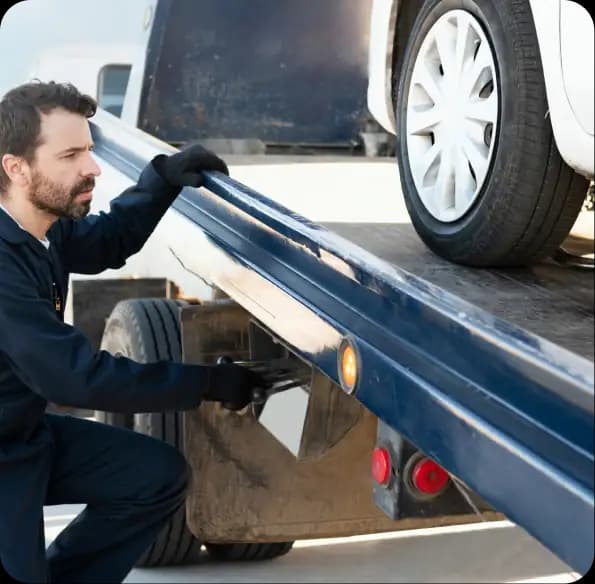
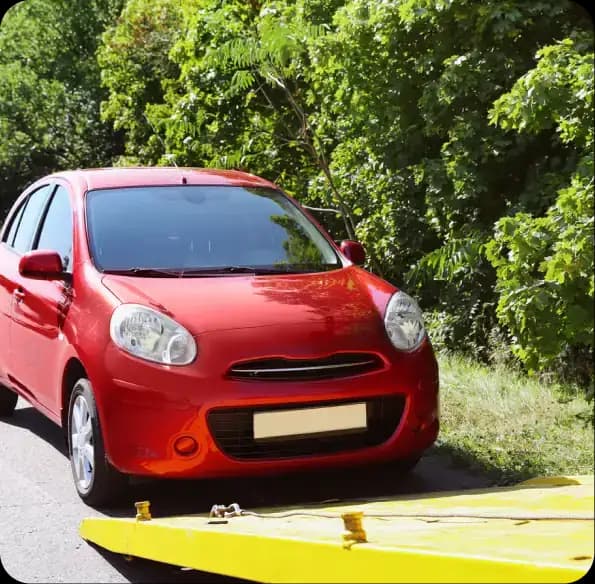
Inoperable vehicle transport requires additional planning compared to standard shipments. During scheduling, the vehicle's condition is reviewed to determine the type of equipment required for safe loading and unloading.Carriers typically use winches, lift gates, tilt trailers, or specialized equipment to move non-running vehicles. Once loaded, the vehicle is secured for transit and transported along established routes to the delivery location.
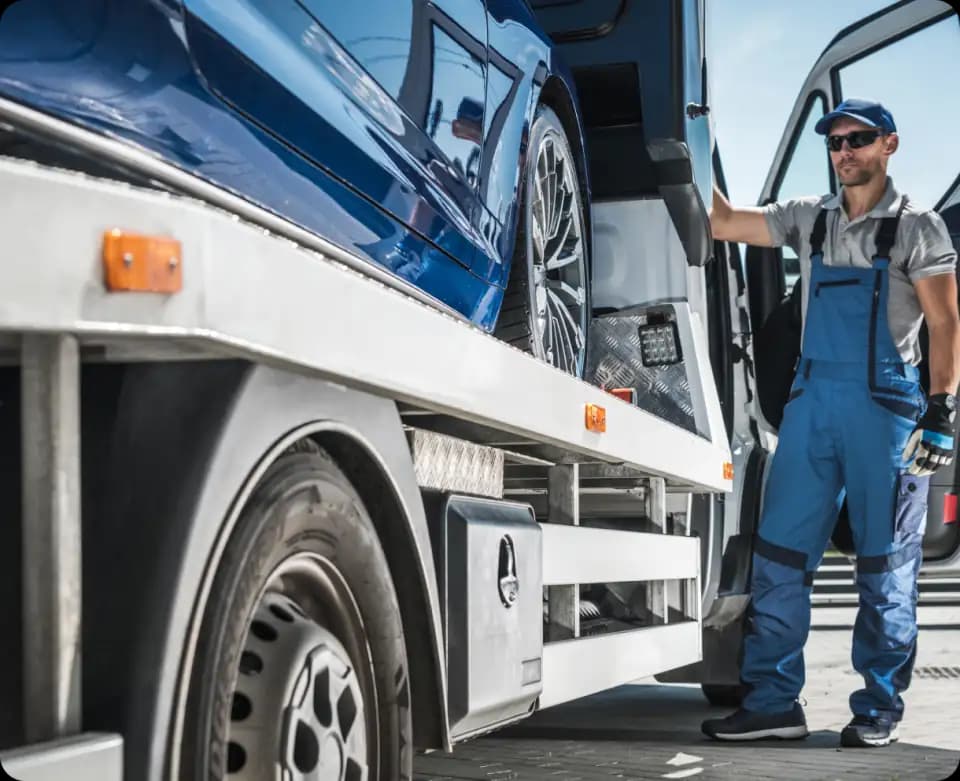
When Inoperable Vehicle Transport
Is Needed
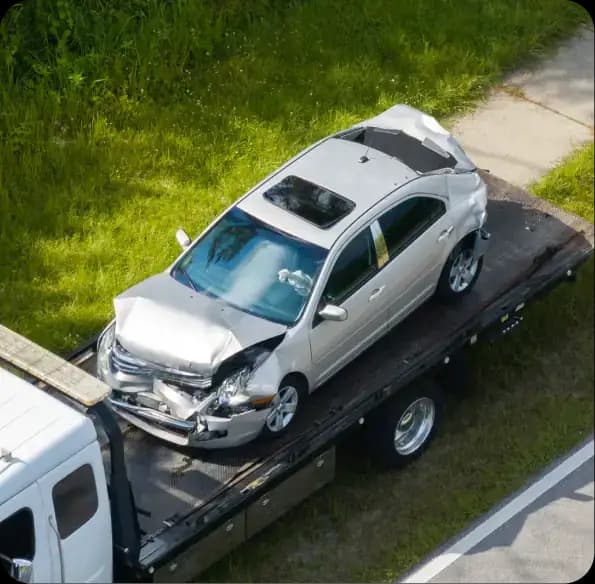
This service is required when a vehicle cannot move under its own power or cannot be driven onto or off a transport trailer. Common situations include engine failure, transmission problems, electrical issues, accident damage, or vehicles that have been sitting unused for extended periods.Inoperable transport is also frequently used for project cars, classic restorations, salvage vehicles, and vehicles being moved to or from repair facilities, auctions, or storage locations.
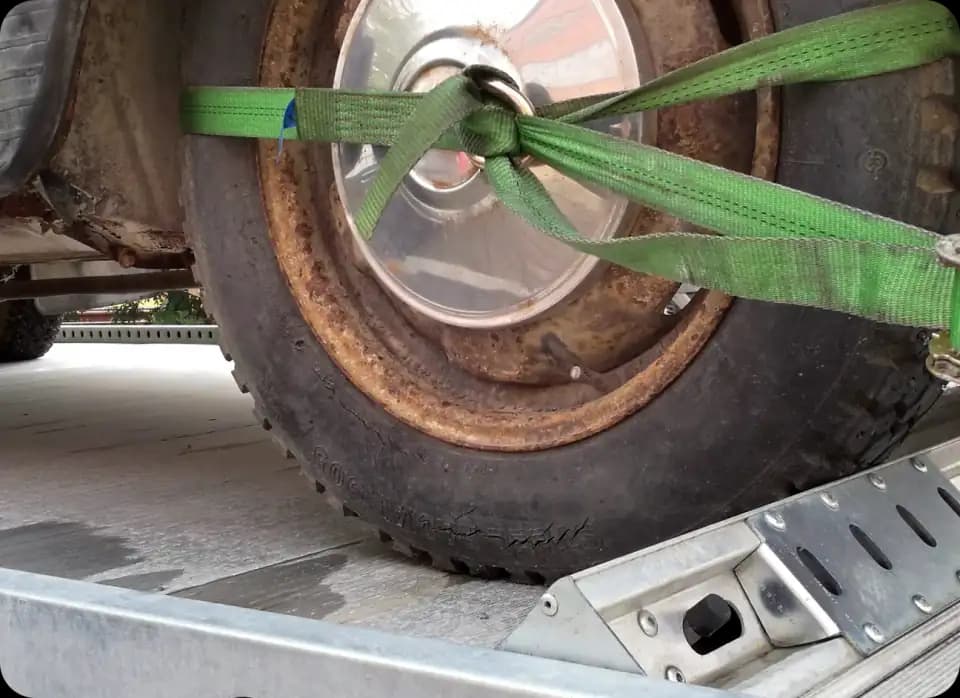
Inoperable Vehicle Transport vs Standard Auto Transport
Standard auto transport assumes that a vehicle can be driven onto and off the trailer. Inoperable vehicle transport differs by requiring additional equipment and hands-on handling at pickup and delivery.Because of these requirements, inoperable shipments often involve fewer carrier options and more detailed planning. Providing accurate vehicle condition information ensures the correct equipment is assigned from the beginning.
Levels of Vehicle Inoperability
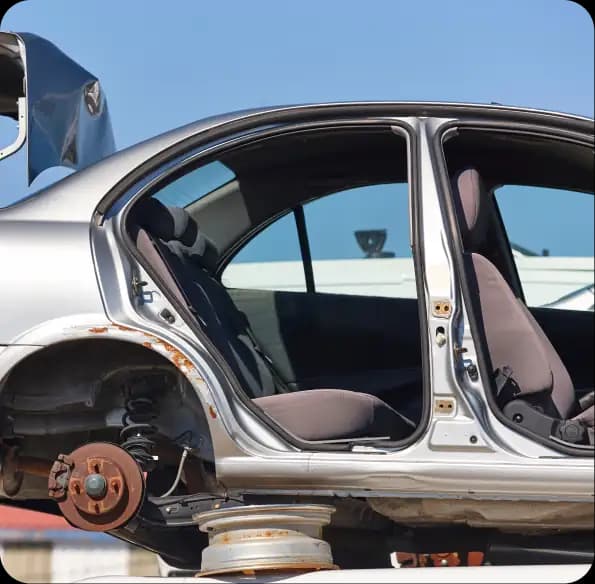
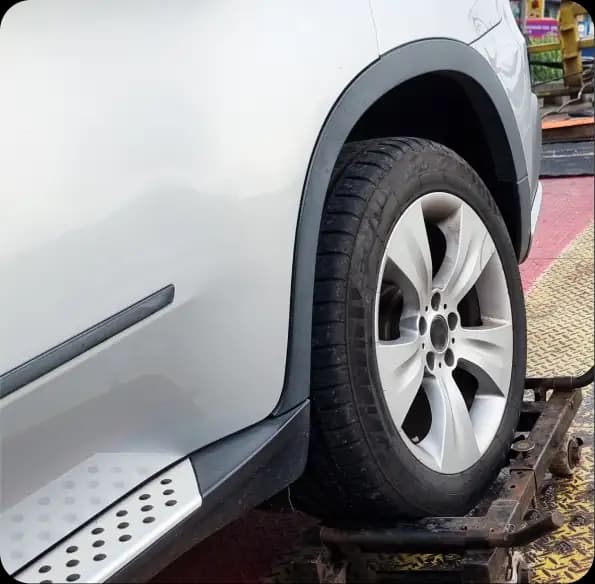
Not all inoperable vehicles present the same challenges. Some vehicles may roll and steer but cannot start, while others may be completely immobilized due to locked wheels, missing components, or structural damage.Understanding whether a vehicle can roll, steer, and brake helps determine the type of trailer and equipment required. These details are reviewed during scheduling to ensure safe loading and unloading.

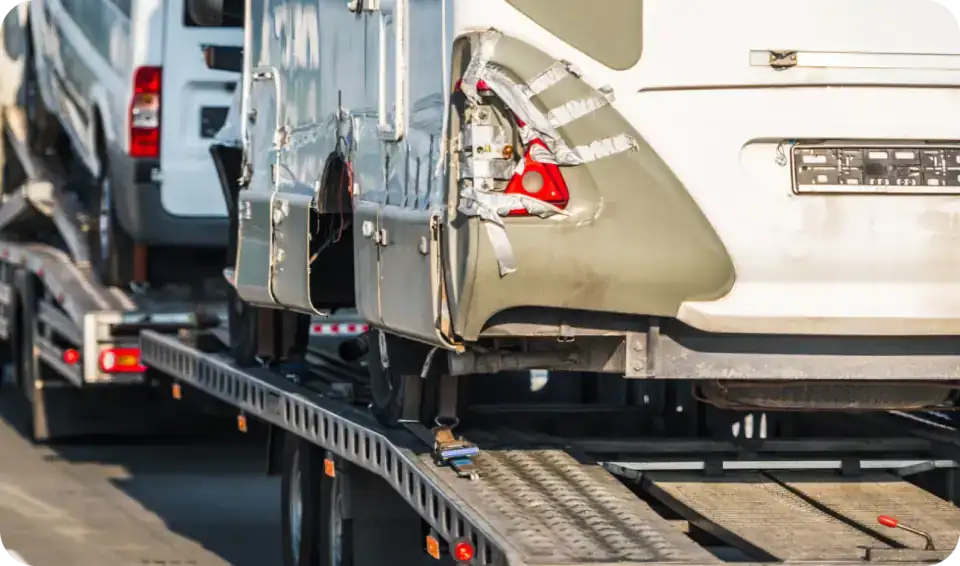
Pricing Factors for
Inoperable Vehicle Transport
Pricing for inoperable vehicle transport is influenced by distance, route demand, vehicle size, and the level of inoperability. Vehicles requiring winching, lift gates, or specialized trailers typically involve higher costs.Pickup and delivery access also affect pricing. Locations with limited space, steep inclines, or uneven surfaces may require additional coordination. Accurate disclosure of vehicle condition helps ensure realistic pricing and proper carrier assignment.
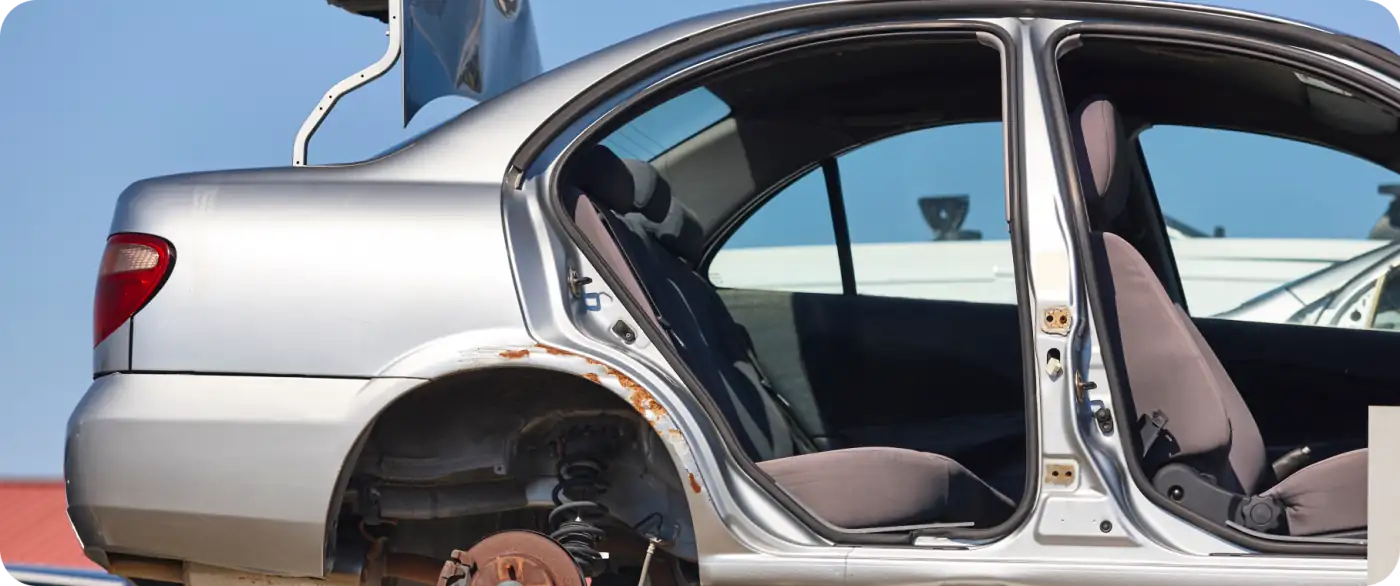
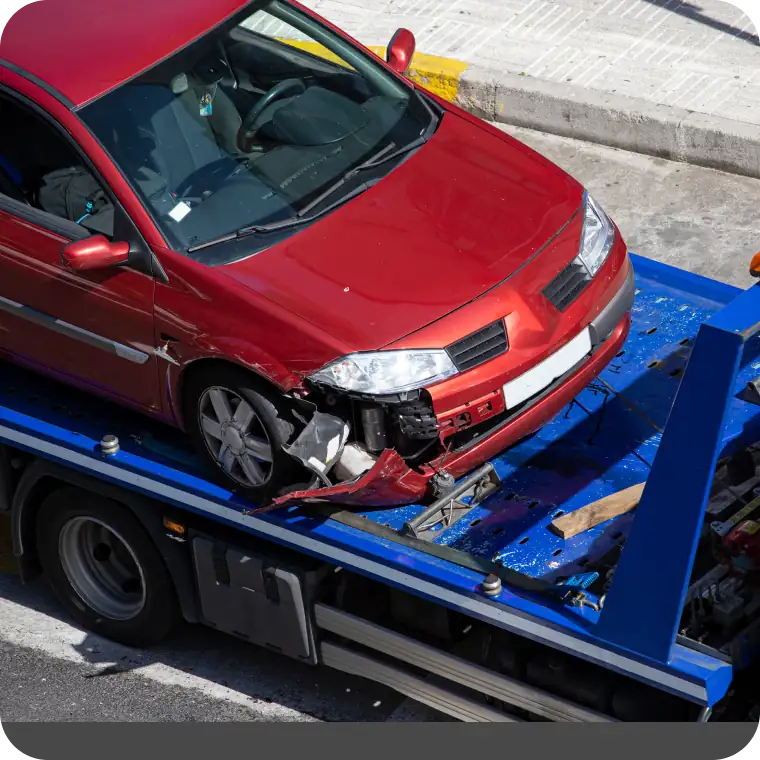
Pickup and Delivery Process
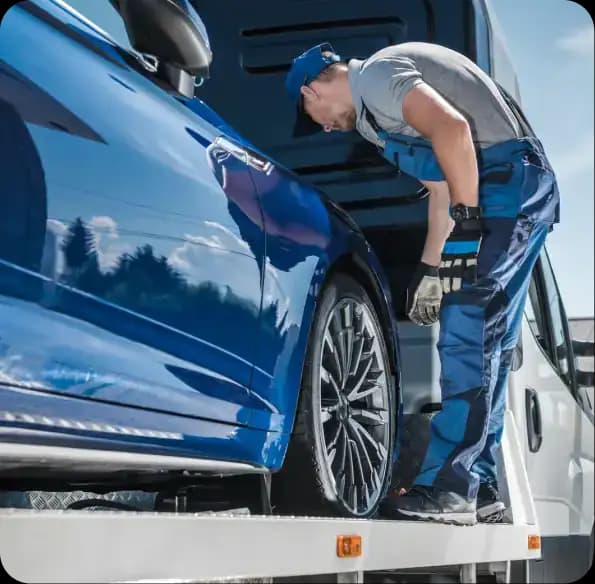
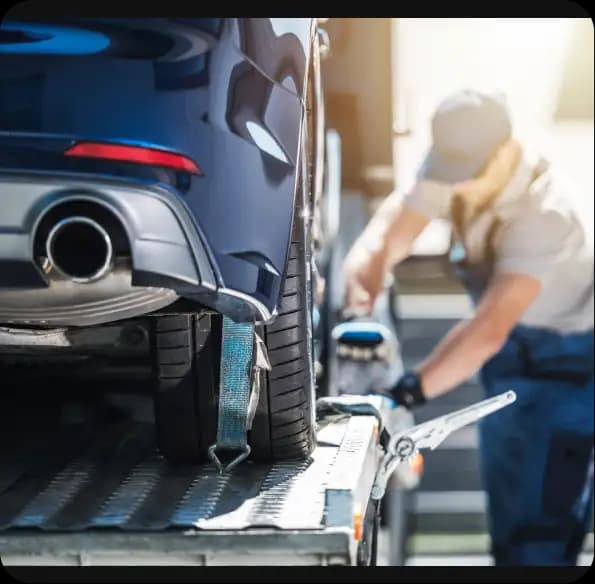
At pickup, the driver assesses the vehicle's condition and confirms the loading method required. The vehicle is then carefully loaded using appropriate equipment and secured for transit to prevent movement during transport.Delivery is coordinated as the shipment approaches the destination. Unloading uses similar equipment to ensure the vehicle is safely placed at the delivery location without additional damage.

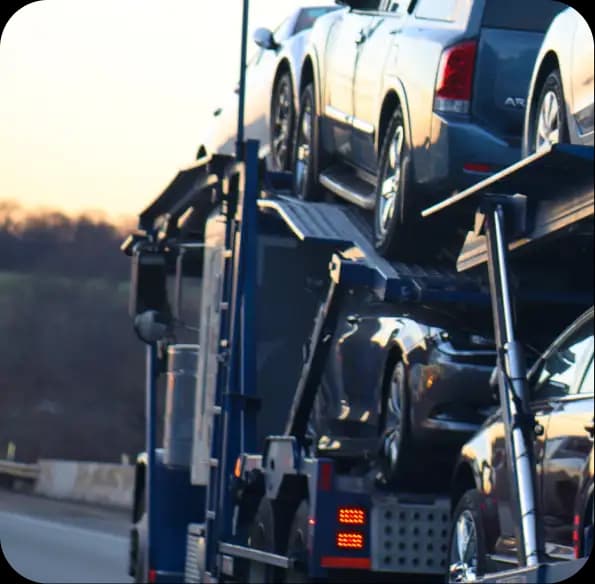

Vehicles Commonly Shipped
as Inoperable
Inoperable vehicle transport supports a wide range of vehicles, including cars with mechanical failures, accident-damaged vehicles, non-starting project cars, and classic vehicles under restoration.Fleet vehicles, repossessions, and auction vehicles are also frequently shipped as inoperable. Oversized or modified vehicles may require additional review to confirm equipment compatibility.
Open vs Enclosed Transport for Inoperable Vehicles
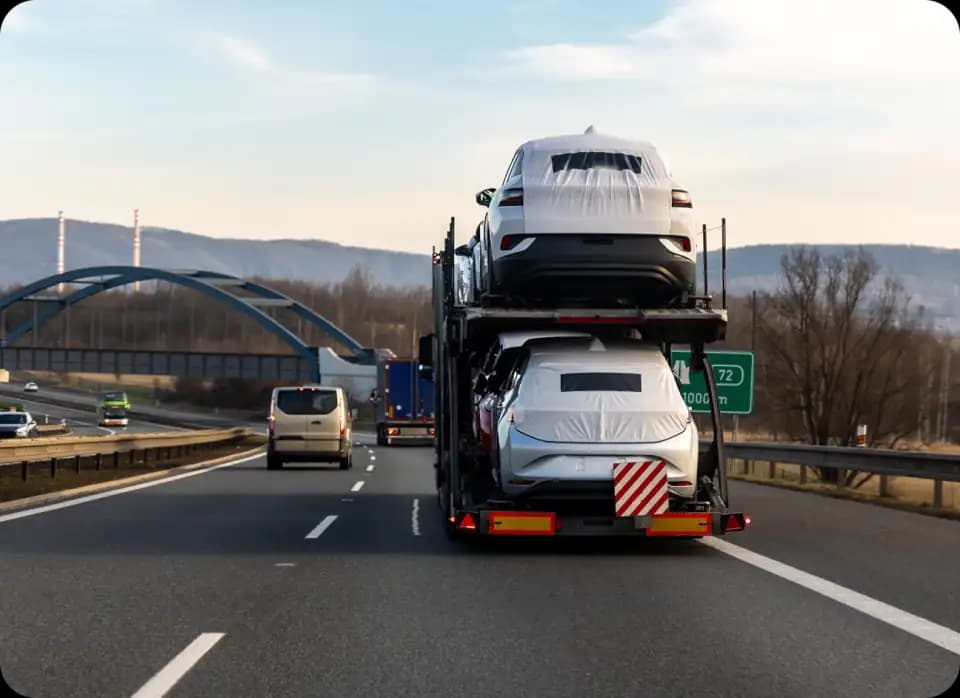
Inoperable vehicles can be transported using open or enclosed carriers depending on the vehicle type and protection needs. Open transport is more commonly used due to wider equipment availability and routing flexibility.Enclosed transport may be selected for classic, specialty, or high-value vehicles that require additional protection during transit. Equipment requirements are evaluated regardless of transport type.
Access Considerations for
Non-Running Vehicles
Pickup and delivery access is especially important for inoperable vehicles. Narrow streets, steep driveways, soft ground, or limited space can affect loading and unloading.Providing clear access details in advance helps determine whether alternate meeting points or special equipment are needed to complete the shipment safely.

What Can Affect Inoperable Vehicle Transport Scheduling
Scheduling for inoperable vehicle transport depends on equipment availability, route demand, and vehicle condition. Carriers with winches or specialized trailers may be less common on certain routes.Seasonal demand, weather conditions, and regional traffic patterns can also influence timing. Flexibility with pickup and delivery windows often improves scheduling efficiency.
Common Planning Mistakes with Inoperable Vehicle Shipping
A common mistake is underestimating the level of inoperability. Failing to disclose issues such as locked wheels or steering problems can lead to delays or rescheduling.Another issue is assuming all carriers are equipped to handle non-running vehicles. Accurate information ensures the correct carrier is assigned from the start.

Inoperable Vehicle Transport for Individuals
Individuals use inoperable vehicle transport for project cars, restoration vehicles, accident-damaged cars, and vehicles being moved to repair shops or storage facilities.This service allows owners to relocate vehicles that cannot be driven without the risks associated with towing or self- transport.

Inoperable Vehicle Transport for Businesses
Businesses rely on inoperable vehicle transport for auctions, repossessions, fleet maintenance, insurance claims, and dealership transfers. Non-running vehicles are often part of regular operational logistics.Reliable coordination and proper equipment assignment help businesses manage these shipments efficiently across locations.

Nationwide Inoperable Vehicle Transport
Coverage
Inoperable vehicle transport is available nationwide, though equipment availability varies by route and region. Major corridors typically offer more options, while remote locations may require additional coordination.Nationwide coverage supports both short-distance and long- distance shipments for non-running vehicles across the United States.
Why Choose Avorix Auto Transport for
Inoperable Shipping
Avorix Auto Transport coordinates inoperable vehicle shipments by matching vehicle condition with appropriate carrier equipment. Each shipment is reviewed individually to support proper planning and realistic scheduling.Clear communication and structured coordination help reduce delays and support safe transport for non-running vehicles.
Inoperable Auto TransportFrequently Asked Questions
What qualifies as an inoperable vehicle?
What qualifies as an inoperable vehicle?
Can accident-damaged vehicles be shipped?
Can accident-damaged vehicles be shipped?
Is inoperable vehicle transport more expensive?
Is inoperable vehicle transport more expensive?
Do I need to disclose vehicle condition in advance?
Do I need to disclose vehicle condition in advance?
Is inoperable transport available nationwide?
Is inoperable transport available nationwide?
Can inoperable vehicles be shipped door-to-door?
Can inoperable vehicles be shipped door-to-door?


Need to ship a non-running vehicle?Get a clear, upfront quote based on your route, vehicle condition, and handling requirements.