

Hawaii Auto Transport
Hawaii auto transport is a specialized service used to ship vehicles between the mainland United States and the Hawaiian Islands. Because Hawaii is not accessible by road, vehicle transport requires a combination of inland trucking, port coordination, and ocean shipping.This service is commonly used for relocations, military moves, vehicle purchases, extended stays, and seasonal travel. Hawaii auto transport focuses on careful planning, documentation accuracy, and coordinated timing to ensure vehicles move smoothly from origin to destination across land and sea.

How Hawaii Auto Transport Works
Hawaii auto transport begins by coordinating vehicle movement on the mainland or within Hawaii. Vehicles located on the mainland are transported to a designated port facility, while vehicles already in Hawaii are delivered to the appropriate outbound port.Once at the port, the vehicle is processed for ocean shipping, including inspection, documentation review, and preparation for vessel loading. After ocean transit, the vehicle arrives at the destination port, where it is released for pickup or further inland transport if needed. The process requires coordination across multiple stages, making communication and planning essential throughout the shipment.

Shipping a Car to Hawaii vs Shipping a
Car from Hawaii
Shipping a car to Hawaii and shipping a car from Hawaii follow similar steps but involve different logistical considerations. When shipping from the mainland to Hawaii, inland transport routes and port selection depend on the vehicle's origin location and proximity to major ports.When shipping from Hawaii to the mainland, port scheduling and vessel availability play a larger role in timing. In both cases, vehicles must meet port requirements and documentation standards before ocean transport can begin. Understanding these differences helps set realistic expectations for scheduling and transit timelines.

When Hawaii Auto Transport Is the
Right Choice
Hawaii auto transport is used when relocating permanently or temporarily, purchasing a vehicle on the mainland, or returning a vehicle from the islands. It is especially common for military personnel, government employees, healthcare professionals, and contractors assigned to Hawaii for extended periods.This service is ideal when maintaining ownership of a familiar vehicle makes more sense than purchasing locally. Shipping allows owners to manage long-distance relocation without giving up vehicles they already own and rely on.

Transport Methods
for Hawaii Car Shipping
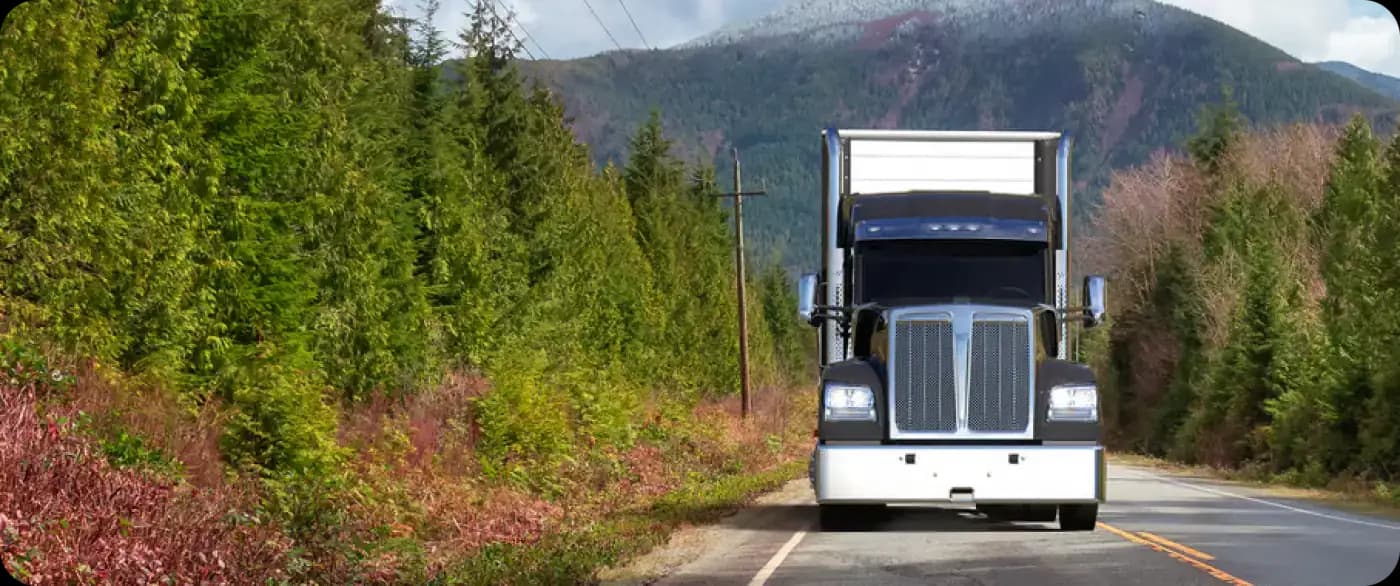
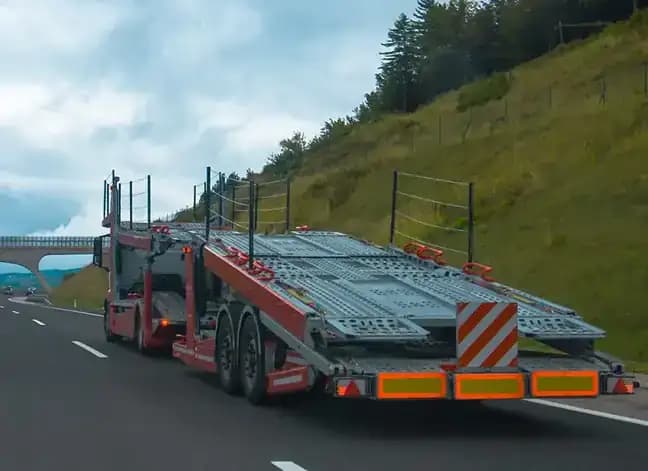
Vehicles shipped to or from Hawaii are transported by ocean vessel after being delivered to a port facility. On the mainland, vehicles may be transported to the port using open or enclosed carriers depending on vehicle type and preference.Ocean transport methods are selected based on vessel availability and vehicle requirements. Vehicles are secured during sea transit to minimize movement. While transport methods affect scheduling and coordination, the overall process follows a structured sequence from inland transport through ocean delivery.
Mainland Port Locations and Routing Considerations
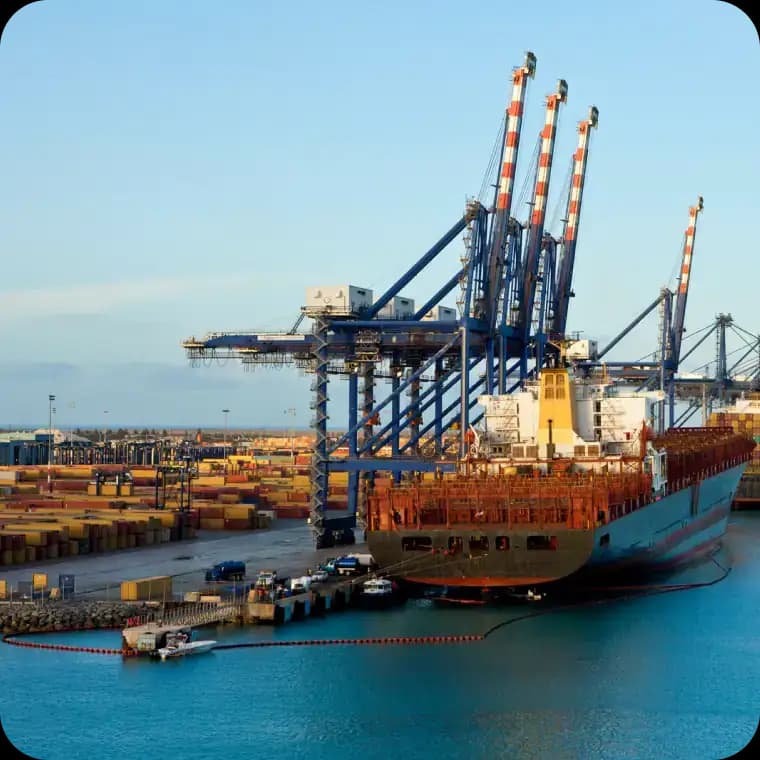
Mainland port selection plays an important role in Hawaii auto transport. Vehicles are typically routed to ports that offer regular vessel service to the Hawaiian Islands. Port choice depends on the vehicle's origin location and available inland transport routes.Routing efficiency helps reduce unnecessary transit time and simplifies coordination. Planning inland transport to the most appropriate port supports smoother scheduling and minimizes delays before ocean shipping begins.
Pricing Factors
for Hawaii Auto Transport
Pricing for Hawaii auto transport is influenced by several factors, including mainland origin or destination, island location, vehicle size, and seasonal demand. Ocean shipping rates, port handling fees, and inland transport distance all contribute to overall cost.Vehicle condition may also affect pricing, as non-running vehicles require additional handling and equipment. Flexibility with timing can impact availability and scheduling efficiency, particularly during peak relocation seasons.
Pickup and Delivery Process
On the mainland, vehicles are picked up near the specified location and delivered to the designated port facility. At the port, the vehicle undergoes inspection and documentation verification before being staged for vessel loading.After ocean transit, vehicles arrive at the destination port in Hawaii or on the mainland. Owners may pick up the vehicle directly at the port or arrange inland delivery where available. Each step is coordinated to support smooth transitions between transport stages.
Vehicle Preparation for Hawaii Auto Transport
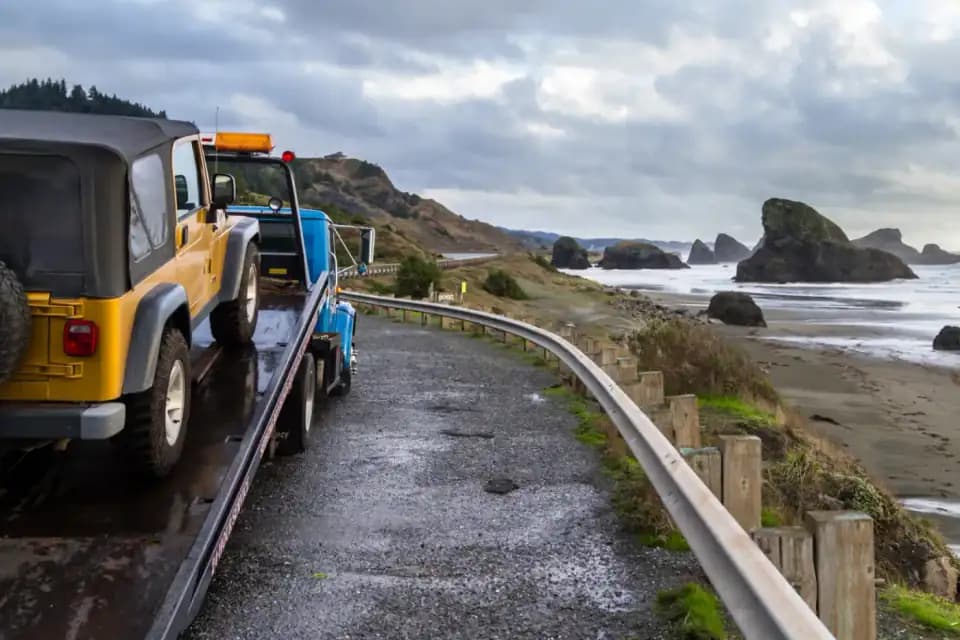
Preparing a vehicle for Hawaii auto transport involves ensuring it meets port and vessel requirements. Vehicles should be clean, free of excessive personal items, and have fuel levels that comply with port guidelines.Existing damage should be documented prior to shipment. Providing accurate vehicle information helps prevent delays during port processing and vessel loading, supporting a smoother overall experience.
Vehicles Commonly Shipped to and from Hawaii
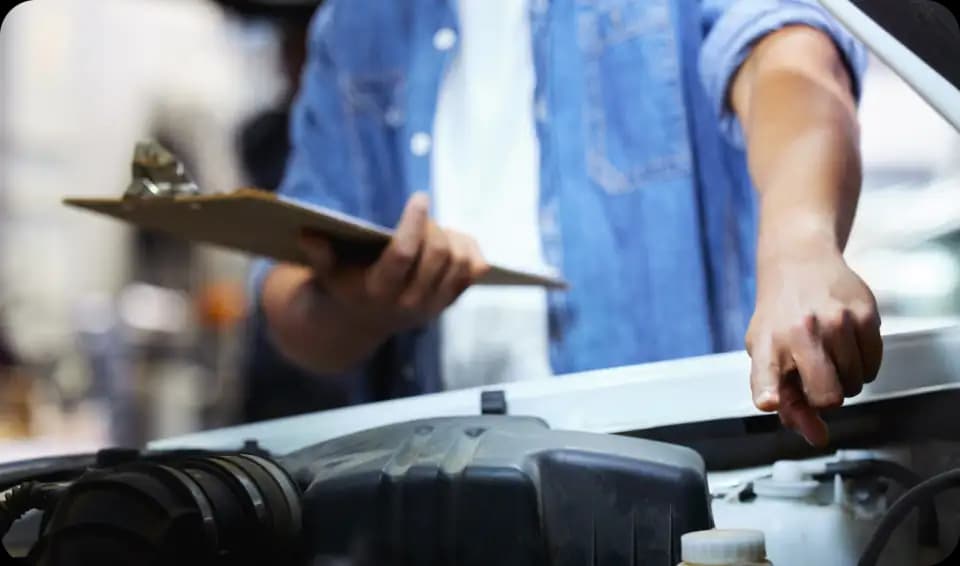
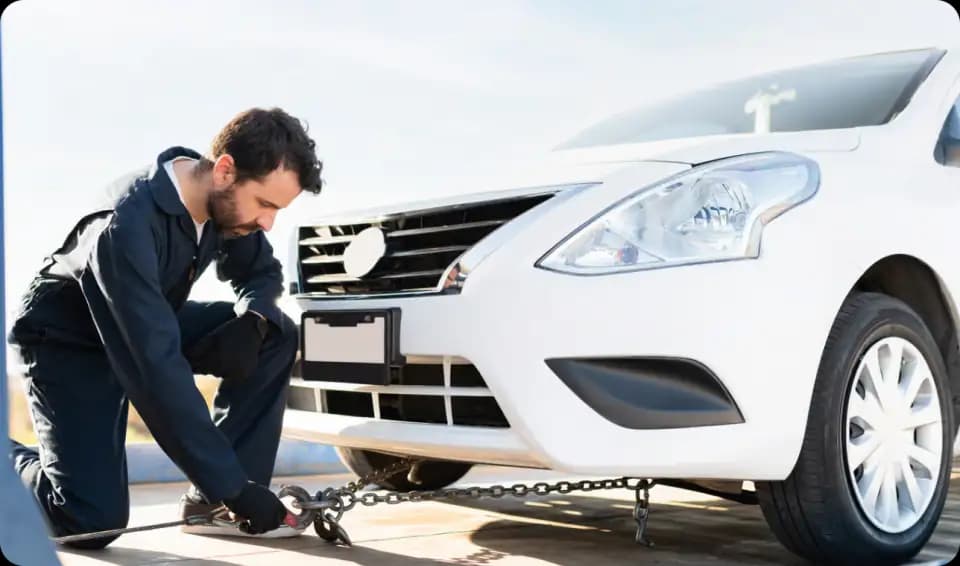
Hawaii auto transport supports a wide range of vehicles, including sedans, SUVs, pickup trucks, motorcycles, and specialty vehicles. Both personal and business-owned vehicles are commonly shipped between the mainland and the islands.Oversized or modified vehicles may require additional planning due to space limitations on vessels. Vehicle dimensions and specifications are reviewed in advance to ensure compatibility with ocean transport requirements.

Transit Time Expectations for Hawaii Auto Transport
Transit time for Hawaii auto transport varies based on origin location, port scheduling, and vessel availability. Mainland transport to the port, ocean transit duration, and destination processing all contribute to total shipping time.Because ocean shipping operates on fixed schedules, flexibility can help improve timing. Setting realistic expectations is important when planning moves that involve shipping a vehicle to or from Hawaii.
Seasonal Demand and Scheduling
Considerations
Seasonal demand affects Hawaii auto transport availability and timing. Military rotations, summer relocations, and winter travel patterns can increase shipment volume during certain periods of the year.Planning in advance and allowing flexible pickup and delivery windows helps improve scheduling options and reduces the risk of delays during high-demand seasons.

Common Planning Mistakes
with Hawaii Auto Transport
A common mistake is underestimating the time required for port processing and ocean transit. Unlike inland shipping, Hawaii auto transport involves fixed vessel schedules that cannot be adjusted easily.Another issue is failing to prepare required documentation or vehicle condition details in advance. Accurate information supports smoother port handling and avoids unnecessary delays.
Hawaii Auto Transport for Individuals
Individuals commonly use Hawaii auto transport for permanent relocations, extended stays, seasonal living arrangements, and vehicle purchases made on the mainland. Shipping a vehicle allows owners to maintain continuity and familiarity during major life transitions.This service reduces the complexity of managing long-distance moves while ensuring vehicles arrive safely at their destination.

Hawaii Auto Transport for Businesses
and Government
Businesses and government entities rely on Hawaii auto transport to move fleet vehicles, service vehicles, and specialized equipment between the mainland and the islands. Consistent coordination and documentation accuracy are essential for these shipments.Structured planning supports repeat shipments and helps organizations manage long-distance vehicle logistics effectively.

Nationwide Coverage for Hawaii Auto Transport
Hawaii auto transport supports vehicle shipments from across the continental United States to the Hawaiian Islands and from Hawaii back to the mainland. Inland transport coverage allows vehicles to be picked up from most locations and routed to the appropriate port.Nationwide coverage ensures flexibility regardless of where the shipment originates or ends.
Why Choose Avorix Auto Transport
for Hawaii Shipping
Avorix Auto Transport coordinates Hawaii auto transport by managing inland transport, port processing, and ocean shipping logistics. Each shipment is reviewed individually to align vehicle requirements with routing, scheduling, and documentation needs.Clear communication and structured coordination help reduce uncertainty throughout the process, supporting consistent execution for vehicles moving between the mainland and Hawaii.
Frequently
Asked Questions
Can I ship any type of vehicle to Hawaii?
Can I ship any type of vehicle to Hawaii?
How long does Hawaii auto transport take?
How long does Hawaii auto transport take?
Do I need to drop off my vehicle at a port?
Do I need to drop off my vehicle at a port?
Can non-running vehicles be shipped to Hawaii?
Can non-running vehicles be shipped to Hawaii?
Is enclosed transport available for mainland delivery to the port?
Is enclosed transport available for mainland delivery to the port?
Can I ship a motorcycle to Hawaii?
Can I ship a motorcycle to Hawaii?


Planning to ship your vehicle to or from Hawaii?Get a clear, upfront quote based on your location, vehicle, and timing.